Labubu dolls, first released in 2019, have become a viral sensation in 2025, with queues forming for blocks outside Pop Mart stores in Australia. Enthusiasts rise as early as 3am to secure restocked merchandise, as the distributor reports a mania gripping the country “like never before”.
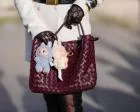
The craze echoes past toy frenzies, such as the Cabbage Patch Kid riots of 1983 and the Beanie Baby bubble of the late 1990s. However, Labubu’s appeal is distinctly adult, with celebrities like Lisa from BlackPink and Rihanna sporting the dolls on luxury handbags, driving media interest.
Created by Hong Kong-born artist Kasing Lung, Labubu is part of his “Monsters” series inspired by Nordic mythology. The dolls blend cute fluffy ears with sharp teeth, often dressed in farmers’ overalls or colourful helmets. Their hybrid aesthetic mirrors a marketing strategy that combines limited supply, blind boxes, and celebrity endorsements.

Pop Mart sells Labubu in “blind boxes”, where buyers do not know which model they will get, adding a lottery element that fuels resale markets. Popular models fetch up to A$300 on eBay, while rare items on Pop Mart’s site reach $1,580. The company also sells accessories, such as tiny plastic shoes for $22.
Design academic Gozde Goncu Berk notes that such trends are embedded in cultural context. Labubu’s popularity reflects a convergence of K-pop/anime aesthetics, collectible culture, and adult consumerism, with men’s fashion magazine GQ highlighting the doll as a luxury handbag accessory.