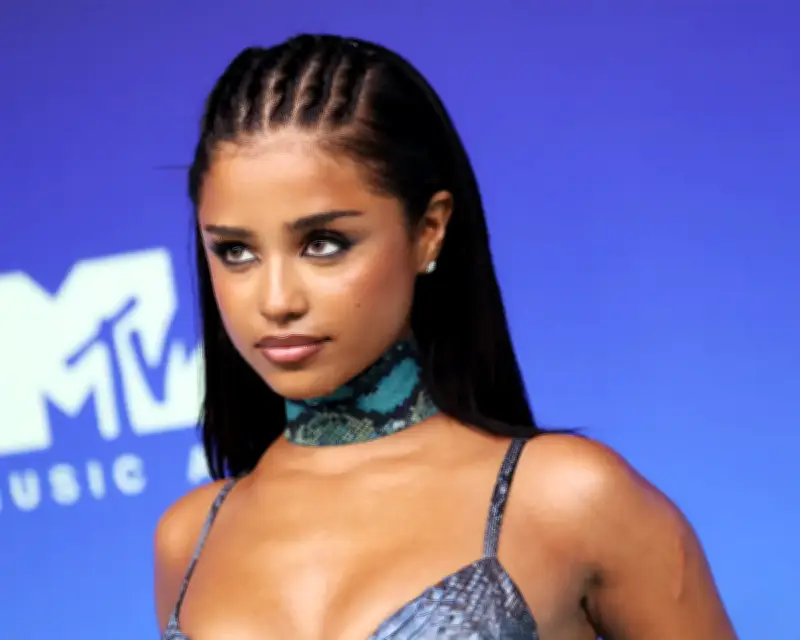
In 2024, South African pop star Tyla won the best Afrobeats award at the MTV Video Music Awards (VMAs). In her acceptance speech, she said the moment was bittersweet, noting that “there’s a tendency to group all African music as Afrobeats,” despite the diversity of the continent’s sounds. She said she represents amapiano, South Africa’s rolling, sensual dance subgenre. Months later, she won again in the Afrobeats category at the American Music Awards.
Artists reject the Afrobeats tag
Tyla is not alone in criticising the label. Tems has described her music as a mix of “Afro, R&B, soul and alternative elements.” Burna Boy prefers to call his sound Afrofusion. Wizkid, Ckay, King Promise, and Davido have also expressed discomfort with the term, yet it persists.
The term Afrobeats emerged in the early 2010s as an umbrella label for contemporary west African dance music, like D’Banj’s “Oliver Twist.” London-based DJ Abrantee, per reporting in the Guardian, added an “s” to Fela Kuti’s Afrobeat to create a catch-all for radio and streaming. As African music has grown globally—with hits like Tyla’s “Water,” Rema’s “Calm Down,” and Moliy’s “Shake It to the Max”—Afrobeats has become the default label for all African pop, dance, rap, R&B, gospel, highlife, and much of the continent’s alternative scenes.
The impact on distinct genres
Grammy-winning Nigerian producer and singer Bloody Civilian, who tours with Tyla in October, calls the label “deeply limiting” and finds it “confusing that westerners continue to box the numerous ways Africans experiment with sound.” West African music, which has the largest number of artists labelled as Afrobeats, has felt the effects most. New genres are often treated as fodder for the larger Afrobeats machine.
One example is Mr Eazi’s “banku music,” a sound blending Nigerian pop and Ghanaian highlife. It gained continental fame in 2015, with a laid-back tempo and a distinctive four-stroke kick-drum pattern. Artists like Runtown and Tekno adopted its style, and university students embraced Mr Eazi’s straw hat and dashiki look. But banku music was not marketed to the west or contextualised locally, so it faded. Other genres like azonto, zanku, cruise, and afropiano have faced similar fates.
Culture journalist Tiléwa Kazeem says international publications often find these new genres “esoteric,” and Afrobeats “has not just obscured other genres but also affected their documentation.” The Afrobeats category was dropped from the MTV VMAs this year, leaving no African music category at all. Kazeem adds that west African publications also hesitate to document new genres.
Building a future for new sounds
New styles like afro adura and mara—a fusion of street pop and electronic music—continue to emerge. Dolapo Amusat, founder of Nigerian music network WeTalkSound, says for these to take hold, “there has to be enough documentation, enough lore, enough intentionality around them.” He cites mara as an example of what can happen when people build substantial identities for a sound.
Culture writer Dennis Ade Peter notes a paradox: “Afrobeats artists and stakeholders routinely rail against the term, but still market their music as Afrobeats and validate awards and events where their music is described as such.” As bell hooks wrote in Art on My Mind, Black people “must be held accountable when we do not make needed critical interventions.”
Just as stalwarts like Fela Kuti and King Sunny Adé were allowed to float new genres, a new generation of artists—who have proven themselves charismatic and musically adept—must be given the same opportunity.