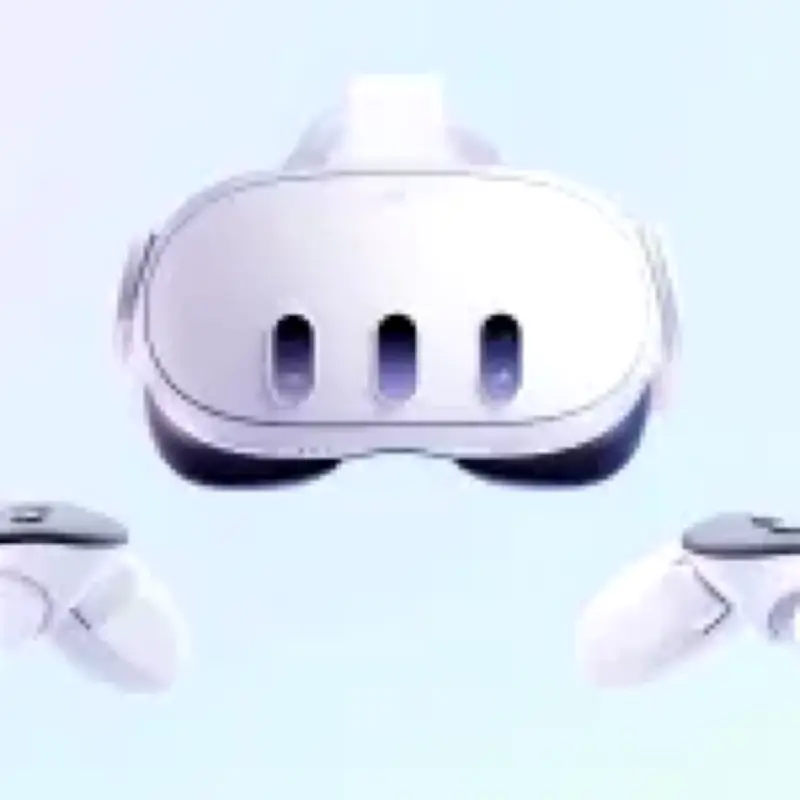
A reader explains his love for VR and his sadness at the fact that Meta’s attempts to make its headsets a mainstream hit have failed. He prioritised a Meta Quest 3 over a Switch 2 and later bought a second Quest 3, arguing that the headsets have a finite lifespan and that all his games are installed and accessible offline.
A lifelong gamer’s perspective on VR
The reader, who has been gaming since the 2-bit era, recalls how technical achievements used to be measured by ‘bit’ counts, with clear differences between 8, 16, 32, 64, and 128-bit. After that, he says, things seemed to plateau and became a matter of refining the art, with little ‘wow’ factor from the PlayStation 3/Xbox 360 generation onwards.
His first VR experience was on PlayStation 4, starting with Moss: Book 1, then the Star Wars: Battlefront demo and Resident Evil 7. He describes this as “the true next level” and says he was sold on VR from that point.
Why he bought a second Quest 3
He now owns a Meta Quest 3, which he prioritised over a Switch 2, and says he does not regret that at all, noting that the original Switch is “just fine for now.” When the time came to buy a Switch 2, he instead bought a second Quest 3.
His reasoning is that a headset has a finite lifespan depending on how it is used and will eventually need to be replaced. He also notes that Meta, after pumping around $80+ billion into its VR infrastructure, realised the tech was not adopted en masse and pulled the plug, with many top-end game studios and associated studios shuttered.
The state of VR after Meta’s retreat
He calls the decline in the quality of available games since then “steep” but says there are still some great games for those who know where to look. The second headset ensures he has all his games installed and stored, with no need to be online to access them.
He says he is grateful to have lived long enough to see VR become a thing, having watched the fledgling tech in the early ‘90s. He is deflated that Meta’s last push failed to capture a mainstream audience and does not see the concept ever having such a monetarily subsidised drive to make it affordable again, leaving it a niche in the market.
As an example of VR’s immersion, he describes a scenario from Assassin’s Creed: Nexus, where the player hides in a bush in enemy territory and can gauge the proximity of nearby guards through surrounding sound, without checking a map, by physically looking around. He concludes: “It’s all about the immersion and I’m so happy I got to be immersed and will be for some time to come.”