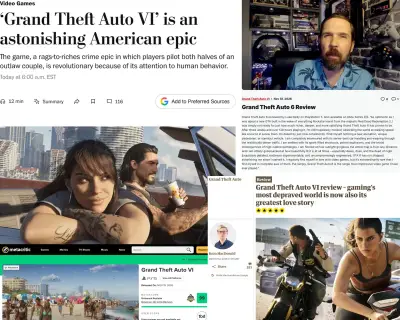
The release of Grand Theft Auto VI has reignited a debate about the impact of violent video games on young people, with campaigners and parents questioning why society condemns violence against women and online grooming while simultaneously celebrating a franchise that features such elements.
The game, launched last week, has drawn criticism for its portrayal of female characters and its potential influence on younger audiences, despite being designed for adults. Parents across the country have expressed concerns about the game's content, which includes violence, harassment, and inappropriate conversations, particularly in multiplayer modes.
Marketing Genius vs. Social Responsibility
The marketing campaign for GTA VI has been described as astonishing, with the game appearing on billboards, social media, publications, and television. However, the article argues that this commercial success does not negate the potential social harms, including sexism, safeguarding issues, and unhealthy behaviours.
The piece draws a distinction between harmless games like football simulations and GTA VI, where players may engage in criminal activities. It emphasizes that being concerned about such content is responsible parenting, not curmudgeonly behaviour.
Political and Public Figures Weigh In
Tory leader Kemi Badenoch recently commented that she played violent games like Mortal Kombat and Street Fighter as a child without becoming violent. The article counters this argument, comparing it to justifying physical punishment by claiming personal resilience, which ignores the trauma suffered by others.
The piece stresses that two things can be true: appreciating the game's marketing genius while remaining mindful of its effects. It notes that GTA VI is not likely to turn children into criminals, but it should not be ignored that an adult-designed product carries risks for young people.
Parental Concerns Backed by Research
Recent Ofcom research, published last month, found that 64% of parents are concerned about children talking to strangers online, either through gameplay or influence. Around 60% worry about bullying, 59% about inappropriate content including violence, and 51% about pressure on young people to make in-game purchases.
The article concludes that despite GTA's widespread appeal and marketing impact, it points children in a dangerous direction, undermining efforts to highlight social dangers. It calls for treating the consequences of such games as part of the conversation, not a separate issue, while avoiding the demonisation of gaming as a whole.