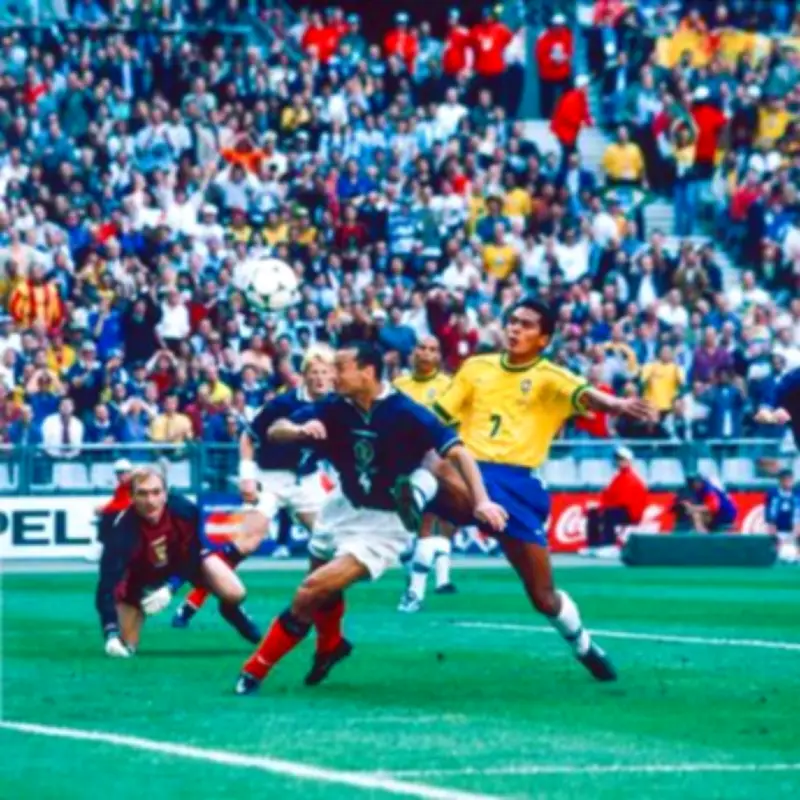
When Scotland step onto the pitch for their opening World Cup match against Haiti, it will mark the end of a 28-year wait that many supporters feared would never end. The last time Scotland appeared at a men's World Cup was in France in 1998.
A World Transformed
Back then, Craig Brown's side kicked off the tournament against defending champions Brazil in Paris, while supporters back home watched on through a world that now feels almost unrecognisable. The length of Scotland's absence from the World Cup is best measured not in years, but in how much the world has changed since then.
Political Landscape
When Scotland were last at a World Cup, the Scottish Parliament did not exist, devolution was still a year away and Donald Dewar had yet to become Scotland's first First Minister. Tony Blair was still in the early stages of his years as Prime Minister after Labour's landslide election victory, while Bill Clinton was the president in office at the White House in the United States.
Technological Revolution
While the internet had been around for years, it was nowhere near as used as it is today. There was no Google, no Facebook, no YouTube, no Instagram, no TikTok and certainly no smartphones. If supporters wanted to check scores from another match, they turned to Ceefax or Teletext rather than opening an app. If they wanted to call a friend while out and about to discuss the game, they likely needed to find a phone box and made sure they weren't too drunk to forget the number they wanted to call.
Social Changes
Many Scotland fans watched matches in pubs where smoking indoors was still perfectly legal. In fact it would be nearly another eight years before Scotland introduced a ban on smoking in enclosed public spaces. The cost of everyday life was extremely different too. A pint of beer cost an average of £1.89 while the average Scottish house price was just £46,682, as well as a Freddo chocolate bar costing just 10p - they can now cost up to 45p.
Pop Culture of the Late 90s
In pop culture, the late 90s were in full swing, with B*Witched's C'est La Vie topping the charts and Cher's Believe going on to become the UK's biggest selling single of the year. Meanwhile movie fans flocked to the cinema to see films such as The Wedding Singer, Saving Private Ryan and Shakespeare in Love. Television lovers were about to discover a brand new quiz show called Who Wants To Be A Millionaire? which was hosted by Chris Tarrant and debuted in September 1998 on ITV.
Football Then and Now
In football, Celtic had just stopped Rangers from winning a tenth consecutive league title, with Henrik Larsson emerging as one of the game's biggest stars at the time. Scotland still felt like a nation that belonged regularly in international tournaments and nobody could have imagined what would follow. When Morocco beat Scotland 3-0 to end hopes of reaching the knockout stages, the disappointment was real. However, there was no sense that it would become the start of a World Cup drought stretching almost three decades.
A Generation Without World Cup Football
Year after year Scotland failed to qualify for the World Cup, with the tournament coming and going in South Korea and Japan, Germany, South Africa, Brazil, Russia and Qatar. Entire generations of supporters grew up without ever seeing the men's national team at the tournament. It has been so long that some of the players representing Scotland at this year's World Cup were not even born when that final whistle blew in France.
A lot has changed since 1998, governments have come and gone, technology has transformed daily life and an entire generation has grown up without seeing Scotland at a World Cup. For younger fans, World Cup stories were told by parents and grandparents and seemed to be way out of reach for new generations to ever experience the atmosphere themselves - until now.