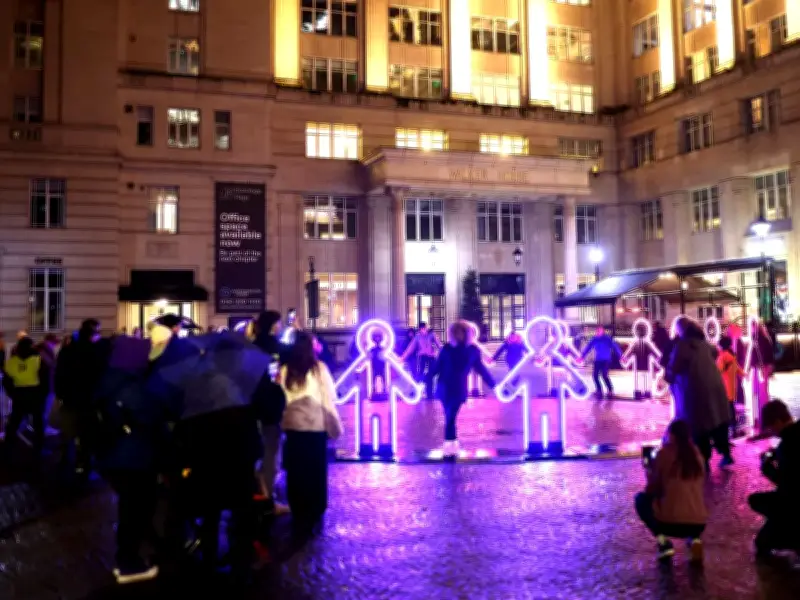
River of Light, Liverpool's free light art festival, will return from Friday, October 23 until Thursday, November 1, with changes to help manage crowds. The festival, delivered by Culture Liverpool, will expand into new locations across the city and reintroduce quiet hours for visitors with additional needs.
New Locations and Installations
The theme for this year's festival is 'Together', with all installations focusing on how light brings people closer in a joyful way. Eleven installations have been revealed ahead of the 2026 edition, including POP! by Gentilhomme, Dream Herd by Amigo and Amigo, and Loop by Olivier Girourd and Jonathan Villeneuve.
Culture Liverpool has partnered with Liverpool Accommodation BID to ensure artworks are not just on the waterfront. New locations include Williamson Square and St Paul's Square.
Quiet Hours for Accessibility
To allow everyone to enjoy the event, including those with additional needs, quiet hours will take place on Wednesday, October 28 and Sunday, November 1 from 4pm to 5pm.
Cllr Harry Doyle, Liverpool City Council's cabinet member for health, wellbeing and culture, said: "As summer comes to an end, we're looking forward to the return of River of Light this autumn. Excitement is already building for the joy and colour it brings to the streets of Liverpool each October half term, and I am proud that Culture Liverpool continues to stage something so ambitious that is free, accessible, and enjoyable for residents and visitors of all ages."
Economic Impact on City Centre
Annie Brown, chair of the Liverpool Business Improvement District, said: "River of Light is exactly the kind of event that makes Liverpool such a great place to visit, and it has a really important role to play in supporting our city centre economy. It brings significant footfall into the city at a time when we want to encourage people to visit, stay longer and experience everything Liverpool has to offer."
"For our accommodation businesses, events like this are a fantastic opportunity to drive overnight stays, giving visitors another reason to book a hotel, extend their trip and spend more time in the city. That increased footfall also benefits restaurants, bars, shops, and attractions, creating a positive ripple effect across the wider city centre."