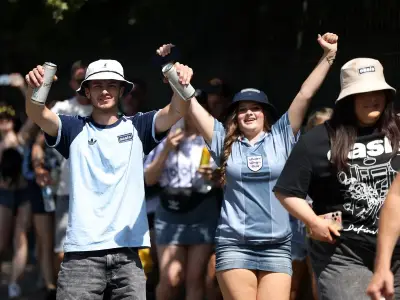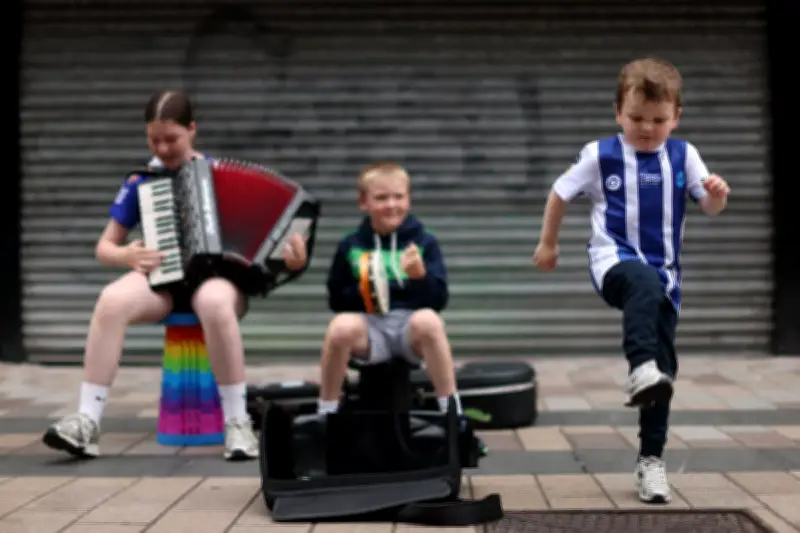
The first Fleadh Cheoil na hÉireann in Belfast has brought a 95% surge in footfall to the Northern Ireland capital, with an estimated 170,000 visitors on Sunday alone.
The world's largest celebration of Irish music and culture officially opened on Sunday in the city centre, featuring more than 200 events and 180 traditional music competitions at venues, pubs, and streets. The festival runs until Sunday, August 9.
Record Visitor Numbers
Belfast One Business Improvement District (BID) cameras recorded 176,462 people in the city centre on Sunday, up 95% from the same day last year. Monday saw 165,077 visitors, a 75% increase year-on-year and a 126.3% rise on the previous week's figures.
Visit Belfast chief executive Gerry Lennon said the impact is about "more than just numbers", describing a "truly historic event".
"Sunday, Monday and Today (Tuesday) have been phenomenal. Belfast One have told us that on Sunday the city centre had about 170,000 visitors and on Monday there were 165,000, so we're confident that as the week builds towards the pinnacle of Friday, Saturday and Sunday the estimated figure of 800,000 will be exceeded," he said.
Cultural Diversity and Economic Impact
Events on the Gig Rig main stage at City Hall on Tuesday included Irish dancing and musical acts, with a later collaboration between Macalla, an eight-piece ensemble featuring artists from the Northwest Folk Collective in Londonderry, and the Mshakht Collective from Iraq, blending bouzouki and uilleann pipes with qanun, oud, and local percussion.
Stormont Economy Minister Caoimhe Archibald said the Fleadh is projected to bring a £53 million economic boost to the city.
Belfast One BID chief executive Martina Connolly hailed the figures.
"These figures are fantastic to see and are a real reflection of the excitement surrounding this year's event," she said.
"It's been wonderful to be part of the opening days and to see so many people enjoying our city centre and the vibrant, welcoming atmosphere we strive so hard to deliver."
This year marks the first time the festival has been held in Belfast and only the second time in Northern Ireland, after being hosted in Londonderry in 2013. The 2026 event has been billed as one of the most culturally diverse in its history, with cross-community participation and a celebration of traditions from across Northern Ireland and beyond.