The concept of 'barbecue plus one' comes from an Australian friend, offering a solution to feeding many people with minimal effort and cleanup. The idea: one item on the barbecue (sausages, chicken, cheese slices, kebabs, or vegetables) plus one enormous bowl of something else. This approach was born after a chaotic afternoon when her children were young, where she made many dishes and compromises but still failed to please everyone. While cleaning up, she decided that next time it would be one or two things on the barbecue plus the biggest bowl in the house filled with one substantial dish. To be precise, it should be 'barbecue plus one', plus pitta bread, so guests can stuff the grilled item and the bowl 'thing' into a pitta pouch, avoiding the need for plates, plus sauces in squeezy bottles.
Suggestions for the 'Plus One' Bowl
Her list of suggestions includes jollof rice, roasted aubergine with tahini dressing, coleslaw, Greek salad, tabbouleh, ratatouille, and caponata. Nigerian chef Aji Akokomi offers a version of jollof rice with basmati rice, curry, thyme, ginger, red peppers, and fish sauce, featuring a crispy, toasty layer on the bottom of the pot. Akokomi notes that jollof rice's sweet, umami, and spicy combination pairs well with marinated lamb, barbecued carrots, and halloumi. Kate Young developed a jollof rice recipe after reading about it in Chimamanda Ngozi Adichie's novel Americanah.
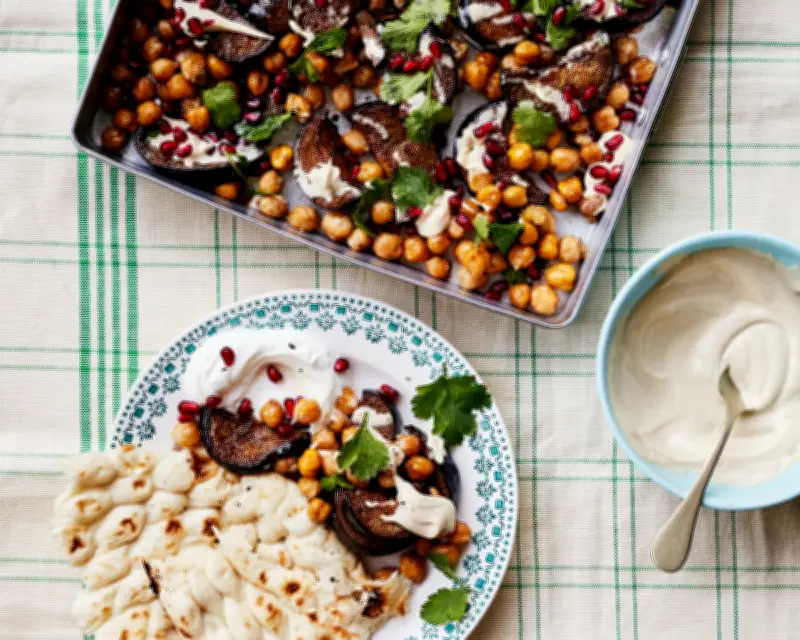
Another suggestion is Claudia Roden's batinjan bil rumman wal laban: grilled aubergine on a base of yoghurt and tahini with pomegranate seeds. Rukmini Iyer offers a quick version with roast aubergines, chickpeas, and pomegranate traybake. For coleslaw, Felicity Cloake has many thoughts. Greek salad works well with tasty cucumbers, great tomatoes, and meaty olives. Nigel Slater's recipe is classic, while David Carter's version includes galomizithra, a soft sheep-and-goat's-milk cheese from Crete, and carob rusks for crunch.
Tabbouleh is often seen as bulgur with herb specks, but in Lebanon it is a mass of green with specks of bulgur. At Moro restaurant, Sam and Samantha Clark offer a middle-ground version with finely chopped parsley, soaked bulgur, tomatoes, mint, and onion, seasoned with olive oil, lemon juice, salt, and pepper. Chef Joudie Kalla, whose family is from Palestine, makes tabbouleh with maftoul (large-grain couscous), dried mint, pomegranate molasses, and chilli flakes.
Ratatouille is another favorite. Felicity Cloake combines aspects from Raymond Blanc, Gui Gedda, Marie-Pierre Moine, and Thomas Keller for her perfect version. Nigel Slater's classic recipe and Adam Byatt's confit byaldi variation, where sliced vegetables are arranged in a fallen-domino spiral, are also options. Caponata combines ratatouille with sweet and sour elements typical of Italian cuisine. The Anna Tasca Lanza cooking school recipe uses celery, a little tomato, and separately fried aubergine. Jacob Kenedy notes that caponata is a generic term like soup, offering a template with possible additions such as red peppers, ginger, courgettes, chilli flakes, artichoke, raisins, green olives, flaked almonds, pine nuts, dark chocolate, and herbs. Meera Sodha's oven-baked caponata is an ideal plus one.