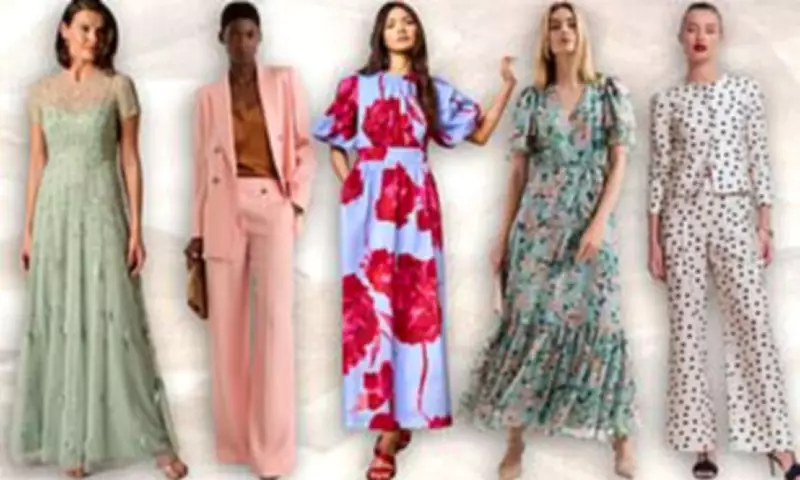
Deciphering wedding dress codes can often feel like solving a complex puzzle. From black tie and formal to semi-formal, cocktail, and casual, knowing where to begin is not always straightforward. According to Tracy Mudd, a wedding expert at The Wedding Travel Company, one of the most common mistakes is taking the dress code too literally without considering the location. She notes this is particularly common among older guests.
Key Considerations for Guests Over 50
For those over 50, the focus should be on choosing outfits that feel stylish, comfortable, and appropriate for the setting. Breathable fabrics, good tailoring, and practical footwear can make all the difference, especially at destination weddings. Tracy emphasizes that dress codes are a guide, but comfort plays a key role in enjoying the day.
As we move into spring and summer, heavy fabrics and structured silhouettes can quickly become uncomfortable, particularly in humid conditions. Footwear can also prove tricky, especially at outdoor venues or on cobbled streets. One key rule to keep in mind is that while lighter shades can work beautifully in warmer climates, white is generally best avoided unless the couple has stated otherwise. Tracy adds, "A simple rule is to steer clear of anything that could be mistaken for bridal or part of the wedding party."

Breaking Down Popular Dress Codes
Black Tie
Black tie is the most formal dress code, calling for floor-length gowns and tuxedos. Think bold colours, embellishment, and red carpet-worthy glamour. However, it is important to avoid anything too revealing and to consider fabric choices. Tracy explains, "Where people get it wrong, especially abroad, is choosing heavy or restrictive outfits. Lighter fabrics and more breathable styles usually work better while still keeping the look formal."
Formal Attire
Formal attire typically suggests a full-length or midi dress, or a smart suit. The challenge, according to Tracy, lies in finding something that looks elegant while still working for the setting. "It is about balancing style with comfort, particularly for long days or warmer weather," she says. This is also a great opportunity to experiment with silhouettes. Plunging necklines and open backs can work well for weddings in grand hotels or restaurants, while a more modest approach is better suited to church settings.
Cocktail Dress Code
Slightly more relaxed than formal, cocktail dress codes allow for shorter dresses or lighter tailoring, but the look should still feel polished and occasion-ready. "The main mistake is going too casual," Tracy notes. Strappy necklines, prints, and embellishment are all welcome. If your outfit feels appropriate for evening drinks, you are on the right track.
Semi-Formal Attire
Often seen at civil ceremonies or reception-only invites, semi-formal offers more flexibility, which can sometimes lead to confusion. "It can easily drift into everyday wear if you are not careful, so paying close attention to where the wedding is held is important here. It is best to avoid overly casual pieces, like linen, and instead opt for something that still feels occasion-ready, just less structured." These events tend to be more relaxed, so overly elaborate or evening-style outfits can feel out of place. Simpler options, such as slip dresses or jumpsuits, work particularly well.
Smart Casual
According to Tracy, smart casual is one of the most misunderstood dress codes. "People often lean too casual with pieces like jeans or overly relaxed outfits. It is better to think of it as relaxed but still put-together," she explains. For warmer weather, poplin sundresses and co-ords are ideal. Finish the look with smart flat shoes—trainers are best avoided.