The Rise of Mid-Length Hair: Spring's Defining Trend
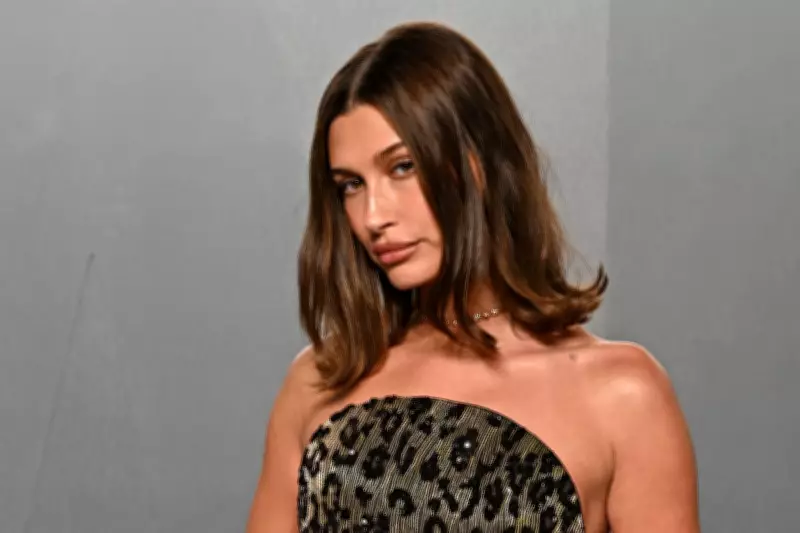
While hair fashion has historically vacillated between the sharp precision of the French bob and the flowing freedom of bohemian waves, the versatile mid-length style has often lingered in the background. This spring, however, salon reports indicate a dramatic transformation, with this in-between cut finally claiming the spotlight. Defined as hair that falls between the collarbone and chest, the mid-length style is proving to be the perfect fusion of practicality and high fashion, aligning seamlessly with modern aesthetic preferences.
Celebrity Endorsement and the Philosophy of Effortless Beauty
Celebrity hairstylist Jason Collier, whose illustrious client roster includes Victoria Beckham and Eva Longoria, identifies a clear cultural shift. “There’s a real movement towards effortless beauty,” he elaborates. “Mid-length cuts deliver precisely that. They offer sufficient length to retain a feminine, versatile feel, yet are short enough to maintain a fresh, contemporary appearance.” This delicate equilibrium between ease and sophistication lies at the heart of its surging popularity.
Edward James, founder of Edward James salons and a stylist to celebrities and royalty, echoes this sentiment. "Clients are seeking hair that exudes a luxurious, expensive look while remaining compatible with demanding daily routines—be it the gym, the workplace, or weekend activities," he observes. "You achieve beautiful movement and a healthier overall look without the extensive maintenance required by very long hair."

The Definitive Cuts for the Season
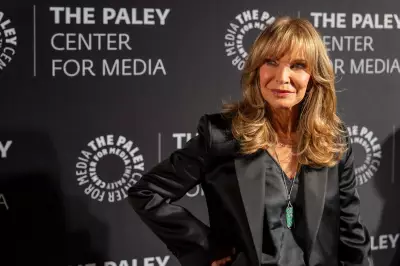
Although the term “mid-length” may seem broad, several key silhouettes have emerged as the definitive styles for this season. The classic blunt cut, often called a lob, remains a foundational choice. “It provides that clean, polished, and expensive finish,” notes Collier. Concurrently, there is a pronounced trend towards softer, more organic shapes.
“We are witnessing a rise in lived-in, effortless shapes,” Collier explains, “characterized by invisible layers, feathered ends, and slightly undone textures. The focus has shifted away from rigid structure towards a more natural flow.”
James concurs, highlighting two predominant trends currently dominating salon requests. The first is a sharp, one-length blunt cut that preserves thick, healthy-looking ends. The second is a contemporary reinterpretation of Nineties layering—inspired by the iconic 'Rachel' cut from Friends but thoughtfully updated for today.
“It’s a softer iteration, with subtle face-framing layers at the front and lighter, more delicate layering throughout the rest of the hair,” James describes. “This technique imparts shape and dynamic movement without compromising the thickness of the ends.”
Mastering the Art of Understated Styling
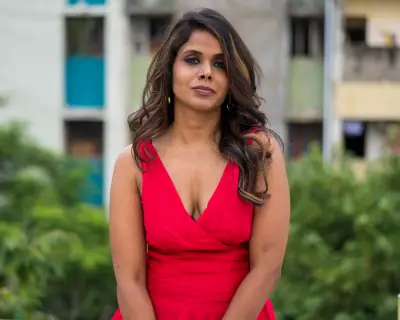
When styling mid-length hair, the cardinal rule is to avoid over-manipulation, which can risk a dated, retro appearance. “Excessive styling can make the look feel antiquated,” warns Collier. “The current ethos is about enhancing your natural texture—whether that manifests as a soft bend, a loose wave, or even an air-dried finish.”
This philosophy aligns with the boho-chic movement, prioritizing a relaxed, organic feel over perfectly uniform curls or ultra-sleek blow-dries. The goal is to break up waves, leave ends slightly textured, and maintain an overall soft, touchable finish.
James characterizes it as “touchable hair” that avoids stiffness. “Creating a soft bend through the mid-lengths using curling tongs or straighteners is highly effective,” he advises, “but the result should feel innate rather than heavily manufactured.”
He emphasizes that “condition is the ultimate factor in making mid-length hair appear expensive,” recommending glossing treatments or lightweight smoothing products to boost shine and finish without adding weight.

Versatility Across All Hair Types
A primary attraction of the mid-length cut is its remarkable adaptability. According to both James and Collier, it can be tailored to suit nearly every hair type, though the specific cut must be customized accordingly.
- For finer hair: The experts advise keeping the ends blunt. “This creates an optical illusion of thickness,” Collier states, cautioning that excessive layering can make fine hair appear sparse.
- For thicker or coarser hair: The approach is inverted. “Internal layering is essential to remove bulk,” Collier explains, preventing the shape from becoming heavy or triangular.
- For curly and textured hair: Mid-length styles are exceptionally flattering when executed correctly. “It is crucial to work in harmony with the natural curl pattern, not against it,” Collier asserts. James adds that for thicker textures, shaping should ideally be performed on dry hair, allowing the stylist to observe how the curls naturally fall.
The Transformative Power of Fringes and Layers
Subtle details, particularly fringes and face-framing layers, can entirely redefine a mid-length cut. “Face-framing layers significantly influence how a mid-length style sits and feels,” says James. “Softer layers around the front open up the face and impart a modern, current vibe, while maintaining stronger, fuller lengths at the back preserves a sense of density and health.”
The decision to layer depends largely on hair density and personal styling habits. “If the hair is fine, a more conservative approach is wise. With thicker hair, you have greater liberty to introduce movement without sacrificing the overall shape,” James advises.
Fringes offer another dimension of customization. “A curtain fringe delivers a relaxed, effortless aesthetic, whereas a blunt fringe introduces more structure and definition,” Collier notes. He summarizes: “For movement and lightness, strategic layering is key. For a sleek, full-bodied look, a more uniform, one-length approach often yields the best results.”
The Golden Rule: Less is More
Both styling authorities unanimously agree that the greatest pitfall with mid-length hair is overcomplication. “Excessive heat styling, product application, or imposed structure can result in a stiff, unnatural appearance,” Collier cautions.
James identifies over-layering as another frequent error. “It can render the ends thin and wispy, undermining that strong, luxurious finish you’re aiming for.”
Instead, the emphasis should be on allowing the cut itself to perform. “Opt for lightweight products, avoid over-curling, and embrace a natural finish,” Collier concludes. “Mid-length hair truly shines when it feels and looks effortlessly beautiful.”