Daily Mail journalists carefully select and curate the products featured on our site. If you make a purchase via links on this page, we will earn a commission. As a wedding guest, your outfit represents more than just clothing—it reflects the significance of the occasion and honors the couple's special day.
Navigating Modern Wedding Dress Codes
With contemporary dress codes spanning from traditional black tie to smart casual, striking the right balance between stylish and appropriate can be surprisingly complex. The Daily Mail consulted expert Josh Isles from The Wedding Travel Company for insights into how men can look sharp and feel comfortable in any setting.
He explains: "Men's wedding dress codes appear straightforward on paper, but they're easily misinterpreted... particularly when the venue changes from a conventional church ceremony to a destination wedding."

Many individuals default to wearing the same suit repeatedly, either retrieving a worn office suit from the wardrobe or underdressing in jeans and trainers. The location, season, time of day, and formality of the couple's wedding plans all significantly influence appropriate attire.
From comprehending dress codes to perfecting finishing details, this comprehensive guide ensures you arrive confident, well-dressed, and prepared to celebrate in style.
Black Tie: The Gold Standard of Formality
Black tie remains the pinnacle of formal dressing, demanding a polished and refined appearance. A classic black tuxedo combined with a crisp white shirt, silk bow tie, and glossy dress shoes creates an enduring look.
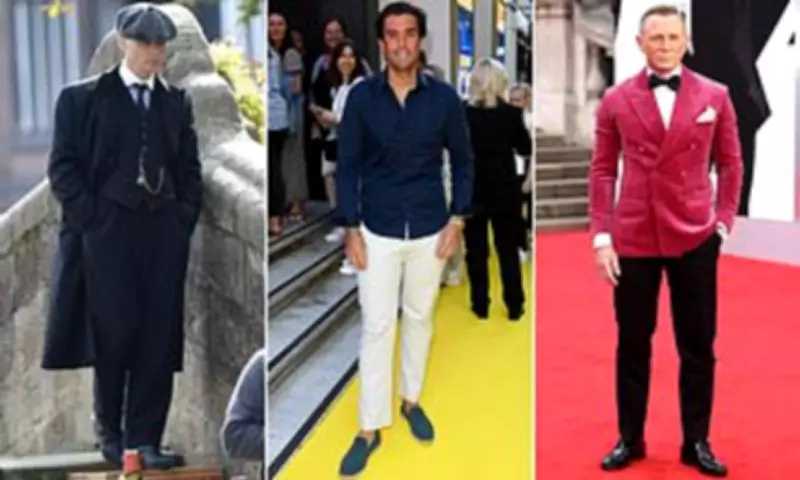
According to Josh, the primary mistake involves excessive personality accessories. "Novelty bow ties, garish waistcoats, or luxury flashy trainers immediately cheapen the appearance," he clarifies. "Velvet works excellently for winter, but wearing it to a summer wedding likely causes discomfort. A classic dinner jacket with polished shoes represents a safe choice, with flair limited to a crisp white pocket square."
Additional finishing touches like cufflinks and a cummerbund further elevate the outfit, while a slim fit adds contemporary sophistication.
Formal Attire: Emphasizing Sophistication
For formal or cocktail attire, sophistication remains crucial, focusing on clean tailoring and refined fabrics that still permit personal style expression.
"One frequent error involves selecting a stark business suit, which can appear overly corporate. Navy, charcoal, or stone provide far superior alternatives, especially when paired with a white or pale blue shirt," Josh recommends.
He adds: "In warmer climates, choose breathable fabrics like linen or lightweight wool to avoid discomfort before the speeches commence."
In traditional British settings, morning suits with striped trousers, waistcoats, and formal shirts are often expected, while international ceremonies typically require your sharpest suit-and-tie combination.
Semi-Formal: Balancing Polish and Ease
Semi-formal dress achieves equilibrium between polish and comfort, but definitely excludes jeans.
Josh states: "The mistake here involves extremes in either direction, such as wearing a very stiff three-piece suit to a relaxed country or beach wedding, or arriving in chinos and an open shirt when others wear tailoring."
"A lighter suit or blazer with tailored trousers serves as an excellent alternative, particularly for weddings abroad."
Details like patterned ties, pocket squares, tonal socks, and brogues or derby shoes create a thoughtful appearance that transitions seamlessly from ceremony to evening celebrations.
Smart Casual: The Most Misunderstood Code
Josh highlights that smart casual dress codes typically confuse most men, as they sound more relaxed than reality dictates.
"It doesn't mean jeans, trainers, branded polo shirts, or crumpled shirts. For weddings, smart casual still requires evident thought in outfit selection," he elaborates. "Tailored trousers or chinos, a crisp shirt, loafers or smarter shoes, and a blazer for polished settings represent solid options."
For countryside celebrations, tweeds and subtle checks feel appropriate, while beach weddings favor lighter colors and airy fabrics.

Casual: Prioritizing Comfort with Effort
Casual dress codes generally apply to laid-back venues and daytime events, where comfort takes precedence but effort remains essential.
"Avoid open-toed shoes, loud T-shirts, baseball caps, or extremely beachy outfits unless the couple specifically requests them," Josh advises.
Well-fitting separates, lighter fabrics, and softer tailoring achieve a relaxed yet intentional look. A relaxed shirt, tailored trousers or dark smart jeans, and an unstructured blazer form a reliable combination, completed with sleek trainers, desert boots, or loafers.
Accessories: Completing Your Wedding Outfit
Quality accessories genuinely complete a wedding ensemble, adding personality and polish to your overall appearance.
Coordinating elements like silk ties and pocket squares, or cufflinks, introduce subtle luxury. Attention to detail proves vital, particularly regarding matching or complementing belts and shoes, ensuring cohesive and considered presentation from head to toe.
"The best accessories usually remain subtle," Josh remarks. "Choose a pocket square, quality belt, polished shoes, simple watch, and tie that complement the outfit without attempting to match the wedding color scheme exactly."
"Matching your tie precisely to bridesmaid dresses represents something I would avoid unless the couple specifically requests it and you participate in the wedding party."
Meanwhile, headwear like flat caps carries risks. "They might suit very specific countryside or vintage-style weddings, but for most celebrations they can resemble costume choices rather than style decisions," the wedding expert explains.
Another common error involves skipping socks with formal shoes. "It might feel summery, but at formal weddings it can appear unfinished. Invisible 'no show' socks provide a much better alternative if you desire that bare ankle look."