London Fashion Week Embraces a New Era of Wearable Style
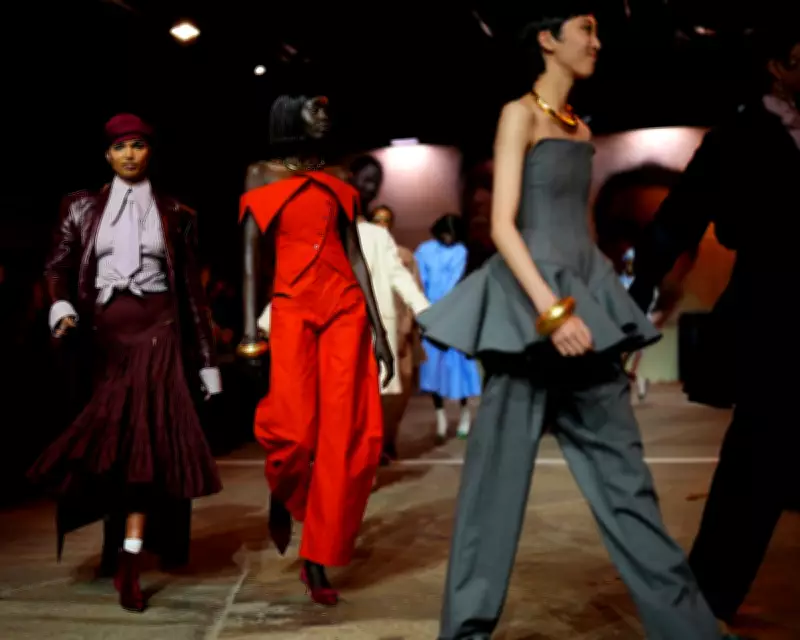
As London Fashion Week opened with Tolu Coker's show, a significant shift is underway in the British fashion industry. Brands are increasingly focusing on creating "real clothes" that sell, moving away from the theatrical and innovative designs that have long defined the event. This pivot reflects both financial pressures and a strategic effort to re-establish London as a global style capital.
A Call for Polish Over Pantomime
Mario Arena, creative director of Joseph, articulated this new direction at the brand's first catwalk show in eight years. "London fashion has leant too much into being theatrical. Drama is great, but style is a huge piece of why we buy fashion," he stated. Arena advocates for more polish and less pantomime, emphasising clothes that sell rather than those that merely make a statement.
He noted that buyers often come to London for innovation but turn to Italy and France for style. "But London used to be a style capital, and it should be again," Arena asserted. His vision includes designing clothes that work for multiple aspects of modern life, what he calls the "three Ds": desk, dinner, and walking the dog.

Industry Leaders Echo the Sentiment
Laura Weir, chief executive of the British Fashion Council, fully supports this shift. "London fashion week has been at its best when it has that wickedly potent combination of the creative but also the commercial," she said, citing iconic 1980s brands like BodyMap and Jasper Conran as examples. This balance is seen as crucial for the event's success and relevance.
Even established names like Burberry are aligning with this trend. The brand, showcasing at the old Billingsgate fish market, is pivoting away from edgy streetwear towards classic outerwear, reinforcing the demand for practical, stylish clothing.
Royal Presence and Off-Catwalk Drama
While the focus is on wearable fashion, drama still finds its place off the catwalk. King Charles made a surprise appearance at Tolu Coker's show, where the audience, including designer Stella McCartney and rappers Skepta and Little Simz, stood for his entrance. This royal visit provided a brief distraction from ongoing news headlines.
At Joseph's show in Tate Modern, the brand updated its signature minimal chic with new fabric technology. For instance, a glazed leather jacket was laser-cut to create a snakeskin effect that improves with wear. Arena drew inspiration from 1970s and 1980s fashion shows, creating faux-fur coats with leather bands to mimic traditional furs without using animal pelts.
Financial Realities Drive Change
The industry's mood is increasingly pragmatic, with financial pressures leading many designers to skip fashion week shows. Weir revealed that some designers have withdrawn due to sponsors pulling out, with costs for even a small-scale show reaching around £50,000. "Not putting on a show is sometimes the right decision. If it's going to put you into loads of debt, don't do a show," she advised, highlighting alternative ways to reach audiences.
Roksanda Ilinčić, celebrating her brand's 20th anniversary, chose to open a pop-up store in Knightsbridge over staging a catwalk show this season. "Financially and logistically, we couldn't do both the shop and a show," she explained. This decision has encouraged her to focus on more wearable pieces, responding to customer demand for easier, practical clothing.
Innovative Alternatives to Traditional Shows
Despite the challenges, London Fashion Week remains vibrant with creative alternatives. Mulberry is marking 55 years of its Bayswater handbag by releasing 55 unique bags using deadstock fabrics in novel combinations. Meanwhile, Han Chong of Self-Portrait is hosting a film screening and dumplings-and-karaoke party instead of a traditional show.
Weir emphasised the enduring importance of fashion in media coverage, especially in turbulent times. "In a world as volatile as this, with so many challenges to our values and humanity, there is even more of a need to platform creativity, making and British success stories," she concluded.