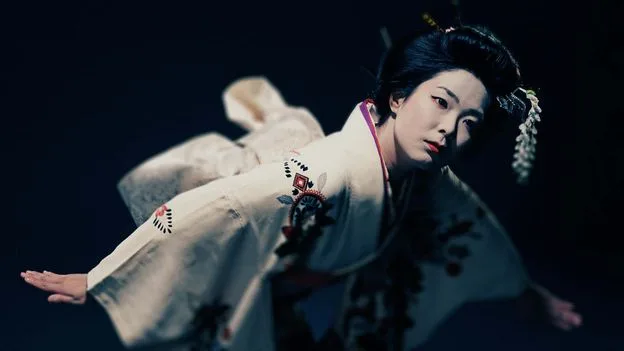
The kimono, a quintessentially Japanese garment, plays an integral role in society, worn at key life events such as shrine visits, coming of age, and marriage ceremonies. Handcrafted by skilled artisans, these garments can be worth thousands of pounds and are often passed down through generations. To Western eyes, the kimono symbolises Japan, often romanticised through misconceptions about the geisha.
Historically, the kimono was a daily fashion staple for most of the population. After the US forced Japan to open its borders in the late 19th century, the kimono began shifting towards a symbolic role. This shift accelerated after the Pacific War (1941–45), when many Japanese adopted Western clothing, leaving the kimono as a cultural icon rather than everyday wear.
Since the 1990s, a revival has emerged among younger Japanese, fuelled by magazines, blogs, and social media groups. Kimono is once again seen on the streets, demonstrating its dynamic nature as a fashionable garment whose significance has changed over time.
Gaining sartorial importance during the Edo period (1630–1868), the kimono reflected status and wealth. Samurai women adhered to strict dress codes, while the merchant class—unable to climb the social hierarchy—used kimono to display their style and confidence, driving innovation in designs and techniques. Kabuki actors and courtesans acted as trendsetters, with their looks spread through woodblock prints.
Sumptuary laws restricted colours, dyes, and materials like silk to limit merchant class displays, but these rules sparked subtle, subversive fashion. Wearers concealed wealth through plain exteriors with flashy linings or intricate patterns. During the late 18th and early 19th centuries, geisha epitomised the chic, understated 'iki' style, a contrast to the flamboyant styles they later adopted.