Cowboy Core Craze Sweeps Fashion: From Brooklyn to Beyoncé's Tour
Cowboy Core Fashion Craze Sweeps from Brooklyn to Beyoncé

The unmistakable signs are everywhere. A friend who once favored normcore dad trainers now struts in cowboy boots. The regular at your local coffee shop, previously known for his beanie, sips a cortado under a Stetson. Red bandana neckerchiefs have suddenly become ubiquitous. What began as a subtle shift has erupted into a full-blown phenomenon: everyone, it seems, is dressing like a cowboy.

The Cultural Catalysts Behind the Cowboy Craze

Dubbed the Yellowstone effect, the Landman aesthetic, or attributed to Beyoncé's groundbreaking country tour, the embrace of Western style is undeniable. Suede fringed jackets, Wrangler jeans, rhinestone belts, and cowboy boots are now as prevalent on the streets of Brooklyn as in Bozeman, Montana. This trend transcends mere fashion; it's a cultural wave.

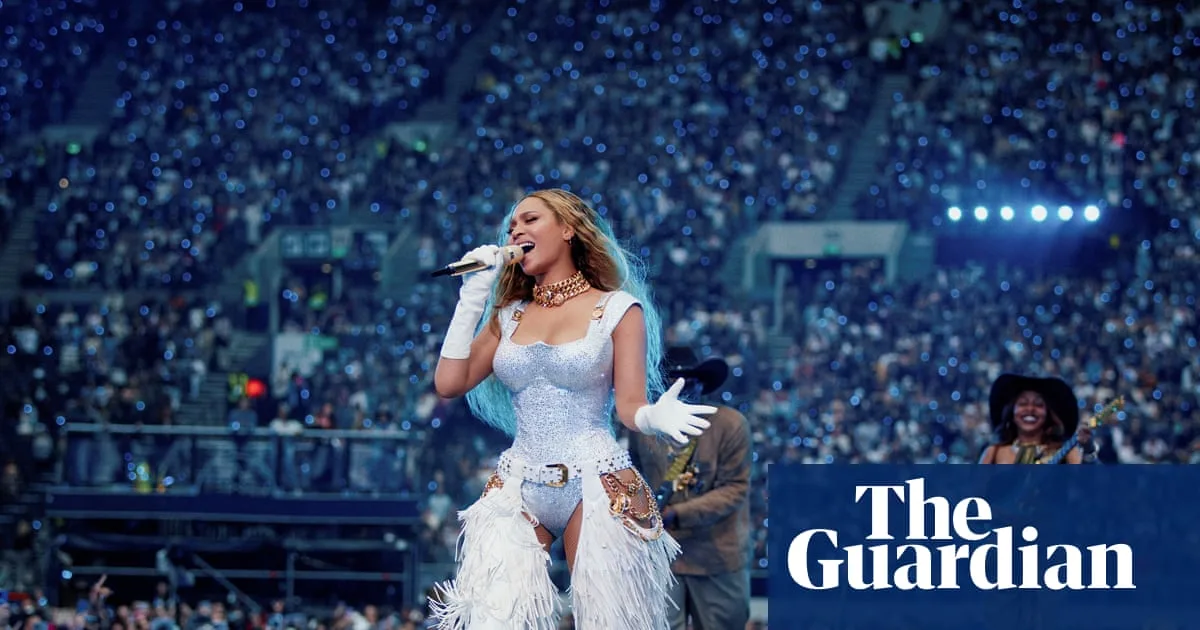
Taylor Sheridan's epic series Yellowstone, chronicling the Dutton family's dramas in Montana, shattered records with 15.9 million viewers for its fifth season, marking the most-watched cable premiere since The Walking Dead in 2017. Sheridan's follow-up, Landman, shifted focus to oil workers in West Texas, earning awards and becoming one of last year's biggest shows. Meanwhile, Beyoncé's Cowboy Carter tour, inspired by her Grammy-winning 2024 country album, grossed a staggering $407.6 million from 1.6 million tickets, with fans nationwide two-stepping in their finest Western attire.

Wide Pickt banner — collaborative shopping lists app for Telegram, phone mockup with grocery list

High Fashion Embraces the Wild West

The fashion industry has eagerly capitalized on this trend. Louis Vuitton's creative director Pharrell Williams recently showcased models in embellished denim chaps and cactus-motif suits against a barren desert backdrop. Texan singer Kacey Musgraves' term "Yee-haw couture" aptly describes collections from Gucci, Versace, and Chanel. For an October Vogue cover, models Kendall Jenner and Gigi Hadid posed on horses at a Wyoming ranch, while Hadid's sister Bella dated professional rodeo champion Adan Banuelos. Rapper Post Malone launched Austin Post, a streetwear-meets-Western brand featuring items like gray zip-ups with suede fringe for $370.

This clamor for ranch-inspired attire has proven highly profitable. Boot Barn, a California-based chain with over 500 stores nationwide, has more than tripled in value over the past five years, according to Nasdaq. Tecovas, an Austin-founded cowboy boot company, invested millions in a Super Bowl ad after opening its first New York store in SoHo, complete with a tequila bar.

Why the Cowboy Aesthetic Resonates Today

Steve Soderholm, founder of the Western-inspired perfumery Ranger Station, embodies the modern cowboy aesthetic with his bandanas, cream Stetsons, and boots. He notes the style's versatility, suitable for both formal dinners and yard work. Soderholm observes city-dwellers, including "finance bros," adopting the look, suggesting men are drawn to it as a yearning for a "simpler time."

"People are craving analogue experiences in a fast-paced digital world," he explains. "They're attracted to the idea of a quieter, more peaceful life." Fashion historian Summer Anne Lee of the Fashion Institute of Technology adds that the cowboy represents an aspirational fantasy of independence, self-reliance, and strength. "Cowboys are seen as protectors, able to defend themselves and others," she says.

Historical Roots and Cultural Fusion

Functional workwear from ranchers and laborers is deeply embedded in American fashion history. Heritage brands like Levi's and Stetson originated by outfitting laborers before adapting for mass markets. Levi Strauss, a Bavarian immigrant, founded his denim brand in 1853 during the Gold Rush, patenting the first "blue jeans" with tailor Jacob Davis in 1873.

Some styles draw from even older traditions, such as Native American dress. Leather fringing, now decorative, was originally designed to channel rainwater away from garments. "There's a fusion of indigenous styles developed for practical purposes," Lee notes. The bedazzled side of Western dressing traces back to the 1940s, when tailor Nudie Cohn created rhinestone-detailed "Nudie Suits" for country stars like Elvis Presley and Johnny Cash, influencing modern artists like Post Malone and Beyoncé.

Pickt after-article banner — collaborative shopping lists app with family illustration

A Symbol of American Identity in Turbulent Times

At a fraught moment in U.S. history, with a Gallup poll indicating 80% of adults believe the country lacks shared values, the cowboy emerges as a unifying symbol. "There's a crisis of American identity," Lee observes. "In that search, the cowboy is something people land on."

Imbued with traits like honor, hard work, and freedom, the cowboy offers a vision of America that transcends political divides. Soderholm believes American men, in particular, find solace in this rugged masculinity. "The cowboy works the field, provides for his family, and uses his hands," he says. "We dress aspirationally toward the life we wish for—a super simple life, like in the old West."

From luxury runways to everyday wardrobes, the cowboy aesthetic has galloped far beyond the ranch, becoming a powerful expression of nostalgia, identity, and style in contemporary culture.