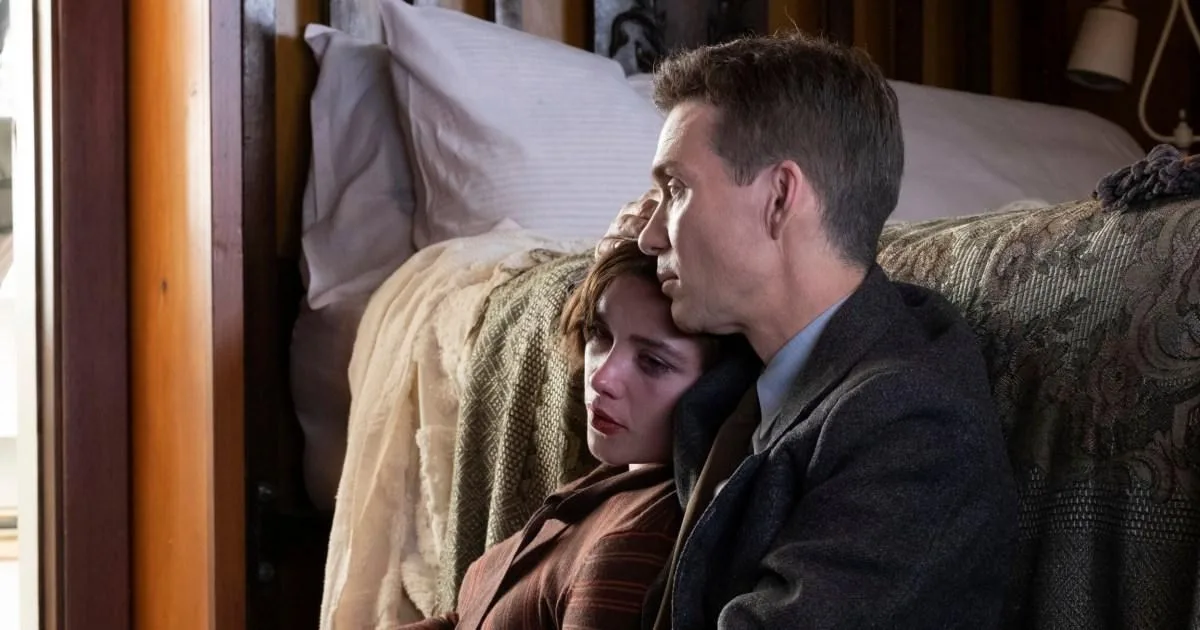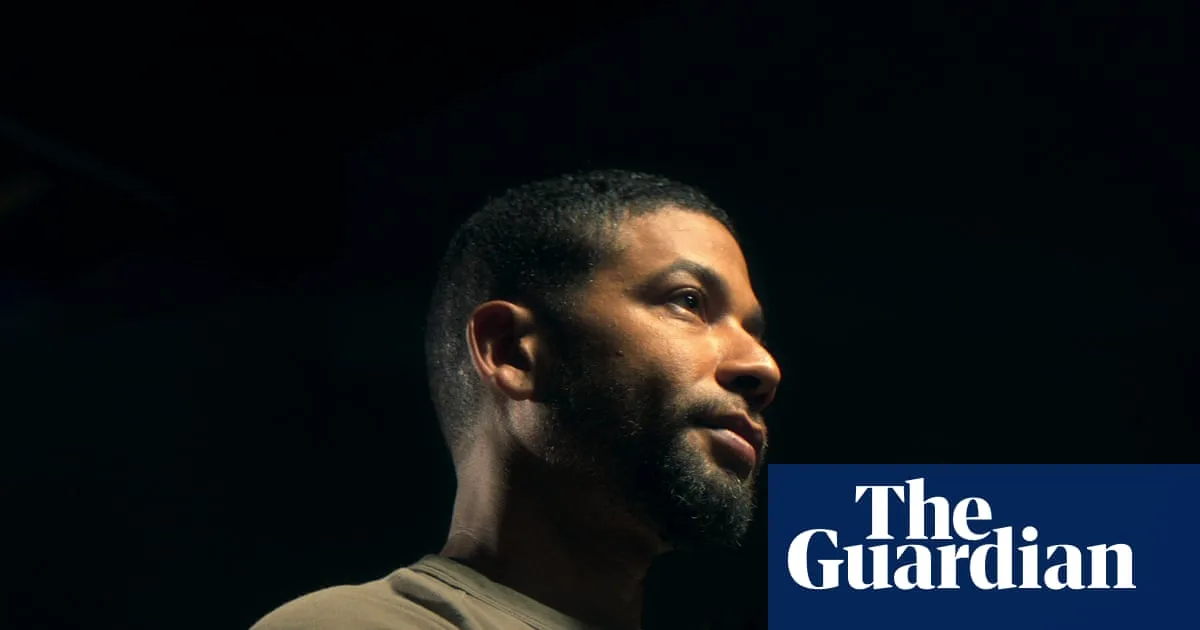
Few had it made at the beginning of 2019 quite like Jussie Smollett, an actor and singer who successfully navigated child stardom on the way to becoming a fixture on the hit TV series Empire. That was until late January of that same year, when news broke that Smollett had been attacked outside his downtown Chicago apartment in a possible hate crime. The breakout details that Smollett shared early on – specifically, that he had been jumped by two Maga foot soldiers who doused him in bleach before placing a noose around his neck – both galvanised public supporters and made them cynical.
Ultimately, Smollett, who was suspected of staging the confrontation with help from two acting acquaintances, was charged with filing a false police report. When those charges were dropped in a deal with the county prosecutor’s office, prompting cries of favouritism, Smollett was re-indicted, found guilty of framing himself and sentenced to five months of county jail. Even though Smollett would win a conviction reversal on appeal in 2024 and has stuck to his original story, this idea that he manufactured outrage for clout continues to cost him his reputation and career.
Director Gagan Rehill’s latest film, Netflix’s The Truth about Jussie Smollett?, explores the competing narratives. The film spares no effort in getting down to the bottom of what exactly happened. In addition to reviewing the stockpiles of police evidence and trial transcripts, the documentary visits with a number of the main players, including Smollett in an exclusive. As he begins sharing his version of events, you gain an appreciation for why the man would abandon the comfort of his luxury high-rise at 2am to brave -3C conditions for a Subway sandwich.

Even Smollett’s claim to being assaulted by a pair of white men gains credibility from two eyewitnesses (a neighbour and a security guard) who recalled seeing two people who fit that description lingering outside Smollett’s building and testified to as much in court. Yet the trial lacked cameras until the sentencing, allowing pundits to wallow in the void where genetic evidence and crime-scene video might hang. “I was defending myself against bullshit,” Smollett says at one point to camera.