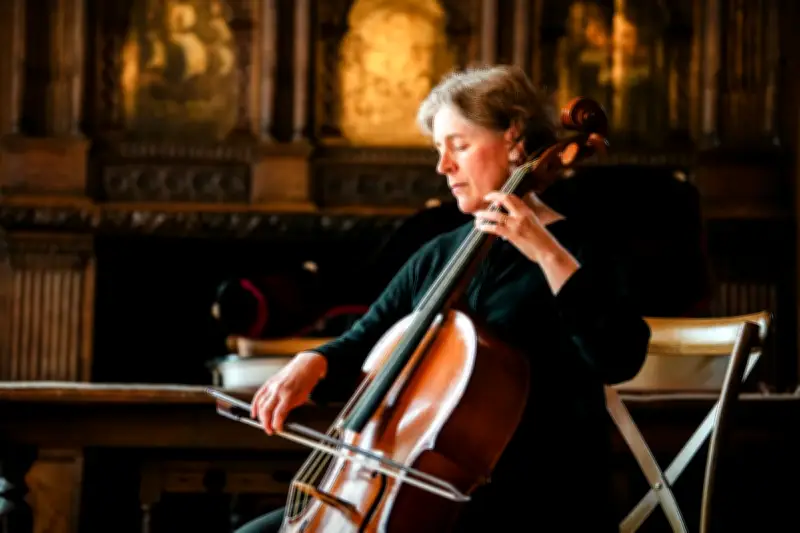
A cello once owned by the celebrated British landscape painter John Constable has been played publicly for the first time in more than a century, offering a rare glimpse into the artist's lesser-known musical side.
Rediscovery of a Musical Treasure
The instrument, which had been stored in a private collection, was recently identified as having belonged to Constable. Curators and historians were thrilled to uncover this connection, as Constable is primarily known for his iconic paintings such as The Hay Wain and Dedham Vale. The cello was played during a special event at Christchurch Mansion in Ipswich, Suffolk, where Constable spent much of his life.
A Personal Connection to Music
Constable was known to have a deep appreciation for music, though his musical talents were largely overshadowed by his artistic achievements. The cello, which dates back to the early 19th century, was likely played by Constable himself or by members of his family. The instrument's delicate condition required careful restoration before it could be played again.
Silent for Over a Century
The cello had not been played in living memory, with records indicating it had been silent for at least 100 years. The instrument was brought to life by a professional cellist, who performed a selection of pieces that Constable himself might have enjoyed. The event was attended by art lovers and music enthusiasts alike, who were moved by the unique intersection of visual art and music.
Significance for Art and History
This rediscovery adds a new dimension to Constable's legacy, highlighting his multifaceted interests. It also underscores the importance of preserving historical artifacts beyond paintings and sculptures. The cello is now set to be displayed at Christchurch Mansion, offering visitors a tangible link to Constable's personal life.
The performance was described as a 'silent tribute' to the artist, bridging the gap between his world and ours. As the notes filled the room, it was as if Constable's spirit was momentarily revived through the strings of his own instrument.