Cynthia Erivo's Dracula Lacks Bite in Static One-Woman Stage Adaptation
Cynthia Erivo takes on the iconic role of Dracula and every other character in Bram Stoker's classic horror story in a new stage production at London's Noël Coward theatre. However, this one-woman adaptation, directed by Kip Williams, struggles to capture the feverish atmosphere and diabolic menace required for the tale of the blood-sucking count.
A Magnificent Modern Dracula Undermined by Technology
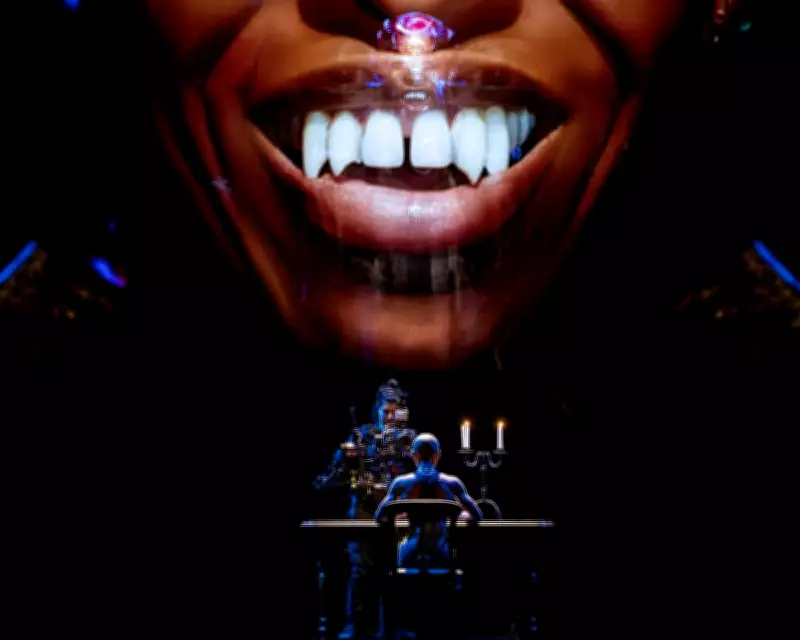
Erivo makes a striking modern Dracula, appearing on stage with piercings, tattoos, and sharp angles, reminiscent of FW Murnau's Nosferatu with her long, pointed nails. Yet, the production heavily relies on technology, using camera operators to project live and pre-recorded footage onto a giant screen. This approach, while innovative, distances the audience from the dread and horror, drawing attention away from Erivo's performance to the screen closeups.
The use of superimposed images creates a hallucinatory effect, but the action on stage remains overwhelmingly static. The story is narrated swiftly by Erivo, with only snippets of dialogue, giving the impression of an audiobook with screen illustrations rather than a dynamic theatrical experience.

Characterisation and Atmosphere Fall Flat
Erivo employs accents, wigs, and quick costume changes to differentiate characters, such as a pink-red wig and African-inflected accent for Dracula, and clipped British tones for Jonathan Harker. Despite her efforts, the atmosphere stays sedate, lacking the peril and feverish tension essential to the horror genre. Characters often verge on the comical, with Van Helsing appearing as a gothic Gandalf, and the storytelling feels sterile, undercutting emotional momentum.
The production aims to explore the battle between fear and desire, but it delivers neither chill nor heat. Dracula's fangs and the vampire-women fail to evoke seduction or threat, with elements like a giant love heart feeling more chocolate-box than sexually suggestive.
Missed Opportunities and Relevance
This adaptation overlooks the story's potential as a cautionary tale about outsiders and immigrants, a theme with current real-world relevance that remains unpicked. Towards the end, Erivo offers a tantalising glimpse of her singing voice, but it is aborted into a few lines rather than a full song, highlighting a missed opportunity to leverage her strengths in what might have been better conceived as Dracula the Musical.
Overall, while Erivo's performance is commendable, the production's reliance on narration and technology leaves it defanged, failing to deliver the diabolicism and horror that define Bram Stoker's enduring classic.