Descending into Darkness: The Making of Underland
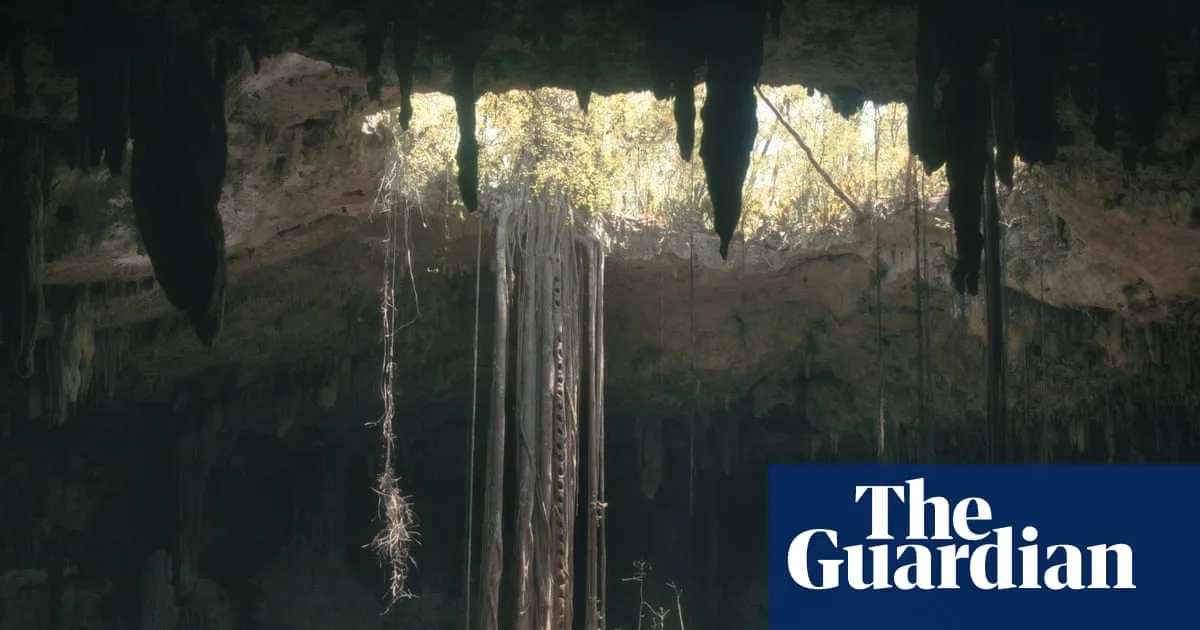
Just off the B3134 in Somerset lies a portal to the underworld: the Tradesman's Entrance to Goatchurch Cavern. Through this narrow opening, I squeeze, tumbling over damp, smooth rock and lacerating a jumpsuit in the process. Venturing deeper, sometimes crawling, sometimes standing upright, I search for footholds in the dark, guided by filmmaker Robert Petit. We are heading 100 feet underground to the Boulder Chamber, where over sugary snacks, I will quiz him about his five-year obsession with creating the documentary film Underland, inspired by nature writer Robert Macfarlane's bestselling 2019 subterranean travelogue.
Fear and Freedom in the Depths
"Some fear is good," says Petit as we descend, but he warns that too much can lead to hyperventilation, depleting oxygen. My mind races with worries: what if I freak out, twist an ankle, or join Pleistocene mammoths in the fossil record? Yet, for Petit and the three protagonists of his film, the upside-down world is where they feel existentially right-side-up, free from surface constraints. Urban explorer Bradley Garrett, featured in the film, savors the faecal tang and abandoned car wrecks of Las Vegas's storm drains, associating the smell with freedom.
Petit shares this sentiment, noting that underground, time thickens and slows, though he has alerted Mendip Cave Rescue to ensure our safety. As I stumble, Petit moves like a genial buttered otter, attaching ropes and hefting equipment, shouting life-saving instructions like "Don't go down the Coal Chute!" and "Stay away from Jacob's Ladder!" The cavern's features, from Desolation Row to Abandon Hope, are morbidly named by sarcastic explorers, creating an Alice in Wonderland-like atmosphere, though I feel more like Winnie the Pooh, fearing I might get stuck.
Artistic Constraints and Creative Collaboration
The film's conceit is strict: the camera enters below ground through a cleft in an old ash tree and does not resurface until the end, eliminating talking heads, birdsong, and daylight. This artistic self-denial recalls Lars von Trier's Dogme manifesto or the formal constraints of French novelist Georges Perec. Macfarlane, whom I speak to over Zoom after my descent, admires Petit's approach. While the book has 13 chapters exploring underlands from Slovenia to Paris, the film focuses on three subterranean denizens whose stories intertwine like Dante's descent into hell.
Macfarlane was delighted Petit won the film rights, praising his creative risks. "I would have given him the rights for a farthing and a pint of beer," he says, emphasizing the thrill of quantum collaboration, where trust leads to metamorphosis. Although not on camera, Macfarlane collaborated on the script, with narration by Oscar-nominated Sandra Hüller and an eerie score by Hannah Peel.
Threads of Exploration: From Las Vegas to Dark Matter
The film weaves three threads: Bradley Garrett in Las Vegas storm drains, Fátima Tec Pool exploring Yucatán caves for Maya fossil traces, and physicist Mariangela Lisanti researching dark matter deep beneath Canada. Petit, influenced by Werner Herzog and Joseph Conrad, positions the camera as the protagonist, documenting extraordinary journeys into the abyss.
This collaboration builds on past work; Petit and Macfarlane, near-contemporaries at Cambridge, previously created Upstream, a short film with a dialectical frictional process. Macfarlane insists Underland avoids mansplaining travelogues, instead exploring the underland's threefold human meanings: shelter for memories and fragile lives, yield for information and metaphors, and disposal for waste and secrets.
Personal Resonance and Trace Fossils
For Petit, the book resonated personally, especially passages on fossil traces related to loss, as he mourned his aunt and uncle. In his companion book, Beneath the Old Ash Tree: The Making of Underland, he writes to Macfarlane about trace fossils—handwriting on envelopes, wear on steps, memories of gestures—that mark absence. This theme echoes in the film, as Fátima Tec Pool presses her hand against ancient cave handprints, connecting across millennia in deep human time.
Macfarlane notes our enduring draw to the underland, citing the Epic of Gilgamesh as an early underworld story exploring mortality. He references Nietzsche's warning about the abyss looking back, a motif Petit considered for the film, reminding us that our gaze can be consumed by darkness.
Return to the Surface and the Old Mother Ash
Emerging from Goatchurch Cavern, muddied and chastened, I appreciate birdsong, daffodils, and Somerset's spring scents anew. But our journey continues to the Old Mother Ash tree in Priddy, where both book and film begin. Petit is worried; the tree has collapsed, its cleft broken, as if it held on until the film's completion. Yet, buds grow from a broken branch, symbolizing the thin line between death and life.
Lying down, I peer through the remaining tree hole at an underground stream flowing toward Wookey Hole. Petit jumps into a human-fashioned hole nearby, exploring from below, then emerges radiant, emptying his wellies of chilly water. His enthusiasm for the world below is palpable, capturing the essence of Underland, which premieres in UK and Irish cinemas from 27 March.