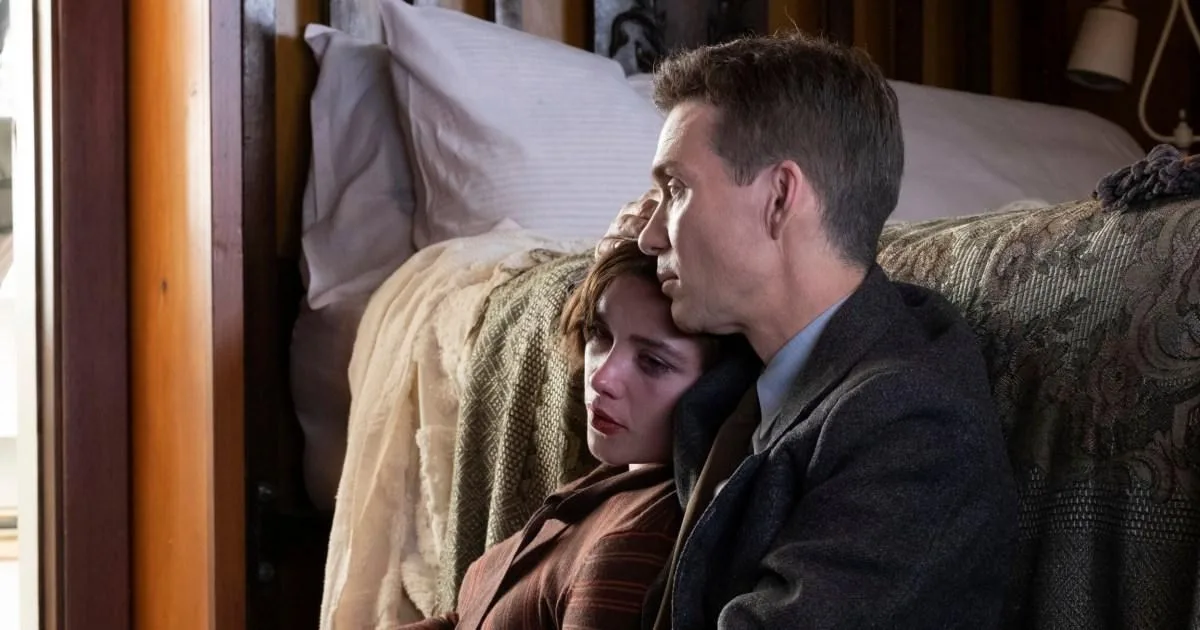
Steven Soderbergh's latest documentary, John Lennon: The Last Interview, has been criticised for its heavy reliance on unremarkable artificial intelligence-generated imagery. The film, which premiered at the Cannes Film Festival, focuses on Lennon and Yoko Ono's final interview, conducted on 8 December 1980, just hours before his murder.
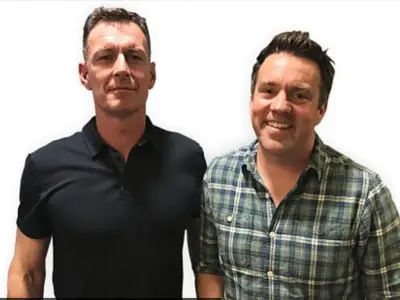
The conversation, recorded by radio journalists Dave Sholin, Laurie Kaye and Ron Hummel, took place in the Dakota apartment building in New York. As the interviewers left, a stalker later identified as Lennon's killer, Mark David Chapman, approached them and received a copy of the album Double Fantasy. The documentary avoids dwelling on this chilling context, instead opting for a hopeful tone.
However, the film's innovative selling point — the use of AI to create visual sequences — has been widely panned as mediocre and distracting. Critics describe the AI-generated clips as generic and literal, resembling low-quality album cover art. Some had speculated Soderbergh might use AI to animate Lennon and Ono, but the final product merely intersperses the interview with still photos, archive footage and these lacklustre AI images.

During the interview, Yoko Ono remarks that humans may one day be 'replaced by computers', an ironic statement given the film's heavy use of AI. The documentary offers no additional commentary beyond the interview itself, aside from brief reminiscences from the journalists involved. While Lennon's thoughts on music and the counterculture remain engaging, the overall execution has disappointed many.