Silent Film Festival in Scotland Draws Global Cinephiles to Historic Hippodrome
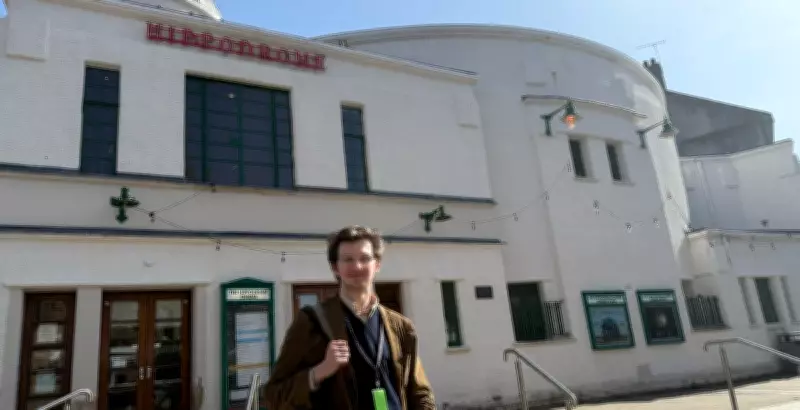
Once a year, silent film enthusiasts from across the globe converge on the small Scottish town of Bo'ness for HippFest, a unique celebration of classic cinema in an unexpected setting. This festival, now in its 16th year, transforms the historic Hippodrome—Scotland's oldest purpose-built cinema—into a hub for slapstick, spectacle, and shared passion.
A Global Community United by Silent Cinema
Silent cinema transcends linguistic barriers, relying on movement and expression rather than dialogue to tell stories. This universal appeal has fostered a loyal international fan base, even a century after the art form's peak. As Alison Strauss, the festival director, explained over coffee in Bo'ness library, "the silent film community is loyal and willing to travel." While festivals in Toronto, San Francisco, and Pordenone also cater to this niche, HippFest stands out for its intimate Scottish charm and rich programming.
The festival screens a mix of beloved classics, newly restored prints, and obscure gems, each accompanied by live musical scores. From traditional piano arrangements reminiscent of the 1920s to modern blends like the Norwegian folk-electronica fusion for Fante-Anne (1920), the soundscapes breathe new life into these timeless films.

Journey to the Heart of Scottish Cinema
Attendees can embark on a scenic journey from London, taking a direct train to Edinburgh, followed by a short ride to Linlithgow and a shuttle bus to Bo'ness. The effort is rewarded upon entering the Hippodrome, a circular auditorium designed by architect Matthew Steele in 1912, which feels like stepping back in time. This whimsical space has even featured in productions like Good Omens and the Bafta-winning film I Swear.
The cinema's history is as captivating as its films. Originally run by Louis Dickson, who named his local house "Hollywood," the venue has seen periods of glory and neglect. After closing in 1975, it served as a bingo hall before being lovingly restored and reopened in 2009. Longtime residents, like 95-year-old Lilian, recall Dickson's strict enforcement of decorum, kicking out misbehaving patrons to uphold the cinema's beauty.
Festival Highlights and Local Exploration
Beyond screenings, HippFest offers a range of activities that enrich the experience. Attendees can enjoy whisky tastings at Rosebank distillery, explore Bo'ness's Art Deco architecture on walking tours, or participate in dance workshops inspired by the films. The festival buzzes with events like opening night receptions and 1920s-themed galas, where dressing up and cocktails evoke the flapper era.
For those extending their stay, the surrounding area boasts attractions such as the Kelpies equine sculptures, Antonine Wall, Blackness Castle, and Callendar House. However, the true magic lies within the cinema's darkened auditorium, where films like The Outlaw and His Wife (1918) and Buster Keaton's The Cameraman (1928) captivate audiences of all ages.
Memorable Moments and Future Plans
The festival's programming balances international classics with rarely screened works, from Anna May Wong's Song (1928) to the melodrama The Crowd (1928). Packed houses, including families laughing at Keaton's antics, ensure these films will be cherished by future generations. As one visitor noted, it's a five-day immersion that rekindles a love for cinema.
Looking ahead, HippFest 2027 is scheduled for March 17-21, with tickets starting at £142.50 for a five-day pass. Accommodations like the Richmond Park Hotel offer discounts for festival-goers, making it an accessible escape into the world of silent film.