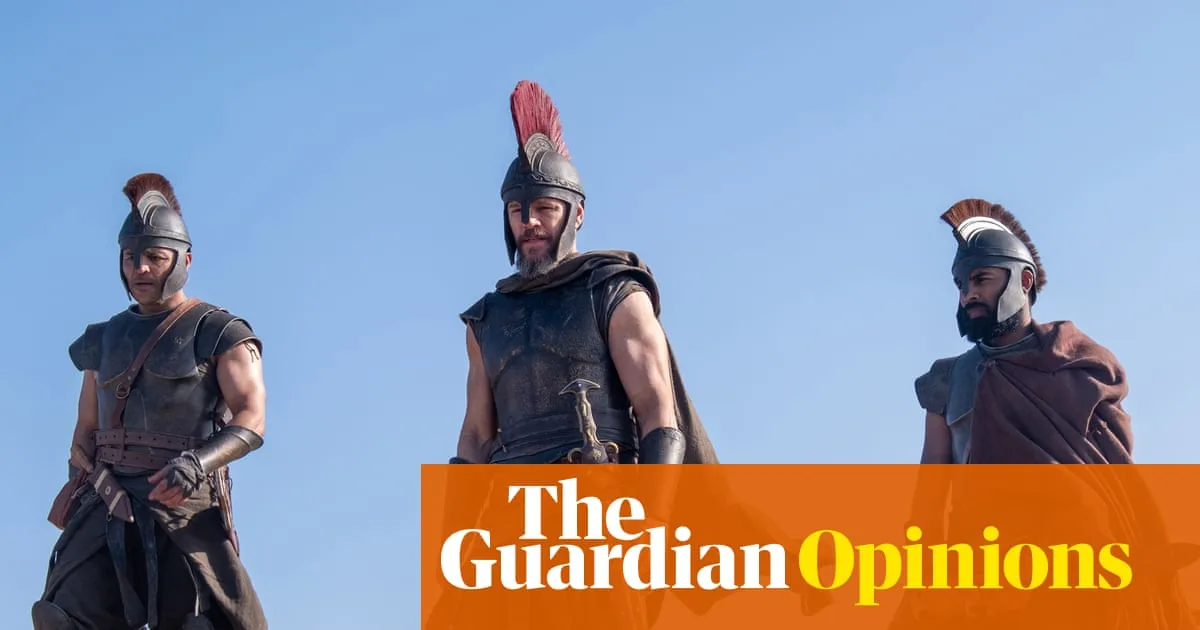
Christopher Nolan’s upcoming adaptation of Homer’s *The Odyssey* has come under fire for shooting scenes in Moroccan-occupied Western Sahara, a territory where Indigenous Sahrawi filmmakers risk imprisonment for documenting their own lives. The decision has been condemned by Sahrawi activists as a betrayal of a people living under a brutal occupation for over 50 years.
Under Moroccan rule, Sahrawi journalists and filmmakers often face arrest for capturing everyday life, as the regime considers any independent depiction a threat to its narrative that Western Sahara is part of Morocco. In contrast, international film crews like Nolan’s are welcomed and escorted by the same authorities, highlighting a double standard that critics say helps legitimise the occupation.
The irony is not lost on Sahrawis: *The Odyssey* is a story of displacement and longing for home, themes that directly mirror their own reality. Since 1975, when Spain transferred the territory to Morocco and Mauritania, half of the Sahrawi population has lived in refugee camps in Algeria, while the other half endures a military police state separated by a 2,700km minefield wall.

International law considers Western Sahara a non-self-governing territory, and using its resources—including land for filming—without Indigenous consent is potentially illegal. Critics argue that Nolan’s shoot amounts to state-sponsored PR for Morocco’s occupation, further silencing Sahrawi voices and erasing their struggle from the global narrative.