Zoe Williams finds herself puzzled by Christopher Nolan's decision to eliminate all sexual content from his adaptation of Homer's epic, The Odyssey. She notes that without Odysseus' dalliances with Circe and Calypso, the reason for his ten-year journey home becomes unclear.
The Missing Encounters
Williams reflects on Circe's passion for Odysseus, which she describes as 'a rumination on the double standards of godliness.' She questions whether something happened between them, despite the film's lack of sexual chemistry. Similarly, she wonders why Calypso would exert such effort to keep Odysseus on her island if not for sex, as she had no need for a warrior or handyman.
The Siren's Song
Williams had always interpreted the siren song as a metaphor for sexual longing. In Nolan's film, it becomes a mournful call for something lost—innocence or the past—which she finds less compelling, suggesting a male voice choir might have served better.

Trauma as a Substitute
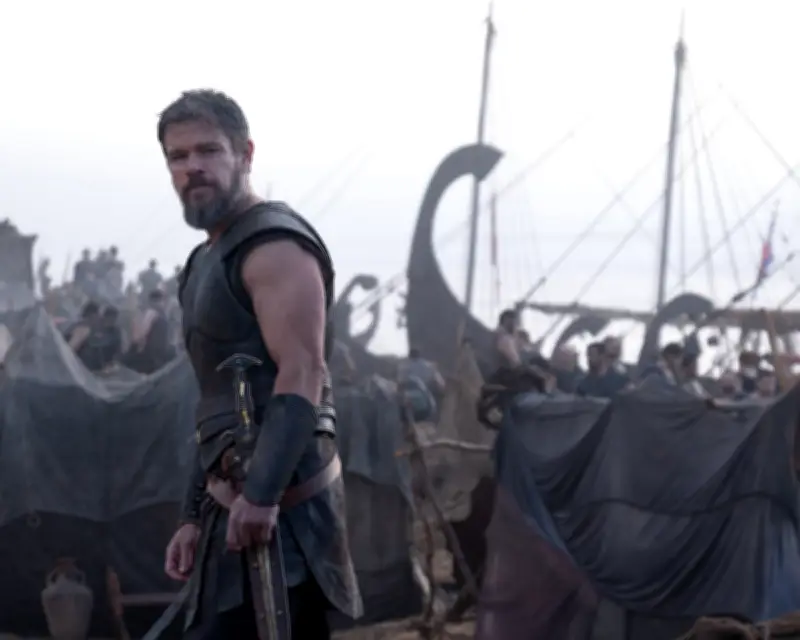
With the sexual adventures removed, Odysseus' trauma from war becomes the explanation for his delay. In a monologue, Matt Damon's Odysseus explains that bloodshed made him unable to return home without sullying it. Williams acknowledges this but notes the irony: ending his journey with a mass killing of suitors seems counter-productive for a traumatized hero.
Williams concludes that while she understands the need for Odysseus to remain faithful to Penelope in a modern adaptation, desexing the classics presents challenges. She writes, 'de-sexing the classics is harder than it looks.'