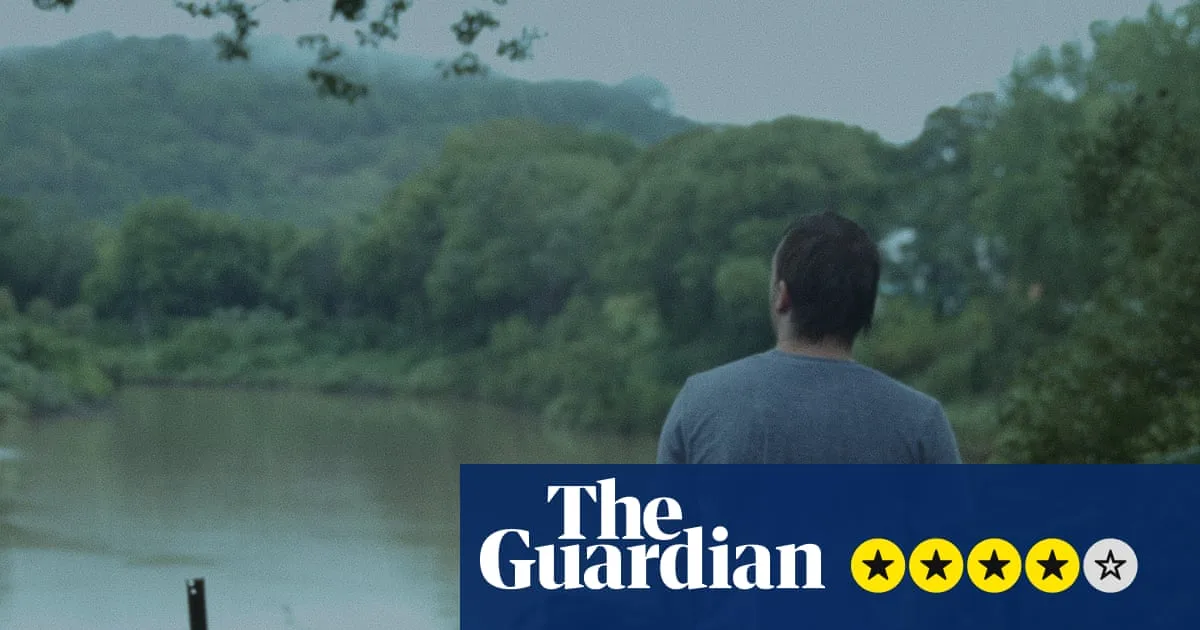
A new documentary, Floodland, offers a poignant look at the New South Wales town of Lismore and its recovery from the devastating floods of 2022. Directed by Jordan Giusti, the film focuses on healing and renewal, weaving together the stories of residents whose lives were reshaped by the disaster.
The documentary introduces Eli and Jess, a couple who met after the floods and fell in love. 'If the floods didn't happen, this would never have happened,' Eli says, illustrating how joy can emerge from catastrophe. Other subjects include Harper, a social justice activist, and Dr Caroline Atkinson, a Bundjalung and Yiman woman who founded the Northern Rivers Community Healing Hub to support First Nations people affected by the floods.
Floodland uses striking footage of the flood's aftermath, showing buildings engulfed by water and residents climbing onto roofs for safety. The film also explores the town's history, treatment of Indigenous people, and themes of disaster capitalism, all while maintaining an organic, fluid structure that mirrors water's movement.

The documentary begins with Lismore's lush surroundings before depicting the intense thunderstorms of February 2022, which led to record flood levels of 14.4 metres. Despite the devastation, the film highlights community resilience as locals clean up and rebuild, looking toward the future with hope.