Jim Jarmusch Reflects on His Latest Film and Artistic Philosophy
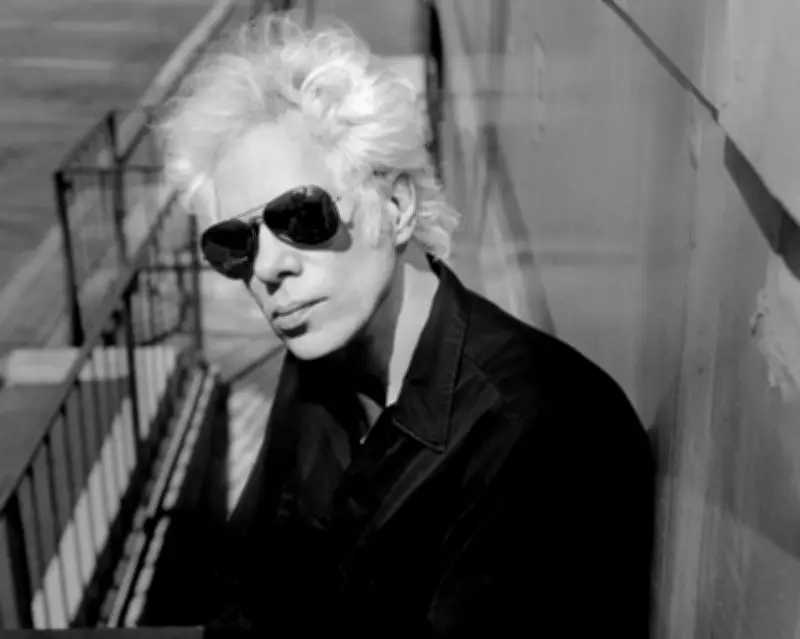
In a candid video call from his book-lined New York room, Jim Jarmusch, the 73-year-old icon of American independent cinema, opens up about his new film, Father Mother Sister Brother, which recently claimed the Golden Lion at the Venice Film Festival. With his signature sculptural white hair, tinted glasses, and black attire, Jarmusch cuts a familiar figure as he delves into themes of grief, greed, and the nuances of everyday life that define his work.
A Journey Rooted in Human Connection
Jarmusch's career, spanning from his 1984 breakthrough Stranger Than Paradise to the present, has consistently focused on offbeat Americana and empathetic storytelling. He eschews traditional narratives, instead crafting vignettes that explore the mundane, often infused with his deadpan humor. "I make films out of the things other people would leave out," he explains, citing examples like his anthology film Night on Earth, which centered on cab rides, and Coffee and Cigarettes, which captured life's pauses.
His latest project, Father Mother Sister Brother, is a three-part drama set in New Jersey, Dublin, and Paris, with recurring motifs like skateboarders and the phrase "Bob's your uncle." Jarmusch describes it as influenced by Japanese director Yasujirō Ozu, known for observing daily life. The film features Adam Driver, Tom Waits, Charlotte Rampling, and Cate Blanchett, among others, with Jarmusch often writing scripts rapidly after casting actors he admires.

Memories of Collaborations and Missed Opportunities
During the interview, Jarmusch reminisces about working with the late Gena Rowlands on Night on Earth, calling her "a remarkable, apparently effortless person" and highlighting her connection to John Cassavetes. He shares a poignant story: after the film, Rowlands sent him a Cassavetes script, Unless That Someone Is You, hoping he would direct it. However, Jarmusch was preparing Dead Man, his psychedelic western with Johnny Depp, and had to decline. "That was the only time I had any interest in directing someone else's script," he notes, expressing regret but also gratitude for the compliment.
Jarmusch emphasizes his humanist romantic style, drawing inspiration from Cassavetes and David Lynch without imitation. He values long-term collaborations with actors like Waits and Driver, whom he met through serendipitous encounters, such as a party hosted by Jean-Michel Basquiat.
Rejecting Commercial Pressures and Embracing Independence
Jarmusch is vocal about his disdain for commercial filmmaking, stating, "I'm not a commercial director – I'm not even a professional film-maker." He avoids compromises with backers, famously walking away if asked to alter his vision. "It's harder every time to get a film made," he admits, explaining why Father Mother Sister Brother is his first release since 2019's The Dead Don't Die. His process is delicate, with smaller budgets and tighter schedules, but he remains stubbornly committed to his artistic integrity.
When Cannes rejected his latest film, Jarmusch took it to Venice, where it unexpectedly won the top prize. While appreciative, he dismisses artistic competition as "nonsense," though he fondly recalls airport workers in Venice cheering his victory. Looking ahead, he plans to shoot a new film in Paris, keeping details secret due to superstition.
Philosophies on Life and Death
Grief is a central theme in Father Mother Sister Brother, but Jarmusch approaches death with a philosophical calm. "I'm not a death-obsessive person at all," he says, adopting an almost Buddhist perspective on life's cyclical nature. He stays active with swimming, tai chi, and meditation, striving to live in the present. "The planet is being destroyed and everything is so fragile that I somehow want to appreciate my life," he reflects somberly.
For future plans, he quotes Neil Young: "The best plan, man, is no plan." Instead, Jarmusch remains a devoted cinephile, watching a film daily and continuing to fight for his unique voice in cinema. "I'm lucky, but I'm stubborn as hell as well," he concludes, embodying the spirit of independent artistry that has defined his decades-long career.