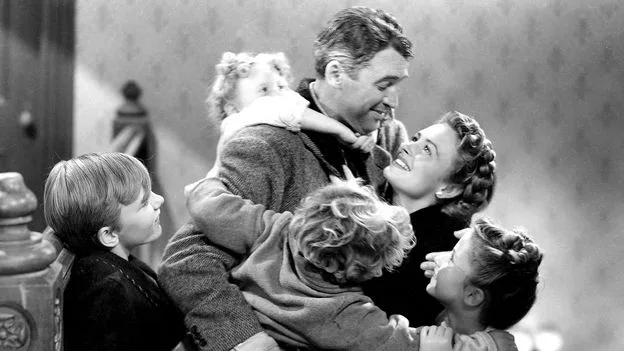
Released in 1946, Frank Capra's 'It's a Wonderful Life' was initially criticised as an 'over-sentimental' Christmas film. Yet, decades later, its exploration of mental health, societal pressures and community has cemented its status as a festive staple.
James Stewart stars as George Bailey, a man contemplating suicide until an angel shows him the impact of his existence. The film's copyright lapse in 1974 led to repeated television broadcasts, solidifying its reputation. Capra, defending it from claims of sentimentality, told the BBC: 'I think it was probably the strongest picture I've made.'
The film broke from Capra's earlier 'Capra-corn' style by depicting grim struggles of ordinary life. Stewart's portrayal of anxiety and depression was a departure from heroic roles, reflecting his own post-war mental health issues as a veteran. In one scene, George's tears were genuine, as Stewart later recalled feeling 'the loneliness, the hopelessness of people who had nowhere to turn.'

In an era of stoicism, the film's honest depiction of emotional vulnerability resonates today amid mental health conversations. Mary Hatch Bailey, played by Donna Reed, also embodies traditional selflessness, mirroring George's sacrifices.