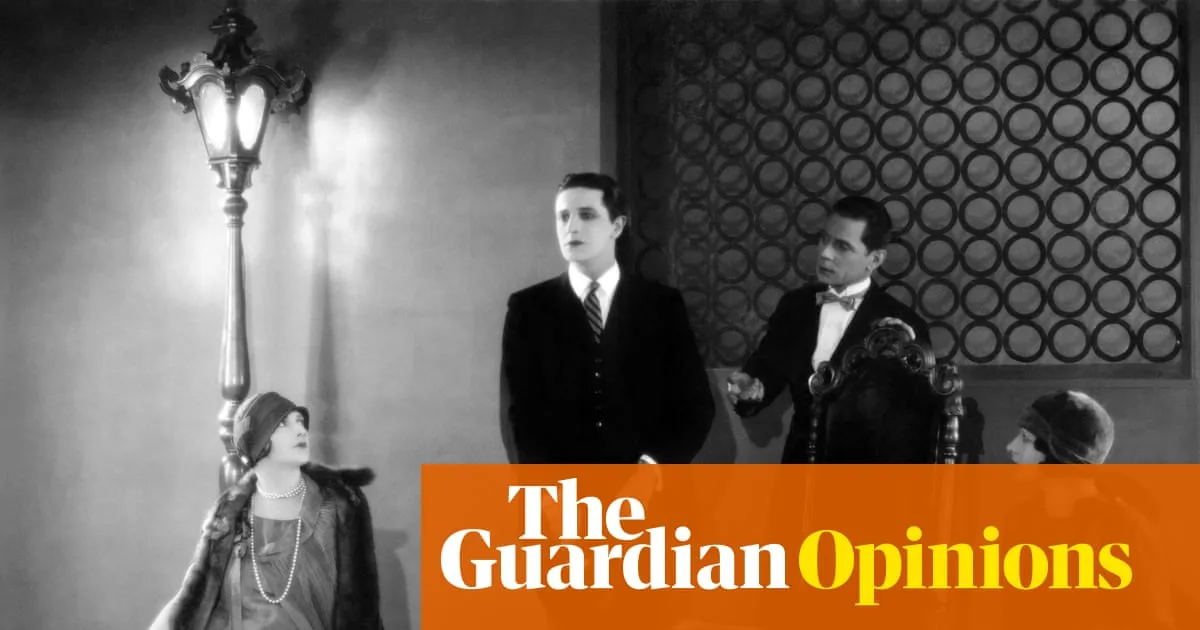
A silent-era classic has been reframed for the vertical scroll of phone screens. The Tattle TV app has announced it will stream Alfred Hitchcock’s 1927 film The Lodger: A Story of the London Fog as a vertical microdrama, described as “one of the first known instances of a classic feature film being fully reframed for vertical, mobile-first consumption”. The film will be split into chapters, with the first few free and the rest requiring payment. However, due to rights issues, the app will only be available to US viewers, not in the UK or EU.
The adaptation raises questions about preserving the original visual style. The Lodger was shot in a squarish 4:3 aspect ratio, but the vertical format will either extend or crop the image, potentially losing parts of the frame. Hitchcock considered this film “the first time I exercised my style” and emphasised “ideas in purely visual terms”. For instance, the opening close-up of a screaming woman, lit to highlight her blond hair, conveys the terror of a ripper targeting golden-haired women. Whether such carefully composed shots remain effective when cropped is debatable.
Hitchcock was known for adapting to new formats, having directed Britain’s first talkie, Blackmail (1929), and later embracing television. However, he understood that new technologies required new techniques. While he might have excelled at microdramas, the format is arguably best left to contemporary creators making original vertical content. Tattle TV’s stated goal is to “introduce iconic cinema to a whole new generation of viewers”, but critics may view this as a gimmick to generate publicity.

There are already many ways to watch The Lodger, including the Criterion Collection Blu-ray with Neil Brand’s score. The move to vertical microdrama may be seen as unnecessary, especially when early British shorts like Mary Jane’s Mishap (1903) were designed for short viewing times and could be more suitable for such a format. Ultimately, while innovation is welcome, repurposing classics without regard for their original composition risks losing the artistry that made them enduring.