The Plastic Detox: Couples' Quest for Pregnancy by Eliminating Plastics
In a groundbreaking new Netflix documentary titled The Plastic Detox, viewers are introduced to couples grappling with unexplained infertility who embark on a radical three-month plan to enhance their fertility by reducing exposure to plastic-related chemicals. The film, which premieres on 16 March, follows epidemiologist Dr. Shanna Swan as she guides six couples through this transformative journey, shedding light on the pervasive impact of endocrine-disrupting chemicals in everyday life.
Desperation and Discovery in Fertility Struggles
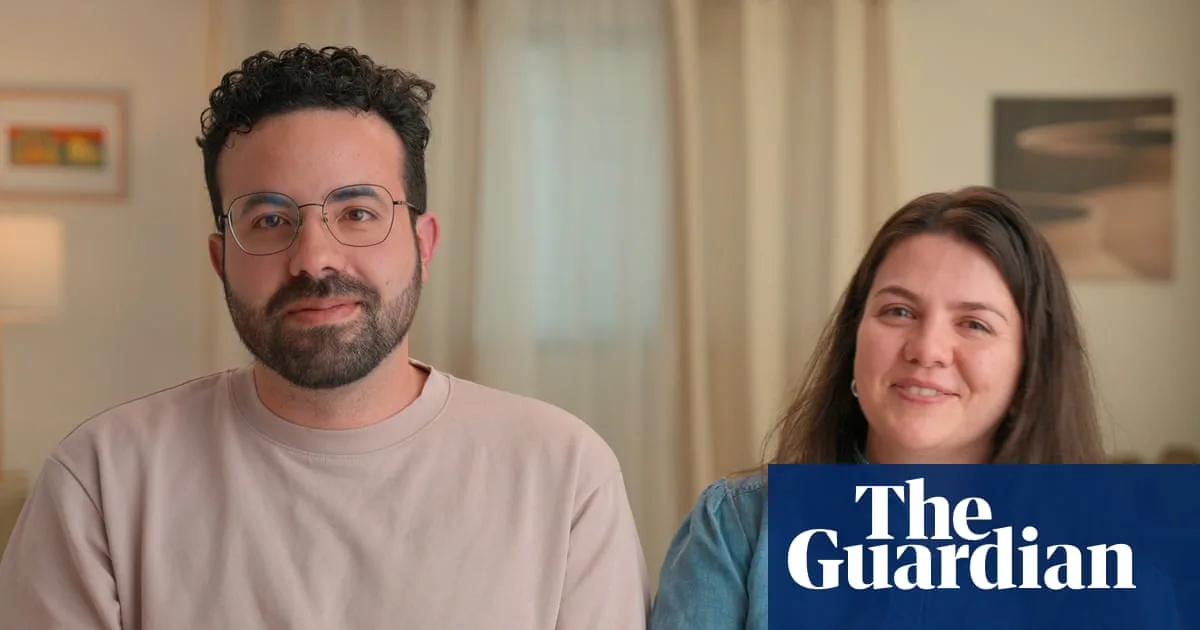
Darby and Jesse Nubbe from Idaho spent two years and over $16,000 on fertility treatments, including blood work, ultrasounds, and genetic testing, only to receive a diagnosis of "unexplained infertility." Like many others, they never considered that common household items, such as water bottles and clothing, could be contributing to their challenges. Dr. Swan's intervention offered a new perspective, emphasizing that toxic chemicals in plastics should not interfere with the basic human right to have children.
The documentary highlights how plastics contain harmful substances like phthalates and bisphenols (BPAs), which are derived from petrochemicals and act as endocrine disruptors. These chemicals are ubiquitous, entering our bodies through ingestion, skin absorption, and inhalation, and they can wreak havoc on hormonal systems, particularly affecting testosterone and sperm production. Studies, including those by the US National Institutes of Health, have documented a global decline in sperm counts over the past 50 years, linking it to these environmental factors.
The Challenges of a Plastic-Free Lifestyle
Detoxing from plastic is no simple task, as these chemicals are found not only in obvious items like bottles and food packaging but also in chewing gum, children's books, and even paper receipts. Dr. Swan advised couples to avoid plastic-packaged foods, synthetic textiles, and fragranced personal care products. For instance, her research found that women using perfumed products had nearly three times higher levels of certain phthalates. A notable recommendation was to steer clear of receipts, many of which contain BPA or similar toxins, with Swan advocating for electronic alternatives.
Eric and Julie Isaac from Miami, who had been trying to conceive for two painful years, described the detox process as overwhelming. "Having Shanna Swan audit your home is like inviting a very sweet hurricane," Eric remarked, noting the difficulty of giving up items like flavored sparkling water in cans, which often have plastic linings. Darby and Jesse found it manageable at home by donating synthetic clothes but struggled with external exposures, such as dinners cooked on Teflon pans or receipts from stores.
Encouraging Results and Broader Implications
While the documentary does not reveal specific pregnancy outcomes, it reports promising results, with bisphenol levels dropping and sperm counts increasing among participants. Dr. Swan cautions that larger studies are needed for definitive conclusions, but she urges couples to avoid plastic products, especially in the kitchen where heat can exacerbate chemical leaching. She believes that simple lifestyle changes can significantly improve reproductive health, as demonstrated by the couples in the film.
The filmmakers, including co-director Louie Psihoyos, stress that they are not against plastic itself but rather the harmful additives. They call for regulatory changes, pointing out that the EU bans over 1,100 personal care chemicals compared to fewer than a dozen in the US. With global plastic production expected to triple in the next 40 years, Swan warns of a systemic crisis that could threaten human reproduction, emphasizing that the effects of these chemicals can span generations.
Lasting Lifestyle Changes and Personal Benefits
Despite the challenges, the couples have embraced lasting positive changes. Darby and Jesse focused on home-cooking with whole foods, leading to improved energy, mood, and financial savings. Eric and Julie maintained most adjustments, noting better sleep, weight loss, and enhanced focus after removing fragranced products. Eric humorously admitted to occasional restaurant meals, but overall, the detox has fostered a healthier, more mindful lifestyle for all involved.
The Plastic Detox offers a compelling look at the intersection of environmental health and fertility, encouraging viewers to reconsider their daily habits for the sake of future generations.