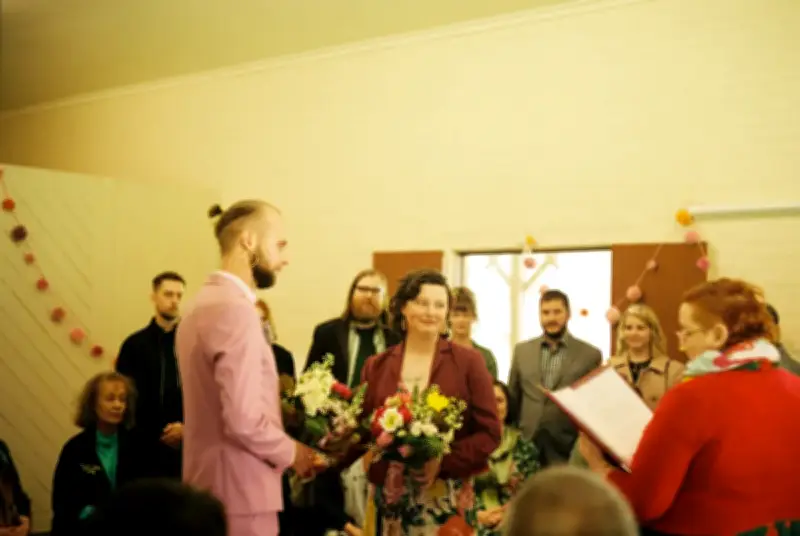
After 17 years as a civil marriage celebrant, Jasper Peach has left the profession, citing growing unease with the institution of marriage, concerns about safety, and a career shift to writing.
A career born from a desire to understand love
Peach became a celebrant in the mid-2000s after an injury ended a career in Auslan interpreting. Studying to become a celebrant felt logical: 'I wanted to know what love was, and I knew it could show me.' The role required a Certificate III and a rigorous application process, including proving 'good standing' and belief in 'the definition of marriage'. As a 'card-carrying homosexual', Peach wrote about believing in all kinds of love, including marriage, expecting recognition of committed partnerships to come soon. It took a 'long, loathsome decade'.
The intimate work of ceremonies
Peach loved the detail-oriented nature of the role: legal requirements, stagecraft, varied workplaces, and public speaking. 'The more I became myself, the more my couples reflected that.' The favourite part was sitting with couples at kitchen tables, discussing their lives and reasons for marrying, leaning into silence so they could surprise themselves. Wedding days were 'extraordinarily intimate', absorbing the couple's hope and intention, then riding that emotional high for hours.

The industry changed over time. Initially dominated by retirees with strong opinions, it later became more collaborative, with younger celebrants sharing advice and emergency cover.
Growing unease and departure
Peach conducted mass illegal ceremonies on the steps of the registry office in Naarm campaigning for marriage equality, but bristled at the phrase 'gay marriage' once it arrived. Despite supporting the right to marry, Peach became uneasy: too many officiated marriages ended following intimate partner violence, leading to sleepless nights over signing paperwork that complicated leaving abusive relationships.
Across 17 years, the most common reason couples gave for marrying was tradition or marking a milestone. But promises made during ceremonies were not always honoured. Several factors converged: Covid-19 made weddings dangerous for Peach's 'glittery lungs', using a birth name at work felt dishonest during ceremonies about truth, and writing was becoming a career. When the registration invoice arrived, Peach's wife encouraged backing away.
Peach now believes in love more than ever, but inclusive of safety, autonomy, and freedom to leave. 'I don’t miss celebrancy at all.' The uniform is now Crocs and overalls, with dopamine coming from tending a own love story rather than borrowing sparks. Attending enough weddings for several lifetimes was an extraordinary privilege, but Peach is 'equally happy to have left it behind'.