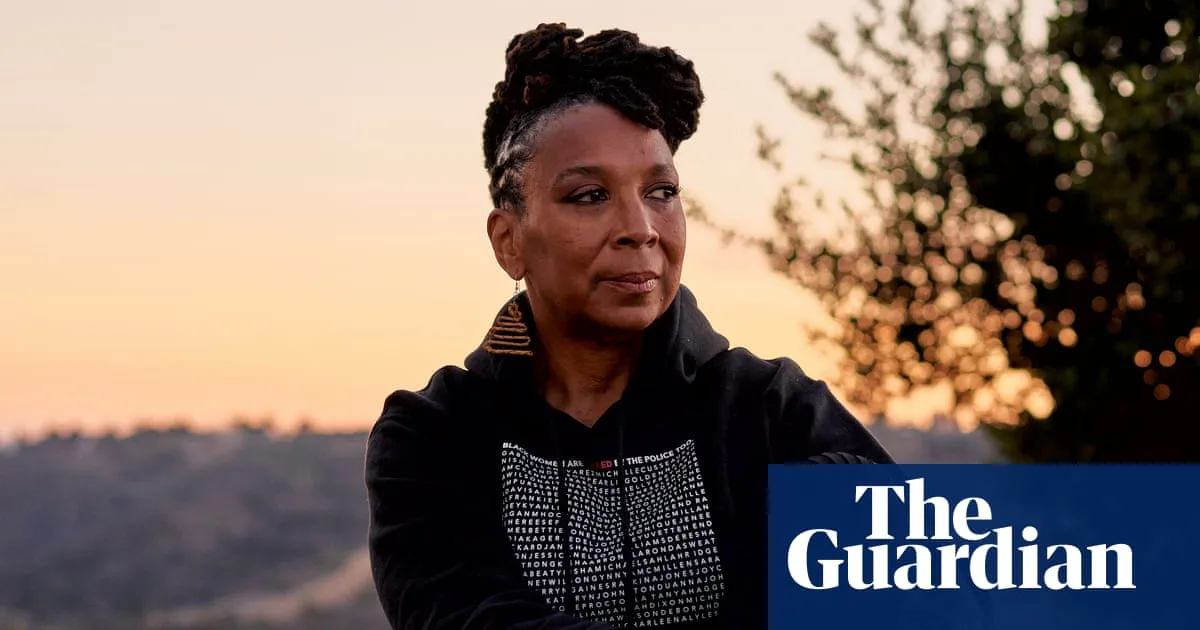
Backtalker by Kimberlé Crenshaw Review: A Life of Hope and Resistance
Backtalker Review: Kimberlé Crenshaw's Inspiring Memoir

Kimberlé Crenshaw's memoir, Backtalker, is a powerful account of a life shadowed by Jim Crow segregation and racism, yet illuminated by hope. The legal scholar and activist who coined the term 'intersectionality' traces her journey from a childhood in Canton, Ohio, to becoming a transformative figure in law and social justice.

Early Life and Family Resilience

Crenshaw's early years were marked by the 'well of thoughtless devaluation faced by little Black girls.' Her family's extraordinary grit and determination kept them from being destroyed by the social conditions that devastated so many others. The memoir recounts how white families fled her neighborhood after her family moved in, a story familiar to her mother, Mariam, who as a child in the 1920s was forced out of a segregated pool—later drained and filled with concrete after Black families protested.

The Power of Backtalking

'Backtalking' is Crenshaw's term for speaking out against injustice, a practice she honed from age five when she was allowed to portray a witch but not a princess in a school play. Decades later, she talked back to Harvard's law dean when he asked if she wouldn't prefer 'an excellent white professor over a mediocre Black one.' For Crenshaw, backtalking is resilience in struggle, sometimes painfully directed at loved ones.

Wide Pickt banner — collaborative shopping lists app for Telegram, phone mockup with grocery list

Legal Inspiration and Intersectionality

The law was revered in Crenshaw's household as 'the abracadabra to push back shadows' of inequity. Her father, a teacher turned law student, inspired her, though his sudden death left the family dependent on rental income from properties her mother inherited. The city used eminent domain to seize those properties, paying 'pennies on the dollar,' a legally sanctioned form of dispossession that Crenshaw later recognized as systemic.

After high school, Crenshaw attended Cornell University, where reading Derrick Bell's Race, Racism, and American Law transformed her understanding: 'Law was not merely incidental to the racial order—it helped to structure it.' At Harvard Law in 1981, she joined protests to reinstate Bell's course and push for hiring Black faculty.

The Birth of Intersectionality

In 1984, while at the University of Wisconsin Law School, Crenshaw studied employment discrimination cases involving Black women. The case of Emma DeGraffenreid, who sued General Motors under Title VII, was dismissed because the company hired white women (for clerical jobs) and Black men (for manual labor)—but not Black women. This revealed that anti-discrimination law failed to address the intersection of race and sex, giving rise to Crenshaw's concept of intersectionality.

A Front-Row Seat to History

Crenshaw's memoir offers vivid accounts of her involvement in pivotal events: the Clarence Thomas confirmation hearings, the OJ Simpson trial, and Barack Obama's election. Her life is not only well-lived but instructive. Dorothy A. Brown, professor of law at Georgetown University, calls Backtalker 'a life worth learning about.'

Backtalker by Kimberlé Williams Crenshaw is published by Allen Lane (£25).

Pickt after-article banner — collaborative shopping lists app with family illustration