From Malfunctions to Messages: How Super Bowl Halftime Became America's Cultural Battleground
For a spectacle that lasts roughly thirteen minutes, the Super Bowl halftime performance has consistently generated decades of intense conversation and cultural analysis. What began as simple entertainment has transformed into one of America's most scrutinised television events, where every gesture, costume choice, and lyric is magnified and dissected on a global scale.
The Evolution of a Cultural Flashpoint
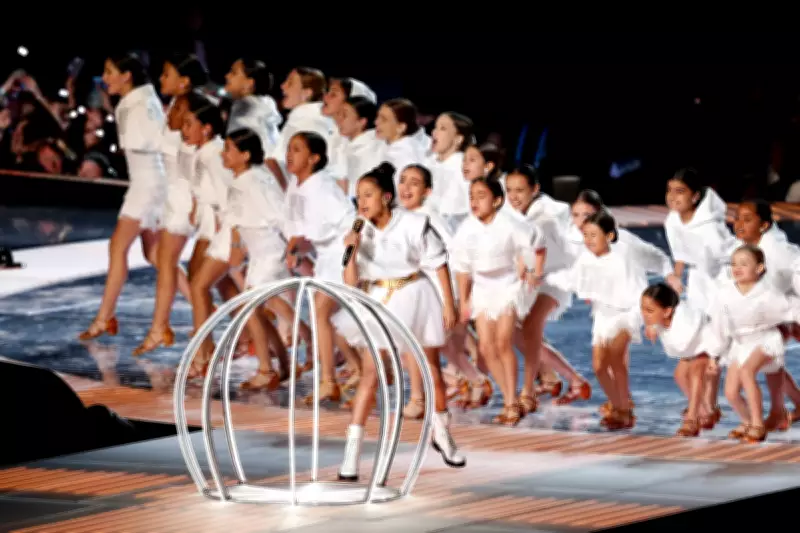
Sometimes the spark ignites from a single, infamous moment—as occurred with Janet Jackson and Justin Timberlake's 2004 "wardrobe malfunction" that triggered a nationwide broadcast reckoning. On other occasions, the controversy arrives through deliberate imagery and artistic intent, from Jennifer Lopez's 2020 staging featuring caged children critiquing U.S. immigration policies to Kendrick Lamar's meticulously layered narratives exploring Black identity and power structures.
The halftime show magnifies everything—fashion statements, choreographic decisions, symbolic staging—and invites interpretation on a scale few performing artists ever experience. This rich history forms the essential backdrop as artists like Bad Bunny prepare to take the halftime stage, moments that place Latin identity squarely at the centre of America's most-watched television event. The conversation surrounding such performances consistently extends far beyond mere musical appreciation, touching upon language, culture, and the delicate balance between artistic expression and the tight oversight traditionally exercised by the National Football League.

Defining Moments of Controversy and Commentary
The Enduring Legacy of the "Wardrobe Malfunction"
The most persistent halftime controversy unfolded during Super Bowl XXXVIII in Houston, when Justin Timberlake's tug on Janet Jackson's costume briefly revealed her right breast, adorned with a decorative shield. Timberlake later termed it an unintended "wardrobe malfunction," a phrase that permanently entered the pop-culture lexicon. The reaction proved immediate and far-reaching, prompting Federal Communications Commission scrutiny, congressional attention, and a fundamental reevaluation of live television broadcast standards. CBS faced a $550,000 FCC fine, later overturned, while networks expanded their use of broadcast delays for major live events.
The professional consequences, however, were starkly uneven. Jackson was disinvited from the following week's Grammy Awards telecast and largely retreated from the public spotlight, while Timberlake's career continued uninterrupted. This disparity in treatment wasn't forgotten; when the NFL announced Timberlake's return to the halftime stage in 2018, it reignited heated debate about perceived racial and gender double standards, with online campaigns like #JusticeForJanet reframing the incident through a broader cultural lens.
Beyoncé's "Formation" and Political Symbolism
When Beyoncé performed "Formation" during the 2016 halftime show, the spectacle became an unmistakable moment of cultural declaration. Set in the Bay Area, the performance leaned powerfully into Black history and identity. Dancers appeared in Black Panther-inspired attire, raised clenched fists, and formed symbolic shapes on the field as Beyoncé delivered lyrics celebrating Black features and pride. The imagery deliberately echoed decades of Black activism, from civil rights-era protests to contemporary calls for social justice.
The performance drew widespread acclaim for its artistic clarity while simultaneously sparking criticism from conservative commentators and some law enforcement groups who accused it of promoting anti-police sentiment. With an audience exceeding 110 million viewers, the debate rapidly moved beyond the stadium confines, demonstrating the halftime show's unique power to shape national conversations.
Testing the Boundaries: Defiance on a Global Stage
The NFL has historically maintained strict guardrails around halftime content, particularly when performances edge toward overt political commentary. Nevertheless, numerous artists have chosen to test—and occasionally ignore—those established limits.

Ahead of Jennifer Lopez's 2020 performance with Shakira, the league expressed concerns about a segment widely interpreted as referencing children held in immigration detention facilities. The NFL reportedly asked Lopez to cut imagery featuring children in cages, a direct critique of U.S. immigration policies. She refused and proceeded with the powerful visual symbolism.
Similarly, during the 2022 hip-hop celebration featuring Dr. Dre, Snoop Dogg, and Eminem, the latter concluded his performance of "Lose Yourself" by dramatically taking a knee and lowering his head—a gesture widely interpreted as a tribute to Colin Kaepernick. Reports suggested the NFL had discouraged the move, though the league later disputed this account.
Other defiant moments include Madonna's 2012 halftime set, where guest performer M.I.A. flashed a middle finger toward the camera, prompting immediate regulatory attention, a fine, and a subsequent legal dispute with the NFL that ended in a confidential settlement.
The Halftime Show as Controlled Narrative Space
Artists like Kendrick Lamar have increasingly treated the halftime stage as a meticulously controlled narrative space. His recent performance unfolded with cinematic precision, using choreography, costuming, and staging to explore complex themes of identity, power, and public perception. Dancers dressed in red, white, and blue framed the action, while Samuel L. Jackson appeared as an "Uncle Sam" figure interrupting with pointed commentary about playing "the game." This exchange highlighted the enduring tension between artistic expression and commercial expectation that defines modern halftime spectacles.
Even performances staying within league parameters, like Coldplay's 2016 show built around themes of unity and inclusion featuring a rainbow-coloured stage and visible pride flag, spark debate. The reaction reflected broader cultural conversations about representation and visibility in mainstream entertainment.
Ultimately, the Super Bowl halftime show has evolved far beyond its musical roots. It now functions as a unique form of mass visual storytelling that invites interpretation at a scale unmatched by almost any other live global event, ensuring its thirteen minutes will continue to fuel conversation and controversy for decades to come.