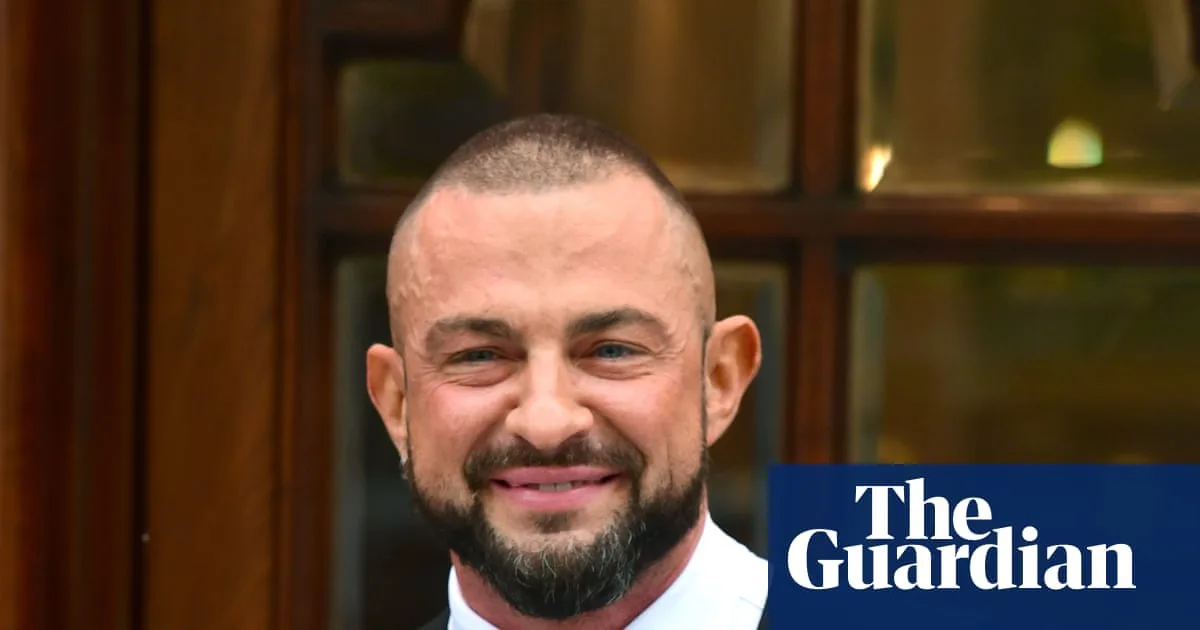
The family of Strictly Come Dancing professional Robin Windsor have expressed their 'profound sadness' after an inquest jury concluded he took his own life. The 44-year-old dancer was found dead in a hotel room in Shepherd's Bush, west London, in February 2024.
Jurors found that Windsor was 'vulnerable to rejection both emotionally and professionally', which was among the 'contributing factors' leading to his death. A statement on Windsor's X account, released after the inquest, acknowledged the cause of death and thanked those who had shown support.
Windsor joined the BBC programme in 2010, dancing with celebrities including Patsy Kensit, Anita Dobson, Lisa Riley, and Deborah Meaden across four series until 2013. He missed the 2014 series due to a back injury and was dropped from the professional lineup in 2015, though he appeared in that year's Christmas special.
A written statement from Emmerdale actor Lisa Riley, read at the inquest, said Windsor's 'glow had gone' after he was cut from the lineup, and he slipped 'deeper and deeper into endless depression'. The coroner, Dr Anton van Dellen, addressed the family, hoping they could remember the happy times Windsor brought to the public.
The BBC expressed deep sadness, noting that Windsor was a much-loved member of the team. Windsor, originally from Ipswich, had been an ambassador for mental health charity Sane. His family urged those struggling with mental health to seek support.