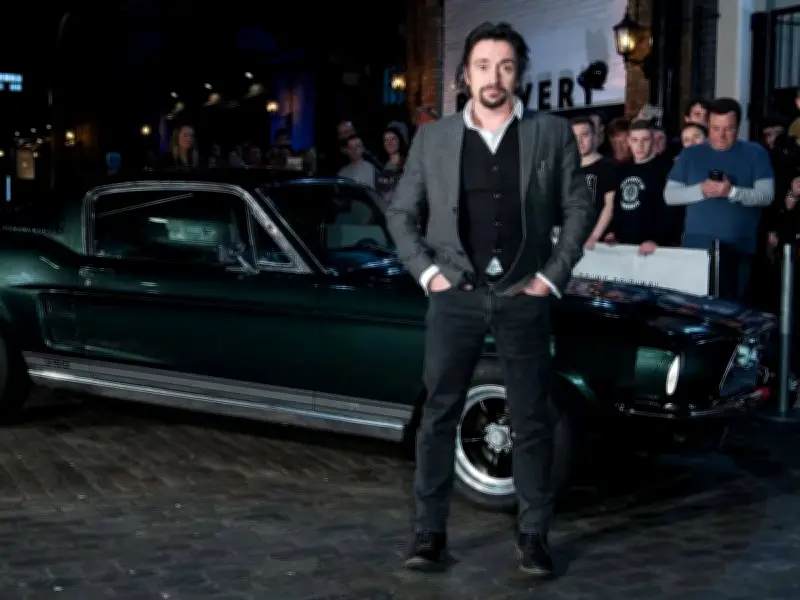
Richard Hammond has revealed that the brain injury he suffered in his near-fatal 2006 crash is "with me forever" and that he fears it could lead to early-onset dementia. The former Grand Tour star, speaking on a joint podcast for High Performance and DRIVETRIBE on YouTube, admitted he is "scared to death" to undergo a brain scan to check for the condition.
Crash Details and Lasting Effects
Hammond was filming a Top Gear segment at Elvington Airfield near York when a tyre on the 320mph, jet-powered Vampire dragster blew out, causing him to veer off the track and leaving him in a coma. He said earlier this year that the accident "wasn't frightening," but he remembered thinking it "simply occurred to me that the next thing on my to-do list was to die."
In 2023, he told the Diary of a CEO podcast he believed the crash could be behind his memory problems, describing it as "not brilliant." He has now suggested in 2026 that little has changed.
Fear of Dementia and Avoiding Scans
When asked whether life would feel different if the crash had never happened, Hammond said the brain injury hasn't gone away and believes it will stay with him permanently. He said: "That, I don't know because that was a lot of time staring out rain-streaked hospital windows contemplating my own sanity and emotional state. Yes."
He added: "And, you know, brain injury is with me forever probably, and I do worry about it, will lead to early-onset dementia. I very much hope not, but it's entirely possible that it could."
Asked whether he had undergone scans to check for the condition, he replied: "No, I'm scared to death to do it, but I absolutely should. No, I absolutely should, but I'm honestly too scared because I do lose stuff a lot. I do forget stuff, but that's probably because I'm 56 and not concentrating. But I should."
20th Anniversary Commemoration
In September, Hammond commemorated 20 years since the Elvington crash and paid tribute to the emergency crews who came to his aid that day. In an Instagram post, he expressed his desire to thank them "from the bottom of my heart" and described himself as "forever grateful" for the assistance he received.
He wrote: "Twenty years ago today, I came to an abrupt stop upside down in a Yorkshire field, convinced I was about to die." He recalled trying to release the parachute, yet "disaster was, it seemed, my fate," adding: "Having done everything I could to avert it, I gave myself over to that fate."