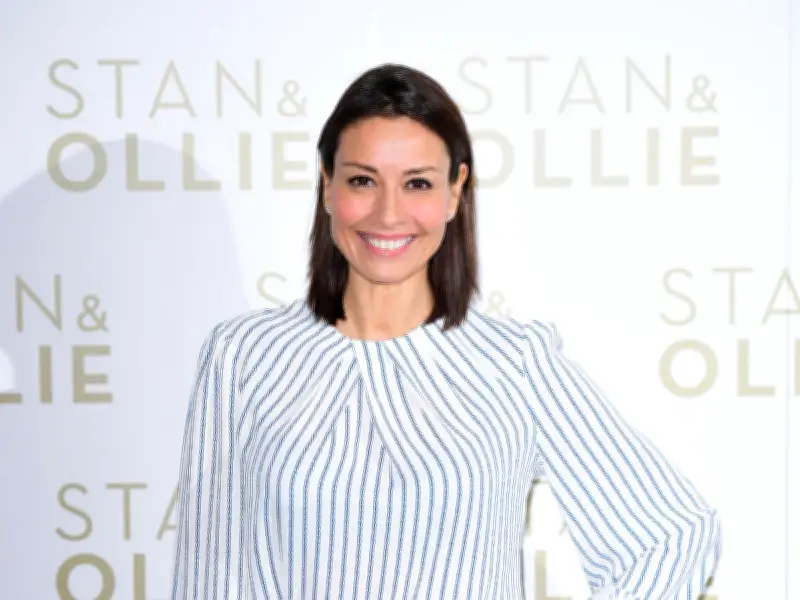
Former TV presenter Melanie Sykes has shared a brave new picture on social media as she continues to open up about living with alopecia. The 55-year-old posted a smiling selfie on Instagram showing her fully bald head, alongside the message: "Loss + Gain = Life."
Positive Outlook Despite Hair Loss
The former model appeared upbeat as she reflected on her journey, adding: "Life is so good, and I know it because I'm right here, right now, and there's nothing to fear. There is nothing to fear."
The post comes after Melanie revealed she had lost around two-thirds of her hair as a result of the condition, having previously shared images showing significant bald patches on both sides of her head.
Speaking about her diagnosis, she said: "I'm two-thirds bald, really. Every time I say I'm bald I laugh, I don't know why... Thank God I can laugh."
Autoimmune Condition and Inflammation
Melanie has previously explained she is also dealing with an autoimmune condition and ongoing inflammation. She said: "I've got an autoimmune condition, I am losing my hair, I keep having crazy inflammation all over and I am working on healing."
Melanie has linked her health issues to stress, saying symptoms worsened following media attention surrounding allegations against TV chef Gino D'Acampo, with whom she worked on ITV's Let's Do Lunch with Gino and Mel. She said the experience left her with PTSD and that she also developed heart problems during the period.
Despite the challenges, the presenter has remained positive, telling fans: "Don't worry about me, I've got me. I've always got me."
What is Alopecia?
Alopecia is the medical term for hair loss. It can affect the scalp, face or other parts of the body and may be temporary or permanent depending on the cause. One of the most common forms is alopecia areata, an autoimmune condition in which the body's immune system mistakenly attacks healthy hair follicles, causing hair to fall out in patches. In some people, the condition can progress to complete hair loss on the scalp, known as alopecia totalis, or, more rarely, complete loss of hair across the body, known as alopecia universalis.
Hair loss can also be caused by factors including stress, hormonal changes, certain medications, medical treatments, nutritional deficiencies and underlying health conditions.
Symptoms of Alopecia
Symptoms vary depending on the type of alopecia but may include sudden patchy hair loss on the scalp, gradual thinning of hair, increased hair shedding when brushing or washing, loss of eyebrows, eyelashes or body hair, and complete hair loss in more severe cases. For many people, alopecia can also have a significant emotional impact, affecting confidence and mental wellbeing.
Treatment Options
There is currently no cure for alopecia, but treatments may help encourage hair regrowth in some cases. Depending on the cause, doctors may recommend steroid injections, topical creams or medications that suppress the immune response. If hair loss is linked to another health condition, treating the underlying cause may improve symptoms. Anyone who experiences sudden or unexplained hair loss should speak to their GP or a dermatologist for assessment and advice.