Marilyn Monroe at 100: The Political Radical Behind the Hollywood Icon
Marilyn Monroe at 100: Political Radical Behind the Icon (01.06.2026)

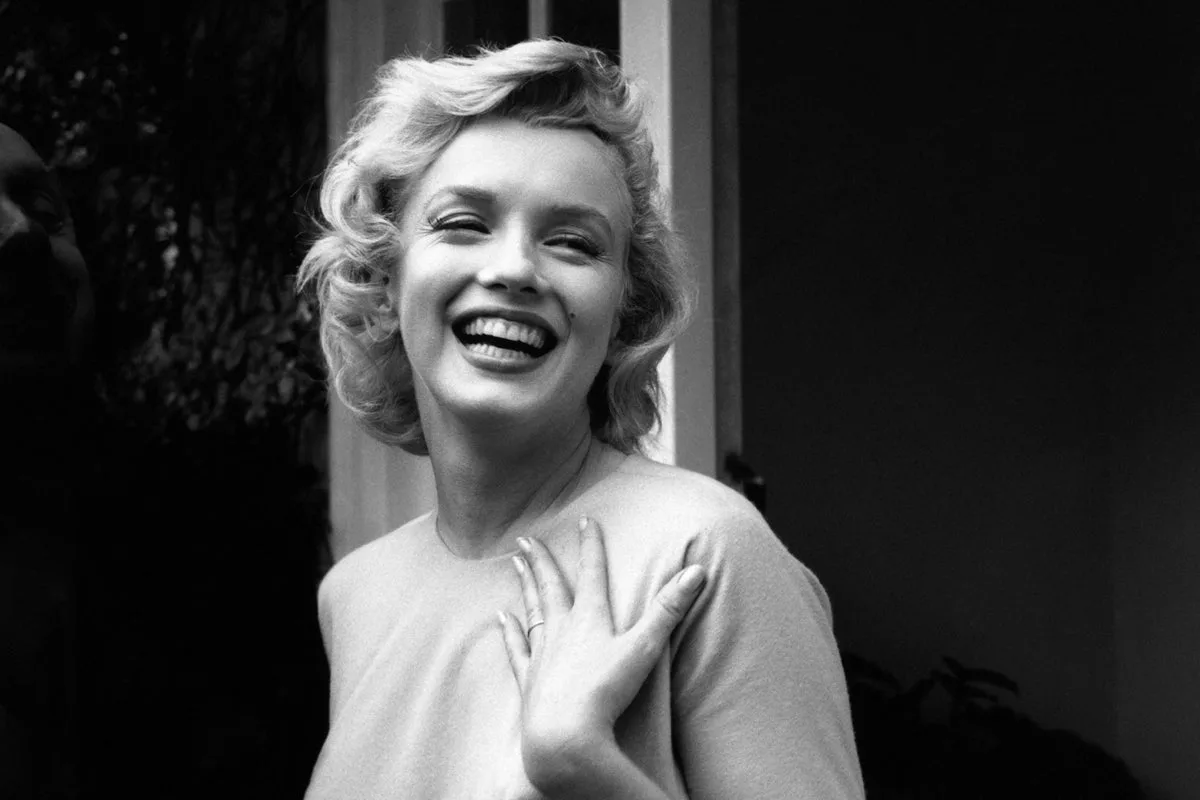
As the centenary of Marilyn Monroe's birth approaches, the image that endures in the public imagination has been largely stripped of voice and agency. What remains are images: the iconic moments from her films, photographs by celebrated figures like Richard Avedon and Eve Arnold, and artworks inspired by equally iconic artists like Andy Warhol. Yet behind this glamorous facade lay a hardworking, politically engaged woman who recognized and struggled against the inequities of the American society that both adored and denigrated her.

The Duality of Monroe's Image

"I can be smart when it matters, but most men don't like it," says Lorelei Lee in the 1953 comedy musical Gentlemen Prefer Blondes. This famous quip from Howard Hawks' film sums up the fate of the star who uttered it. Monroe confronted the pitilessness of the 1950s Hollywood studio system during her short career as an actor (1946–1962). Today she is primarily remembered for her highly sexualized glamorous star image rather than her intelligence, skill, and political acumen.

Monroe crystallized a certain vision of 1950s femininity that chimed with the decade's ambivalent attitude towards female independence—fascinated by but also wary of women's increasingly public displays of sexuality. Even when Monroe was alive, people close to her frequently claimed that there was no artistry behind her cinematic roles, rather that she was simply "playing herself." Director Fritz Lang remarked that she simply knew what effect she was having on men, nothing more. Playwright Arthur Miller, her third husband, said that "in everything she did, she was herself." Joshua Logan, the director of her 1956 film Bus Stop, admired her comic timing, but she longed to play serious roles too.

Wide Pickt banner — collaborative shopping lists app for Telegram, phone mockup with grocery list

Monroe herself both accepted and rebelled against her sex symbol image, understanding the power it gave her but rejecting its dehumanizing qualities. "That's the trouble, a sex symbol becomes a thing," she stated. "I just hate being a thing. But if I'm going to be a symbol of something I'd rather have it be sex than some other things we've got symbols of."

Fighting the Power

In 1946, becoming a pin-up enabled Norma Jean Baker (Monroe's birth name) to escape a working-class existence and pull herself up into a different world. She knew that her stardom was largely a result of her appeal to young servicemen conscripted into war in Korea, including African-Americans. She used her star power to fight the racism, classism, and sexism of the structures she worked within.

In 1954, she forced the owners of Hollywood nightclub Mocambo to honor a contract with singer Ella Fitzgerald they threatened to break. In a 1972 interview with Ms. Magazine, Fitzgerald explained: "I owe Marilyn Monroe a real debt. It was because of her that I played the Mocambo, a very popular nightclub in the '50s. She personally called the owner of the Mocambo, Charlie Morrison, and told him she wanted me booked immediately, and if he would do it, she would take a front table every night. She told him—and it was true, due to Marilyn's superstar status—that the press would go wild. The owner said yes, and Marilyn was there, front table, every night. The press went overboard … After that, I never had to play a small jazz club again."

In 1956, Monroe supported her then-husband, Miller, in his refusal to name names to the House Committee on Un-American Activities headed up by the notorious Senator Joseph McCarthy in the attempt to remove perceived Communist influence in Hollywood. In 1960, she wrote to New York Times editor Lester Markel, a friend of hers, expressing her support of Fidel Castro in Cuba.

Rebelling Against Typecasting

Monroe also rebelled as soon as she could against being typecast as a dumb blonde. When executives at 20th Century Fox, the studio to which she was under contract, refused to cast her in dramatic roles, even after her brilliant performance in The Seven Year Itch, she announced the formation of her own production company, Marilyn Monroe Productions, in January 1955. She was president and her friend and photographer Milton Greene was the vice-president. Fox sued her for breach of contract.

Pickt after-article banner — collaborative shopping lists app with family illustration

Monroe and Fox finally settled on a non-exclusive deal that compensated Monroe for her past earnings and gave her control over future projects. Although Monroe herself did not survive long enough for her production company to make a significant cultural impact, her move paved the way for future female stars, such as Margot Robbie and Reese Witherspoon, to control their careers and the roles they are offered through founding production companies.

Legacy of a Political Radical

Monroe died before the flourishing of civil rights movements and women's liberation in America. But in her actions, she anticipated their promotion of a fairer and more equal society. She is one of the 20th century's most enduring icons. However, while she is remembered for her wiggling walk, childlike voice, and pouty lips, behind this glamorous facade lay a hardworking, politically engaged woman who recognized and struggled against the inequities of the American society that both adored and denigrated her.