Comedian and Celebrity Traitors star Lucy Beaumont has criticised private clinics for profiting from 'middle-class creatives like me who are just messy and unorganised' by diagnosing them with disorders. She has called on the government to help more young people get diagnosed with ADHD on the NHS rather than in expensive private clinics, where many families often go for an assessment due to long NHS waiting lists.
Diagnosis 'unhelpful' and 'made me worse'
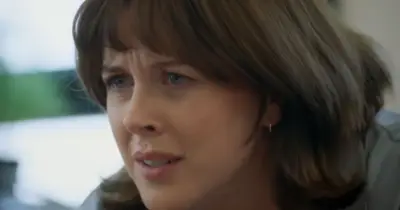
During her 2023 appearance on The Great Celebrity Bake Off: Stand Up To Cancer, Lucy felt her cake-making was so chaotic that she should seek medical advice. She went to a clinic and was subsequently diagnosed with ADHD, even though she says “I didn't really believe I had it.”
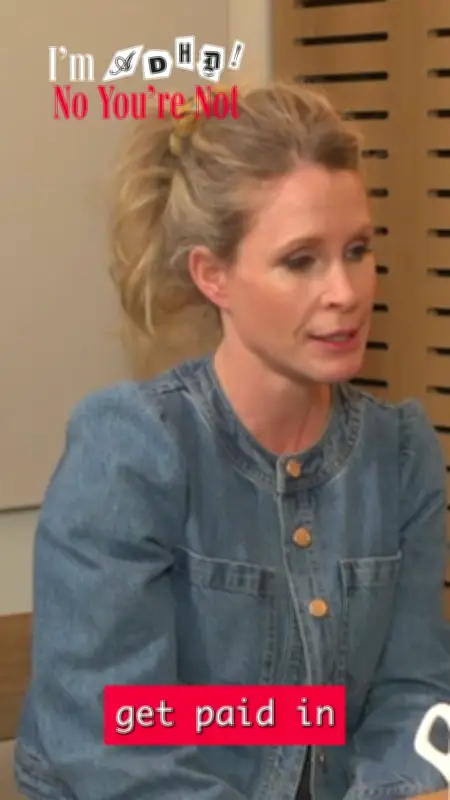
Talking to Dr Mine Conkbayir and Paul Whitehouse on their podcast I'm ADHD! No You're Not, Lucy said: “I've gone on a bit of a journey with it, really. And where I'm at now with it is that I think it [the diagnosis] is really unhelpful, and I think it's made me worse.”
She adds: “I feel angry because I'm like, I don't think I needed to get [diagnosed]. Now I think is like I've been told I've got something wrong with me.”
Call for NHS support for children
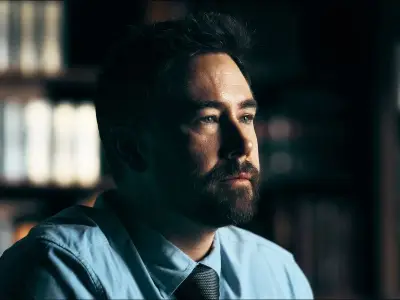
Lucy, who used to be a teaching assistant and who this week revealed that she was a whistleblower in The Guardian and ITV News investigation into comedian David Walliams, said: “The government should say, 'For every five private you give a, you know, diagnosis, you have to diagnose one child on the NHS. You [private clinics] can't make this amount of money from it.”
As a former trainee teacher, she believes that there are many children who need extra support at school, and that support comes via a diagnosis. “They need the diagnosis for the support. It doesn't matter what the diagnosis is. It's just that it gives that extra support,” she says.
Teaching career and the role of teaching assistants
Lucy, who was born and brought up in Hull, East Yorkshire, was on a training course to be a teacher until she decided that she wasn't 'cut out' for it. She describes how she would 'crumble' because of the organisation involved and also because of the pressure of the coursework.
She remembers how she froze in a crucial meeting to become a teacher, despite being 'fast-tracked' because of her teacher training experience. She recalls: “I walked in and I couldn't speak. I thought that's what I wanted to do, and I didn't have a voice, it just wouldn't come out. We had to stop. I was like, 'I can't speak.' And it was the only time it's ever happened in my life.
“Fundamentally, like, my body knew, you can't do this…it isn't what you wanna do, you know? You're doing it because, you know, you think you should. I've never had anything like that happen since. So I couldn't keep up with it.”
She praises the many female teaching assistants who are close to retirement age, and explains that they are often the only people who can afford to do the job. Lucy recalls how she was paid £11,000 pro-rata and would only get paid in term time.
“They're worth their weight in gold - especially in some of the under-served schools, because they're living in the community,” she says. “And sometimes they'll have known three generations of the family. But they're dying out, they're retiring.”
Smartphones and social media blamed
Lucy blames smartphones and social media for causing her ADHD. She says: “Everyone seems to be struggling mentally if they're on social media and I think smartphones are the problem.
“Then I'm like, well I think my smartphone is giving me ADHD. I think I always was messy. I always was in the moment, so couldn't think outside the box, but why have I got worse? I've got worse since I've had a smartphone.”