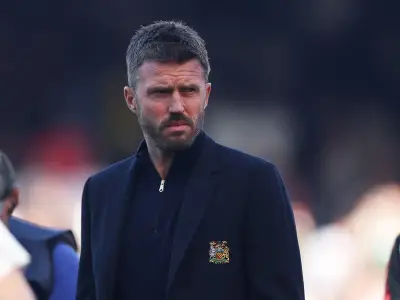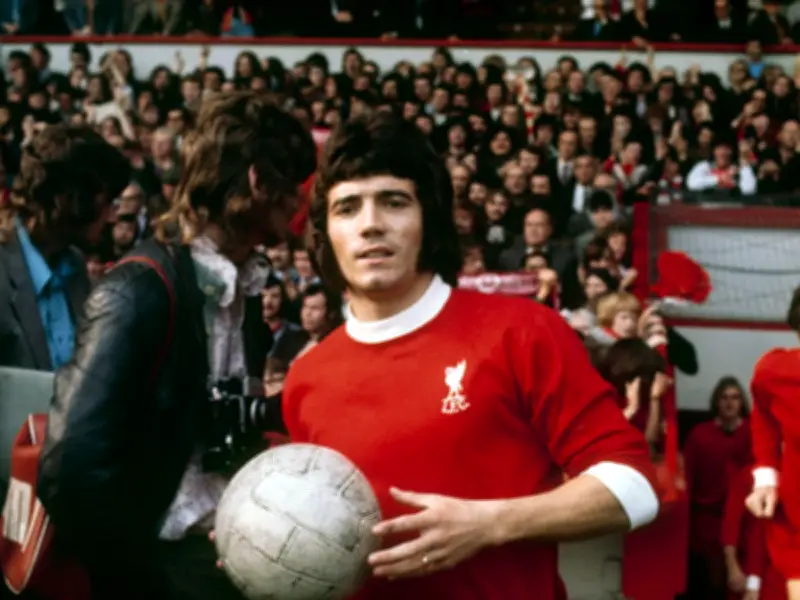
Kevin Keegan, who has died aged 75, was football's first modern superstar. In the 1970s and early 1980s he was one of the faces of the English game, instantly recognisable in every British household. Twice the European Footballer of the Year, he defined the image of the clean-cut, TV-friendly hero whose appeal transcended his many achievements on the pitch.
A Manager's Legacy
As a manager, his Newcastle United team produced some of the most thrilling football the Premier League has ever seen. And he more than earned the right to lead his country. There were high points of his England tenure. But nothing summed the man up as much as the manner in which he left a job he clearly loved so much.
The Humble Exit
His words, after England succumbed to defeat to Germany at a rainy Wembley in October 2000, bear repeating today as tributes flood in. For a man whose impact on the game cannot be overstated, his self-assessment was characterised, as so often, by understatement.
"It's not an easy decision..." he said. "But I feel I fall short of what is required in this massive job. I've got to be truthful to myself. Our first-half performance today left a lot to be desired and, although I knew things were going wrong, I just couldn't think of what to do to put it right."
A Life of Values
For someone who'd reached the absolute heights of the game to speak with such openness, to accept their failings - even perhaps exaggerate them - was admirable. Many in public life could learn from a man whose own political outlook was shaped by being the proud son of a mining family.
While his talent took him around the globe and earned him many of the trappings of celebrity, he was never anything other than true to himself and his fundamental values of decency, honesty and hard work. Passionate, articulate, curious about the world around him, he was sometimes praised as "making the most of his talent". If that's the harshest criticism you face in life - except, perhaps, your own criticism - you're doing something right.
Adored Across Clubs
In Liverpool, Keegan was the poster-boy of an era of unprecedented success. His partnership with John Toshack, his number 7 shirt and his instantly-recognisable look were all indelibly linked with the second, glorious phase of Bill Shankly's time at the club.
He is adored in Newcastle and, of course in Hamburg, a city with so many links to our own, and where he perhaps hit the very heights of his playing career. Most of all, he is loved by anyone who believes a game which is so often unkind, which so often seems to reward arrogance, does not have to breed unkindness or self-importance in those who love it.