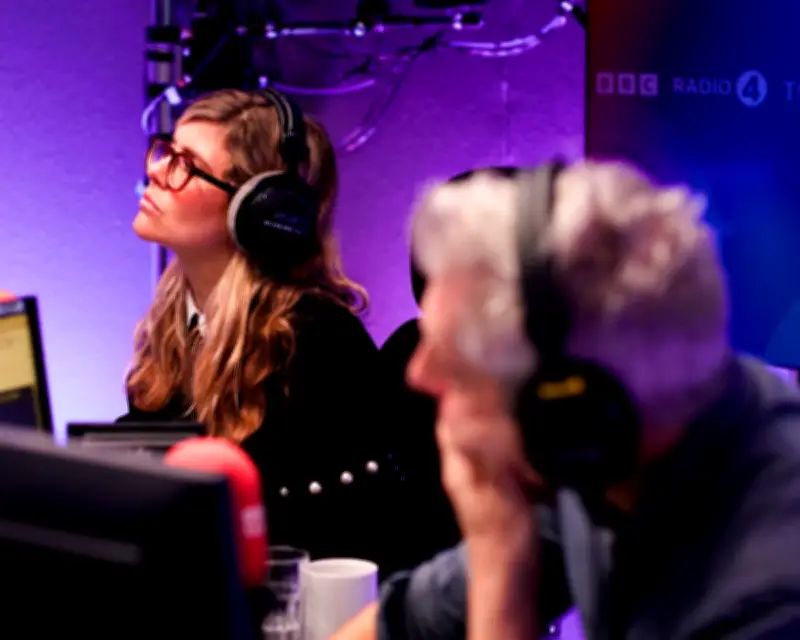
The BBC's flagship Radio 4 news programme, the Today programme, is facing an existential crisis as the corporation prioritises social media platforms like TikTok and Instagram over traditional radio and TV franchises. This policy, described by an anonymous insider as 'an act of vandalism pure and simple,' has sparked fears that the show's relevance to national life is being deliberately undermined.
The edict, which directs BBC correspondents to prioritise digital platforms over legacy outlets, has led to apocalyptic predictions for the programme's future. However, proponents argue that this shift reflects changing news consumption habits, with audiences increasingly turning to short-form video content.
Declining Audiences and Increased Competition
Since its launch 69 years ago, the Today programme has faced growing competition from breakfast television, 5 Live Breakfast, and LBC's Nick Ferrari. Its audience has declined to approximately 800,000 listeners per day, though it still outperforms Ferrari's 300,000 and 5 Live's 200,000. The redirection of correspondents' energies is seen as the BBC adapting to the TikTok-driven evolution of news.
In contrast, Radio 4's The World Tonight, a cheaper but equally venerable franchise, is being phased out entirely as part of cost-cutting measures. This highlights the broader trend of traditional radio programmes being sacrificed for digital expansion.
Internal Tensions and Presenter Dynamics
The Today programme has long been built around iconic duos, from Brian Redhead and John Timpson to Mishal Husain and Justin Webb. However, the impending departure of Amol Rajan will reduce the hosting roster from five to four: Nick Robinson, Justin Webb, Emma Barnett, and Anna Foster. Reports suggest tensions between Robinson and Barnett, who struggle to share a studio, while the pairing of Webb and Foster appears more balanced.
The lack of diversity among the presenters—two white men and two white women—has drawn criticism. 'Four white presenters feels retro,' noted one observer, calling for the return of Mishal Husain, who left the BBC for a lucrative role at Bloomberg.
Leadership and Digital Strategy
BBC News staff have historically been wary of director generals without journalistic backgrounds. Current DG Matt Brittin, a former Google executive, is viewed with suspicion by some internal journalists, who see him as 'Darth Vader joining the Jedi.' However, the digital repositioning is inevitable given changing consumption patterns. The programme's new editor, Rebecca Keating, reportedly wants to encourage more chitchat between presenters that can be clipped for social media.
The pro-change argument posits that big events happen in the 21 hours Today is off-air, making fast-moving news feeds the future. The anti-change side warns that the programme could lose priority access to key correspondents, such as Moscow's Steve Rosenberg, in the event of major news like the death of Vladimir Putin.
Future Prospects
Despite these challenges, the Today programme remains a powerful brand. Its biggest threats come from LBC, 5 Live, and internal presenter conflicts, rather than the order in which correspondents file reports. The show's survival will depend on its ability to adapt to a digital-first world while maintaining its editorial authority and addressing diversity concerns.