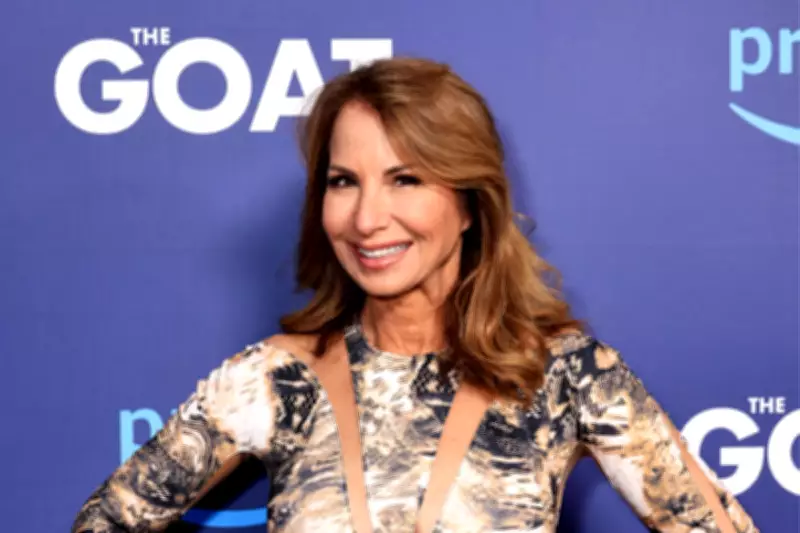
Reality television personality Jill Zarin has ignited a significant controversy following her critical remarks about Bad Bunny's 2026 Super Bowl halftime performance. The former star of The Real Housewives of New York expressed strong disapproval of the show, which was conducted primarily in Spanish and featured a diverse lineup of performers.
Controversial Comments Spark Immediate Outrage
In a now-deleted video posted to her Instagram account, Zarin described the halftime spectacle as the "worst ever" and voiced her dismay that it included "no white people." She went further to interpret the performance as a deliberate "political statement" and controversially labelled it an "ICE thing," a reference to U.S. Immigration and Customs Enforcement.
Additional Remarks on Lady Gaga's Appearance
Zarin also commented on the surprise guest appearance by pop icon Lady Gaga during the show. She suggested that Gaga had undergone a facelift, adding another layer of personal critique to her already inflammatory statements about the performance itself.

Swift Backlash and Deletion of Video
The response from fans, critics, and the broader public was swift and overwhelmingly negative. Many condemned Zarin's comments as insensitive and racially charged, questioning both her relevance in contemporary entertainment circles and the potential impact on her future projects.
Facing mounting pressure and widespread condemnation across social media platforms, Zarin chose to remove the controversial video from her Instagram profile. However, the digital footprint of her remarks had already spread widely, ensuring the story gained significant traction in entertainment and cultural news cycles.
Broader Context of Super Bowl Halftime Show
The 2026 Super Bowl halftime show, headlined by Puerto Rican superstar Bad Bunny, was notable for its celebration of Latin music and culture. The performance featured multiple chart-topping hits performed in Spanish, with special appearances including the unexpected cameo from Lady Gaga that Zarin referenced in her critique.
This incident highlights ongoing tensions in entertainment regarding representation, language, and cultural expression in major televised events. The backlash against Zarin's comments reflects growing public sensitivity to issues of diversity and inclusion in mainstream media programming.