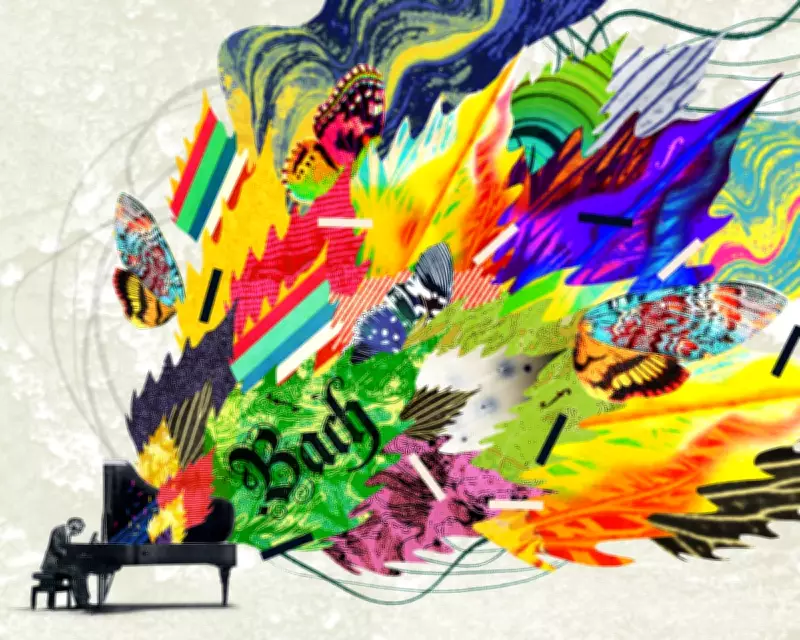
Bach's Compositions Offered Lifeline During Childhood Trauma
A survivor of childhood sexual abuse has shared a powerful testimony about how the classical music of Johann Sebastian Bach became an essential emotional anchor and source of strength during their harrowing experiences. The individual, who has chosen to remain anonymous, described how immersing themselves in Bach's intricate compositions provided a rare sense of safety and control in an otherwise chaotic and frightening environment.
Finding Refuge in Baroque Complexity
The survivor explained that they first encountered Bach's music during early adolescence, a period when the abuse was particularly intense. They found that the mathematical precision and structured beauty of Bach's fugues and cantatas created a mental sanctuary where they could temporarily escape their reality. The predictable patterns and harmonic resolutions offered a stark contrast to the unpredictability and violation they faced daily, becoming what they describe as "an auditory lifeline."
"When everything else felt broken and dangerous, Bach's music felt whole and safe," the survivor recounted. "I would listen for hours, focusing on the counterpoint and following each melodic line. It demanded my full attention, which meant I couldn't think about what was happening to me. In that way, it was protective."

The Therapeutic Power of Musical Structure
Mental health professionals have long recognized music's potential therapeutic benefits for trauma survivors, but this personal account highlights how specific musical qualities can address particular psychological needs. Bach's compositions, with their rigorous formal structures and emotional depth, appear to have provided multiple layers of support:
- Cognitive distraction from traumatic memories through complex auditory processing
- Emotional regulation through predictable harmonic progressions
- A sense of order in contrast to personal chaos
- Non-verbal emotional expression when words felt inadequate or dangerous
The survivor noted that certain pieces, particularly the Goldberg Variations and the Brandenburg Concertos, became personal anthems of resilience. They would mentally replay these works during particularly difficult moments, using the music as an internal resource to maintain composure and perspective.
From Survival Tool to Cultural Passion
What began as a survival mechanism gradually evolved into a genuine cultural passion. As the survivor reached adulthood and began processing their trauma through therapy, their relationship with Bach's music transformed from purely functional to deeply appreciative. They now study music theory and have developed sophisticated understanding of Baroque composition techniques.
"Bach helped me survive, but he also taught me about beauty, complexity, and human creativity," they explained. "In a strange way, the very thing that helped me endure darkness also opened me up to light. I don't think I would have developed this appreciation for classical music without having needed it so desperately first."
This testimony adds to growing understanding about how artistic and cultural resources can serve as crucial coping mechanisms for trauma survivors. While not replacing professional therapeutic interventions, such personal connections to art demonstrate the diverse ways individuals find resilience in challenging circumstances. The survivor hopes their story might encourage others to explore how cultural engagement, whether through music, visual arts, literature, or other forms, might provide similar support during difficult times.