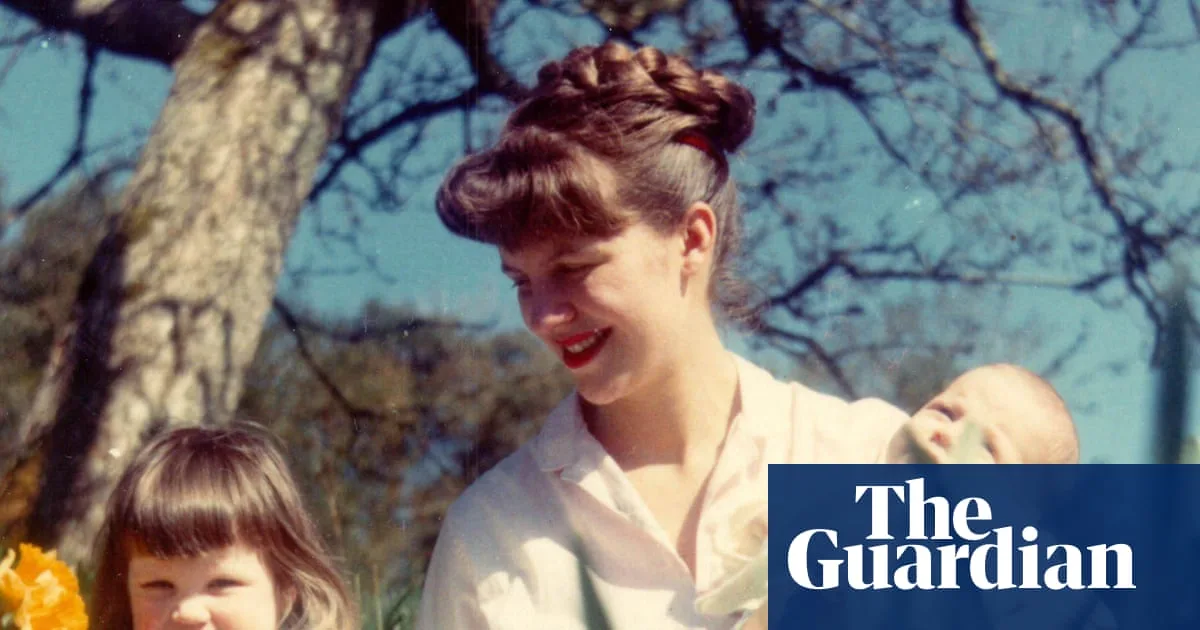
In February 1962, Sylvia Plath visited her neighbour in Devon, Rose Key, with a plate of 'absolutely indigestible Black Walnut-flavored cupcakes' made from a Betty Crocker mix given to her by the bank manager's wife. Plath, scornful of processed food and the British appetite for starch, baked the mix to avoid waste and promptly gave it away.
Plath excelled at cake-baking, as she did at many things. In early 1962, shortly after giving birth to her second child, she was taking Italian, German and French lessons, writing an experimental poem for the BBC Third Programme, sourcing rugs for her new house, and expressing a desire to start woodwork classes. 'My trouble is that I can do an awful lot of stuff well,' she wrote to her former psychiatrist, Ruth Barnhouse Beuscher, in October 1962, after her husband Ted Hughes had moved out.
Plath's domesticity was the same brand she satirised in 'The Bell Jar', written in spring 1961. 'When I was 'happy' domestically I felt a gag down my throat,' she claimed to her friend Ruth Fainlight in October 1962. Yet that same month she hand-painted labels for honey from her first beekeeping summer. This seeming split between her life and work mirrors the broader cultural shift from the 1950s to the 1960s.
In the first week of October 1962, Plath rapidly wrote the 'bee sequence' of poems, the triumphant conclusion to the 'Ariel' manuscript. That same week saw the premiere of the first Bond film and the release of the Beatles' first single, marking what social historian David Kynaston calls the beginning of the 'real' Sixties. Plath's poems from that autumn, such as 'The Applicant' and 'Lady Lazarus', satirise domesticity and assert a resourceful, independent spirit.
Plath wrote to Beuscher: 'I want my career, my children and a free supple life. I hate this growing-pot as much as Ted did.' She edited her work minimally, hardening the language. In an interview that month, she insisted on the poet's duty to 'control and manipulate experience', distancing herself from the confessional poets. By November 1962, she had enjoyed a shopping spree at Jaeger, embracing the new fashions of the decade.