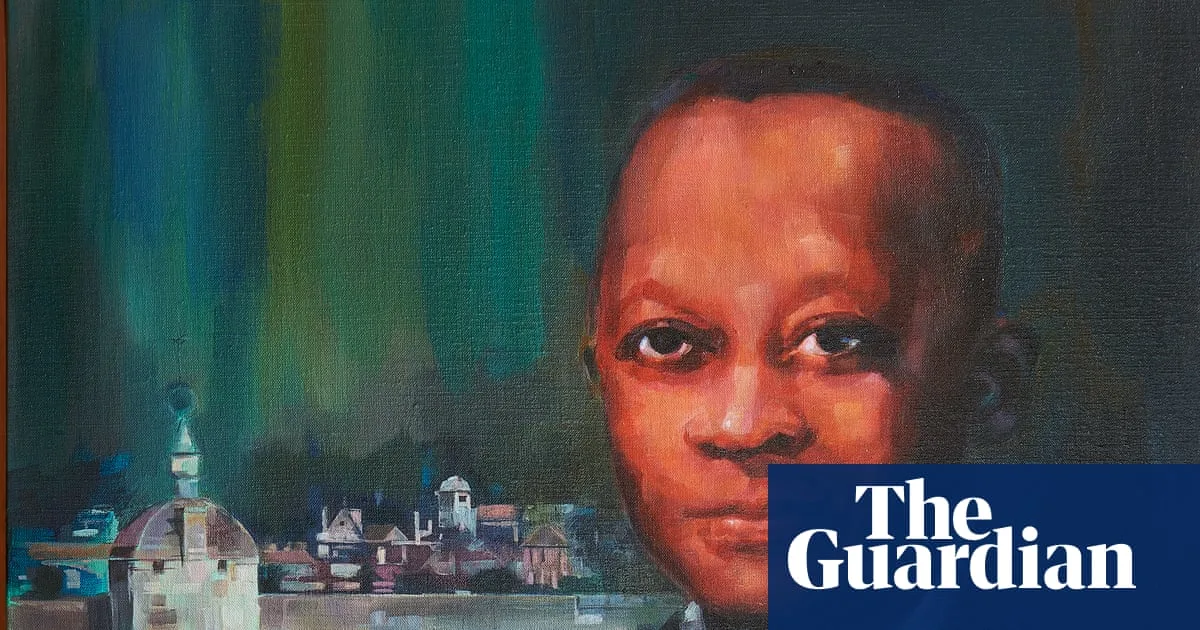
Eric Walrond, a Guyana-born writer of the Harlem Renaissance, has been largely forgotten six decades after his death. Yet his 1924 short story collection Tropic Death is now being rediscovered as a groundbreaking work of Caribbean literature. The book, which earned Walrond a Guggenheim award, offers a brutal counter-pastoral vision of the Caribbean, exposing the racism and exploitation beneath the idyllic surface.
Walrond's stories are set primarily in the Panama Canal Zone and other Caribbean locales, where characters such as farmers, sex workers, and sailors meet violent ends. In one tale, a labourer is shot by a drunken US marine; in another, a boy diving for tourist pennies is devoured by a shark. The most ironic death involves a British plantation owner who rescues a baby, only to be drained of blood by a vampire bat.
Walrond rejected monolithic racial identities, celebrating instead the diverse creole cultures of the Caribbean. He wrote dialogue phonetically in vernacular creole, an unprecedented choice for English-language Caribbean fiction at the time. Despite critical acclaim, Walrond faced opposition from contemporaries like Marcus Garvey, who labelled him a 'literary prostitute', and Claude McKay, who called him a 'rotten imposter'.
After his patron discouraged his next project, Walrond moved to Paris and then London, where he died in obscurity in 1966. Now, a century after Tropic Death's publication, scholars are reappraising his work, recognising it as a vital precursor to later Caribbean literature.