Guardian Readers Spark Historical Debate Over Coffee's Origins
In a playful response to a recent Guardian news item, readers have flooded the letters section with humorous and thought-provoking theories about the history of coffee, tying it to figures like King Henry V and Emperor Nero. The original article, published on April 1st, speculated on whether coffee consumption dates back to the reign of Henry V, but readers have expanded on this with their own imaginative insights.
Archaeological Finds and Roman Connections
David Jeffrey from West Malvern, Worcestershire, points out an oversight in the report, noting an earlier excavation at Maxwell House in the village of Brew. Archaeologist Corr Tardo discovered late Roman amphorae there, suggesting that Nero might have enjoyed a cappuccino as Rome burned. This adds a layer of historical intrigue, hinting at caffeine's possible role in ancient times.
Shakespearean Interpretations and French Insults
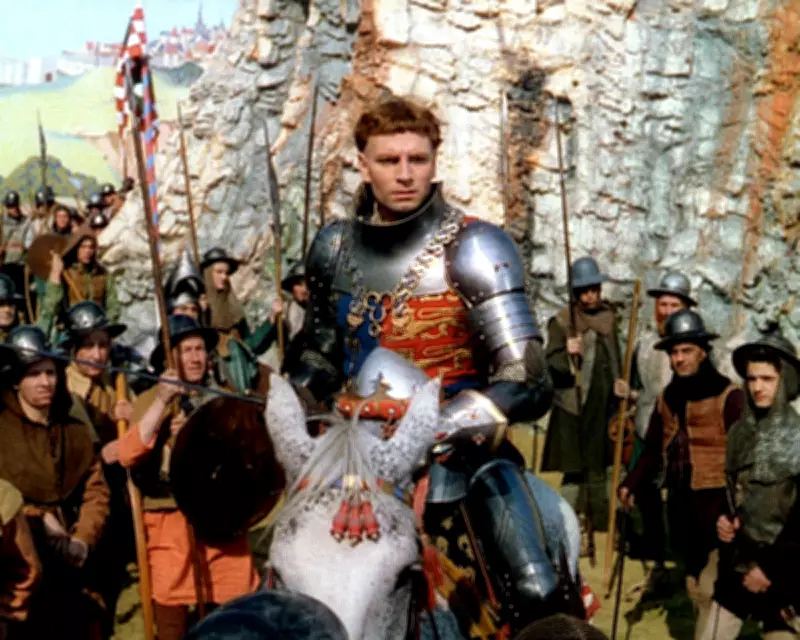
Austen Lynch of Garstang, Lancashire, offers a creative twist on Shakespeare's Henry V. He proposes that the "tun of treasure" offered by the French ambassador could contain coffee beans from San Serriffe, a fictional French protectorate. This, he argues, might imply that King Henry was perceived as a hot-headed, caffeine-fuelled chancer, adding a new dimension to the play's political tensions.

April Fools' Day Pranks and Caffeine Needs
Helen Ryan from Blandford Forum, Dorset, humorously references the discovery of coffee remnants in 15th-century cups during an excavation at the Ness reservoir in east Suffolk, playing on the drought theme. Meanwhile, Glenn Hackney of Stratford-upon-Avon, Warwickshire, admits to briefly falling for a Bob Dylan lyrics April Fools' Day piece, leading to an urgent need for caffeine to restore his wits.
Scepticism and Comparisons to Classic Hoaxes
Lyn Dade of Twickenham, London, questions the authenticity of another April 1st report about King Charles III's US state visit, calling it an April Fools' joke and noting it doesn't compare to the legendary San Serriffe hoax. This highlights readers' awareness of the day's traditions and their engagement with media pranks.
The Guardian encourages readers to share their opinions via email for potential publication in the letters section, fostering ongoing dialogue on topics ranging from April Fools' Day to historical mysteries.