Emily Haworth-Booth's debut novel for adults, Mare, centres on a woman grappling with three intertwined crises: early menopause ending her chance of motherhood, a creative block as a children's book writer, and an unexpected, consuming passion for a horse that is not her own. The narrator pays to ride, feed, groom, and muck out the mare several times a week, and the animal soon becomes the focal point of her life.
The novel opens with reflections on motherhood, contrasting the experiences of mothers who sacrifice their hobbies with the narrator's own decision against having a child, driven by fears of the child's future in a world of climate catastrophe. After menopause confirms her childlessness, she feels unmoored, avoids her mother, and struggles to connect with friends who are mothers. She befriends her neighbour's children, whom she calls 'not-my-daughter' and 'also-not-my-daughter', but feels lost when they return home.
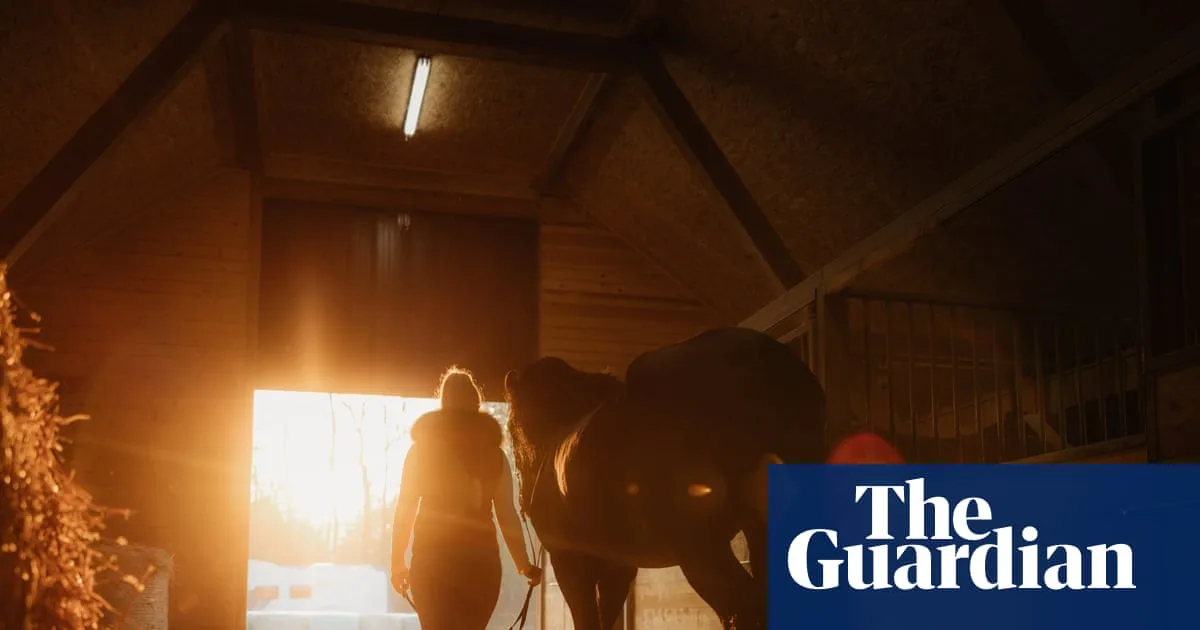
The mare lives 'like a fairytale princess' at the end of a train line, but there is nothing magical about her—she is an ordinary, middle-aged horse. The narrator remains a clumsy rider, spending more time on stable chores than riding. A friend remarks, 'So you pay to clean up someone else's horse's shit?' Yet the stable becomes a mythical realm, populated by women engaged in ritualistic work. The horses are enigmatic, massive yet dependent, and the narrator reflects on the size difference: 'if I got on my hands and knees, I could be her foal.' The mare's feelings remain unknowable.
Haworth-Booth's prose is composed of moments and impressions rather than linear narrative, capturing the everyday illumination of love and care. Mare is a profound story about the depths of human-animal connection and the search for meaning in the face of loss.