Britain's most haunted postcode is ME1, covering Rochester, Burham, and Wouldham in Kent, according to research by author Dr Paul Lee, who has documented more than 5,500 reported hauntings across the country. Paranormal experiences have been recorded at over 50 locations in these Medway communities, and all of them feature in an interactive map revealing the nation's most haunted spots.
Reports range from everyday oddities such as phantom tobacco smoke and unexplained footsteps to intense poltergeist claims involving flying plates and airborne kitchen utensils. The map also includes spectral soldiers, Victorian children in shopfronts, and phantom kitchen saboteurs.
Rochester's Haunted Venues
Among the documented locations is the former Royal Function Rooms, an 18th-century theatre that closed in 2022. The venue was long said to be haunted by three separate spectres: an aggressive figure in an 18th-century waistcoat who allegedly ran across the stage overturning furniture, a second shouting phantom, and a woman in a bonnet reported to rattle door handles in the basement.
At the historic St Bartholomew's Hospital site nearby, records describe chairs flying across consulting rooms, doctors' coats being moved by unseen hands, and lights flicking on and off unassisted. The site has also accumulated folklore of phantom children, an old woman walking through walls, and a talkative Cavalier.
York's Ghostly Tales
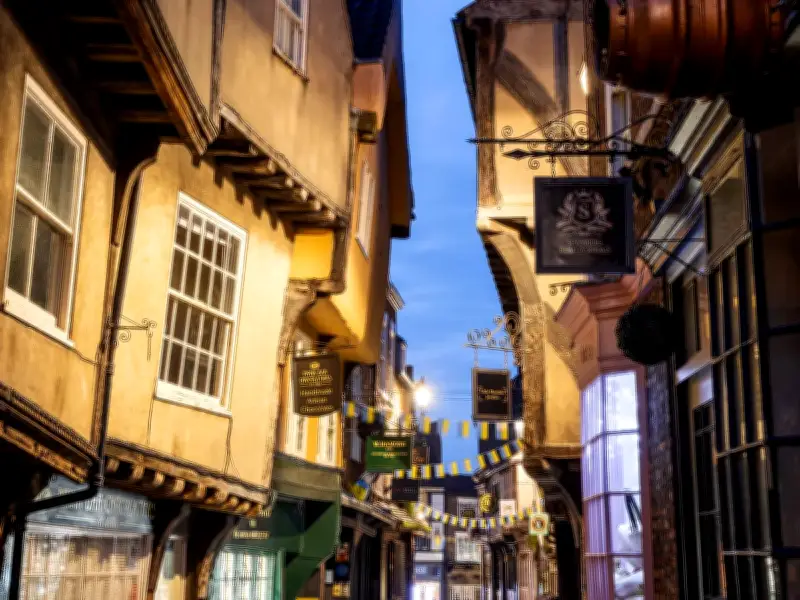
York City Centre (YO1) is the UK's second most haunted postcode, known for its ghost walks. One of the city's most chilling tales centres on St Saviour Church, where a "grey lady" is reputed to walk at midnight. Local folklore tells of an amateur ghost hunter who spent the night locked inside the church, only to be discovered the following morning either dead with his face a "mask of terror" or scared out of his senses, depending on the retelling.
Other York apparitions include a phantom mourner who reportedly appears at funerals to stare at coffins, and "Mad Alice" who haunts the lane named in her honour.
Research and Findings
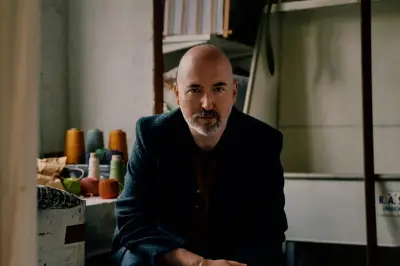
Since Dr Lee started his research, a handful of haunted buildings he documented no longer exist, though the spooks described may still linger. All descriptions of paranormal activity on the map come from his meticulous research, which in many cases includes interviews with witnesses and his own investigations, during which he has visited numerous locations and trawled through newspaper archives.
Dr Lee said: "Of course, some of the reports in the database could be hoaxes or urban legends; there is no way to know in many cases." He holds a doctorate in nuclear physics and began compiling the national register in 2015, continuing to update the archive. His recent investigations include the Syderstone Ghost, a series of unexplained night-time disturbances in a Norfolk village recently featured in Fortean Times.
Dr Lee has published his findings in several volumes, including the UK Haunted Hospitality series, which investigates more than 2,000 haunted pubs, hotels, and eateries across the country. More information about his research is available on his website, www.paullee.com/ghosts.