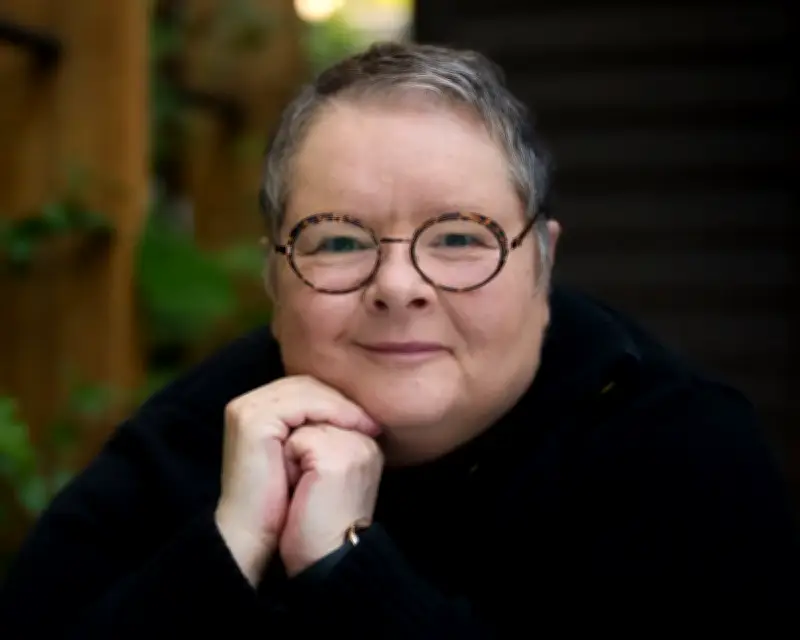
Magda Szubanski's latest memoir, I Can't Tell You But I Will, turns her attention from her father to her mother, Margaret, and intertwines her mother's decline with her public activism for marriage equality. The book offers a deeply personal and anti-celebrity look at her life, marked by emotional precision and a painful but earned benediction.
A shift from Reckoning to a mother's story
Following her 2015 memoir Reckoning, which dealt with her father and the scars of war, Szubanski's new book focuses on her mother, a flinty Scotswoman with a mean streak. The memoir explores mother-daughter dynamics with brutal honesty, not shying away from the ways mothers can get under the skin, while also portraying Margaret as complex and loving.
Faith, sexuality, and activism
A key theme is Szubanski's religion. Raised Catholic, she struggled with the strictures of Christianity but found comfort in its rituals and sense of tribalism. Being a lesbian made this relationship with the church untenable, and witnessing friends in same-sex relationships led her to realise the dogma was wrong. She writes about her first sexual experience with a woman: "I knew, despite what I had been told my whole life, that this was not an unnatural act. That while it might be a sin against the Church it was definitely not a sin against nature."
The memoir entwines two narrative arcs: Margaret's decline and death, and Szubanski's activism in the marriage equality fight. It reveals the doubt and insecurity she felt as the voice of the Yes campaign, and the hatred and vitriol she endured, despite her status as one of Australia's most beloved people. She writes: "This is an ideological gun fight, and I have come armed with a butter knife. My 'popularity'." Her reticence about activism stems from her time working at a women's refuge, where she experienced the consequences of domestic violence and the internal politics of the feminist collective.
An anti-celebrity memoir
Szubanski's return to activism is told without triumphalism, but with a weary sense of accomplishment. Contrasting this is her experience caring for her mother at the end of her life, a portrait of loving imperfectly but passionately. The memoir suggests Szubanski is exorcising the spirits of her parents to better understand herself, writing: "Both my parents had such powerful personalities that I had always needed to fight for psychic space, even within my own head."
Two things are touched on briefly: the Indigenous voice to parliament vote and its racism, and her cancer diagnosis last year, which she doesn't discuss much even while in remission. The book is arguably not a celebrity memoir at all, with famous names not emphasised and backstage stories absent. Instead, it highlights the grit of anonymous people dedicated to "unhistoric acts". I Can't Tell You But I Will is out now in Australia (Text Publishing, $55), with wider release to follow.