Loss Protocol Review: A Visionary Eco-Thriller Set in Climate-Ravaged Britain
In Paul McAuley's compelling new novel Loss Protocol, readers are transported approximately fifty years into the future to a Britain profoundly scarred by the escalating effects of climate change. The narrative centres on Marc Winters, a ranger who maintains a quiet existence tending to a nature reserve in Essex. His peaceful life is abruptly shattered when counter-terrorism officers arrive to interrogate him about events from eight years prior, involving his sister Izzy and a mysterious cult known as the "deep dreamers."
The Enigmatic Cult and Psychotropic Visions
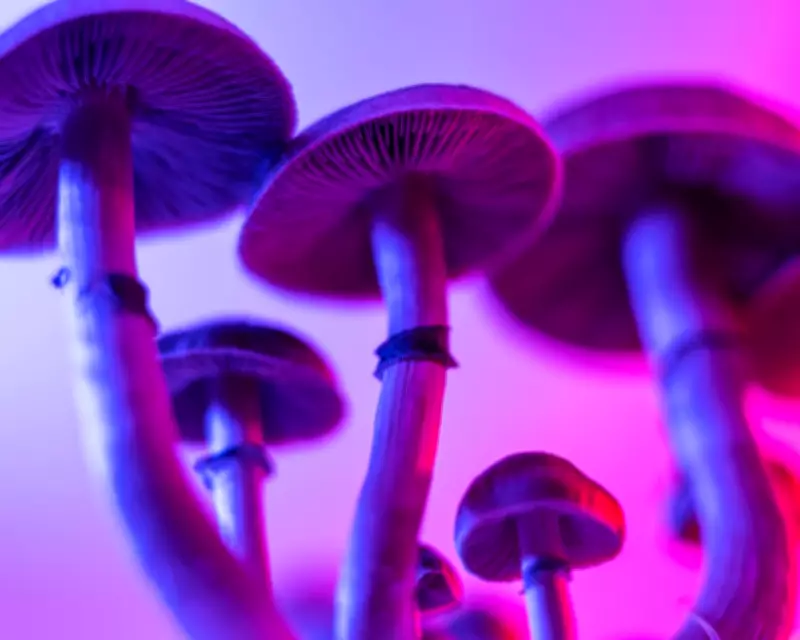
Marc had scarcely been aware of this obscure group, whose members believed they could alter reality through a form of mental time travel facilitated by the consumption of psychotropic mushrooms. The cult met a tragic end when they collectively self-immolated. Now, both government agents and surviving deep dreamers are convinced that Izzy must have passed crucial information to her brother before her death, whether Marc is consciously aware of it or not. Completely oblivious to the existential peril he now faces, Marc embarks on a personal investigation to uncover the truth.
McAuley's prose is exquisitely crafted, masterfully weaving together meticulous observations of the natural world with sequences of hallucinogenic dreams and a truly mind-boggling speculative premise. This fusion creates an eco-thriller that stands apart from conventional genre offerings, showcasing the author's status as one of Britain's most accomplished science fiction writers.

Additional Notable Releases in Speculative Fiction
Night Babies by Lucie McKnight Hardy presents a sophisticated and chilling tale that operates effectively as both supernatural and psychological horror. Following a devastating flood that damages paintings for her debut solo exhibition, artist Astrid seeks refuge with her friend Flora in the Brecon Beacons. Residing in an old chapel that Flora is renovating, Astrid becomes inexplicably obsessed with painting the surrounding landscape rather than salvaging her portraits.
She begins to experience disturbing phenomena: unsettling nightmares, peculiar physical sensations, missing personal items, and the appearance of dirty, child-sized handprints on the walls. As troubling facts about the chapel's history surface, it becomes clear that Astrid is not the sole victim of what seems to be a malevolent haunting. The narrative is further enriched by flashbacks to a pivotal student art trip to Florence, which strained her friendship with Flora. Astrid's internal struggles with ambition, envy, and ambivalence toward motherhood will resonate deeply with many readers.
Honeysuckle by Bar Fridman-Tell is a thoughtful and evocative fantasy debut set in an alternate reality. It reimagines the Welsh myth of Blodeuwedd, a woman created from flowers who was transformed into an owl as punishment for betrayal. In this world, a Blodeuwedd is a magical "construct" analogous to artificial intelligence.
The story follows young Rory, who lives in an isolated part of Wales and is given a Blodeuwedd named Daye as his companion. She becomes his closest friend, but her existence is tied to the seasons; she perishes with the vegetation unless her body is remade from fresh flora. Rory learns to reconstruct her quarterly, and as a teenager, he modifies her form to sexualise her. He believes their love is mutual, slowly realising that all constructs are inherently bound to obey. Chapters from Daye's perspective reveal her evolution into a complex non-human entity, highlighting the growing division between them in this poignant narrative.
Japanese Gothic by Kylie Lee Baker offers a blood-soaked and masterful blend of horror and mystery. In 2026, Lee flees his American college to hide at his father's house in Japan, attempting to evade a murder charge. He recalls killing his roommate but cannot remember the motive or the disposal of the body. Blaming sedative misuse for his memory lapses, he also grapples with the unresolved disappearance of his mother during a family holiday in Cambodia.

In 1877, the same Japanese house is home to Sen, a young woman trained in Samurai skills by her father. Their family is marked for death due to his refusal to accept the abolition of the Samurai class. A mysterious, seemingly purposeless door connects these two timelines, bringing Lee and Sen together and creating the possibility that they might aid each other across time. This novel solidifies Baker's reputation following her previous work, Bat Eater.
These four releases collectively demonstrate the vibrant and diverse landscape of contemporary speculative fiction, spanning eco-thrillers, psychological horror, mythic fantasy, and gothic mystery. Each book offers unique explorations of human and non-human experiences, set against richly imagined backdrops that challenge and captivate readers.