Lord of the Flies: A Timeless Masterpiece Reimagined for Television
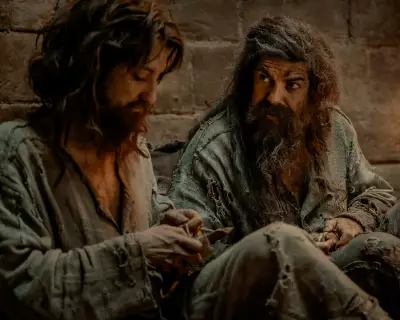
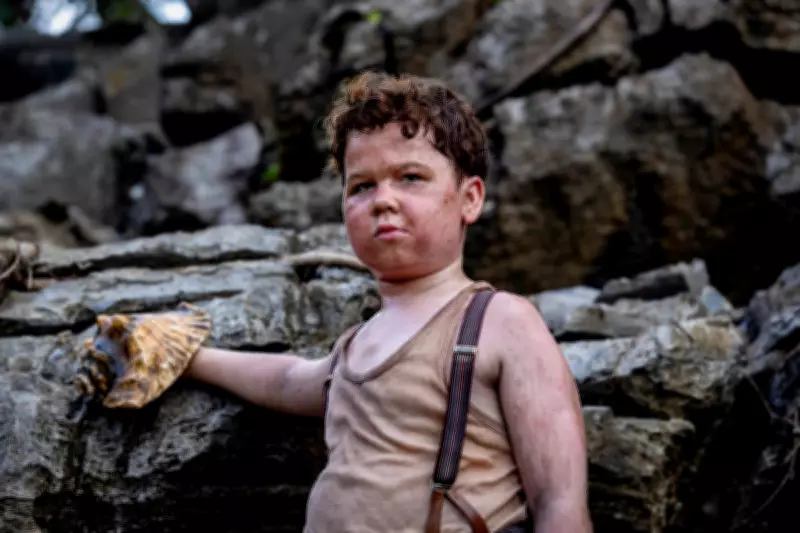
William Golding's seminal 1954 novel Lord of the Flies has long been a cornerstone of global education, its title synonymous with societal collapse. As a new four-part BBC series, crafted by Adolescence screenwriter Jack Thorne, premieres, the enduring power of this chilling narrative is thrust back into the spotlight. The adaptation marks the first time Golding's work has been translated for the small screen, arriving at a moment when its warnings feel particularly prescient.
From Slush Pile to Global Phenomenon
The novel's journey to publication is a tale of perseverance. An unknown author at 42, Golding saw his manuscript, originally titled Strangers from Within, rejected by 21 publishers. It was rescued from Faber's slush pile by editor Charles Monteith, who saw potential where others saw "absurd and uninteresting fantasy." Monteith's editorial guidance was crucial; he suggested removing the initial chapter about nuclear evacuation and starting with the iconic meeting between Piggy and Ralph on the desert island. The title itself was not Golding's first choice—alternatives like A Cry of Children were passed over in favor of Lord of the Flies, a biblical reference to Beelzebub proposed by director Alan Pringle.
Since its September 1954 release, the book has sold over 25 million copies worldwide. It has spawned numerous film adaptations and become a cultural touchstone, its name invoked to describe everything from political discord to reality TV conflicts. The novel's exploration of feral behavior and lawlessness continues to resonate, making it a staple in school curricula across the globe.

Golding's Influences and Enduring Legacy
Golding's stark portrayal of boyhood was shaped by his experiences as a teacher at Bishop Wordsworth's School in Salisbury, where he was known as "Scruff" for his unkempt appearance. His daughter, Judy Golding Carver, recalled an incident where he divided a class into groups to fight at a Neolithic hill fort, an experiment that nearly turned deadly. This firsthand observation of youthful aggression informed the novel's brutal realism.
The book also bears the scars of global conflict. Golding served as a Royal Navy lieutenant during World War II, witnessing atrocities that fueled his writing. Penned during the Cold War, Lord of the Flies uses the stranded boys as a microcosm of a society teetering on the brink of nuclear annihilation. As Golding noted, the story examines "scaled down society," probing the inevitability of violence when rules dissolve.
Characters and Themes: Civilization Versus Savagery
At its core, the novel is a battle for ascendancy between Ralph, who embodies order and democracy, and Jack Merridew, who embraces primal savagery. The most tragic figure is Piggy, the asthmatic, overweight boy whose real name remains unknown. Dehumanized as a "bag of fat," he becomes a target for cruelty, highlighting the brutal dynamics of bullying. Golding's portrayal suggests that in the absence of authority, such victimization is not just common but a default relationship among youths.
Simon, the shy boy who understands that the feared "Beast" is a product of imagination, is murdered for speaking truth—a fate Golding later linked to societal resistance against uncomfortable truths. The novel's imagery, from the fly-infested sow's head to the conch shell, remains among literature's most potent symbols of decay and order.
Cultural Impact and Modern Relevance
Literary giants have praised the book's power. Ian McEwan described it as thrilling "with all the power a fiction can have," while Stephen King, in a 2024 foreword, hailed it as a work that "blew me away." For Thorne, who read the novel with his mother as a boy, it "left a scar on me like no other." His adaptation coincides with a resurgence of populism, which he sees mirrored in Golding's exploration of societal breakdown.

Despite its bleak narrative—where two children are killed and survivors are met with emotional coldness from a rescuing naval officer—Golding considered himself an optimist. He believed the story shows humanity's attempts at democracy, as seen in Piggy and Simon's defiance of misguided authority. The novel's warning that "anything human will break given sufficient strain" feels acutely relevant in today's volatile climate.
A Haunting Conclusion for a New Generation
While the 1963 film adaptation by Peter Brook shocked audiences, Thorne's series may struggle to impact a generation desensitized by real-world violence. Yet, as Judy Golding Carver noted, her father saw the true subject as "grief, grief, grief." The image of Simon alone in the jungle, staring at the sow's head with "half-shut eyes dim with the infinite cynicism of adult life," remains as haunting today as it was seven decades ago. Lord of the Flies endures not just as a story of savagery, but as a profound meditation on the fragility of civilization and the complexities of human nature.