Thomas Jefferson's Racial Contradictions Laid Bare in New Historical Reader
Historian Annette Gordon-Reed, a Pulitzer Prize-winning scholar, has released a new book titled Jefferson on Race: A Reader, which compiles the former US president's personal and public writings on race. This collection allows Jefferson to speak for himself, offering a raw look at his views amidst the backdrop of slavery that defined his life from birth to death.
Slavery as a Constant Presence in Jefferson's Life
Thomas Jefferson, the third US president and a founding father, was born into a slave-owning family in Virginia, where slavery was foundational to society. Evidence suggests his earliest care came from a Black wet nurse, as his mother did not breastfeed. His first memory, recounted to grandchildren, involved being carried on a pillow by an enslaved man during a 50-mile journey.
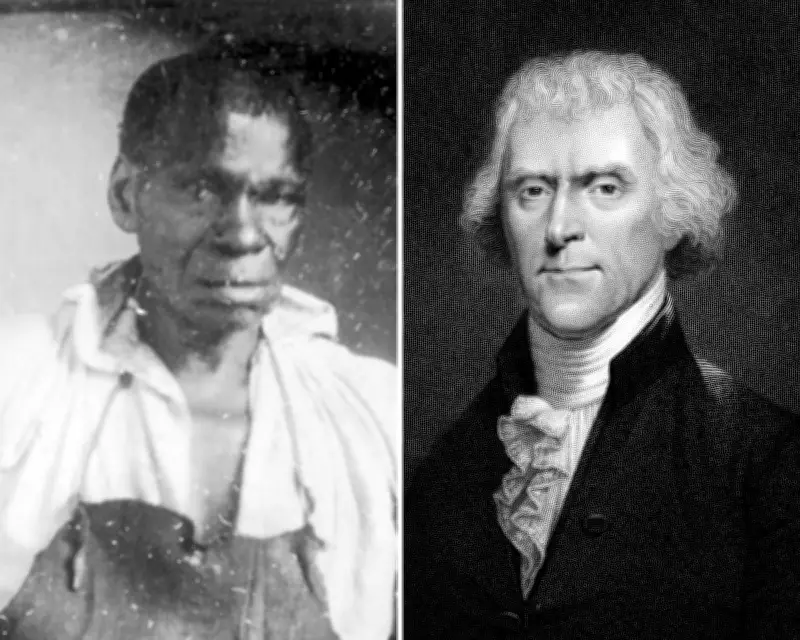
Jefferson owned more than 610 enslaved individuals throughout his lifetime. In his final moments, an enslaved man, John Hemmings, built his casket, symbolizing how bondage bookended his existence. This omnipresence of slavery creates a stark contradiction with his Enlightenment ideals of liberty, a tension that scholars have long grappled with.

Insights from Annette Gordon-Reed's Interview
In an interview with The Guardian, Gordon-Reed discussed what this collection adds to existing literature. She emphasized that it provides a complete picture of race as lived in Jefferson's time, including his dealings with Black and Native American people. The book reveals unconscious biases and conscious writings, offering a total view of his interactions with non-white individuals.
Gordon-Reed noted that Jefferson saw himself as a liberal and progressive on slavery and race, often criticizing others' prejudices while seemingly unaware of his own. His contradictions are evident: he penned "all men are born free" yet enslaved hundreds. However, he also displayed unexpected moments of respect in informal dealings with free African Americans, which surprised Gordon-Reed.
Jefferson's Unique Perspective Among Founders
Unlike other founders such as George Washington or James Madison, Jefferson extensively documented his thoughts on race and foresaw long-term racial conflicts in America. He believed a multiracial society would inevitably lead to strife if emancipation occurred, a view not shared by his contemporaries. This forward-thinking, albeit pessimistic, outlook makes his writings particularly relevant today.
Legacy and Modern Implications
As America approaches its 250th anniversary, Gordon-Reed speculated on Jefferson's potential reactions to modern society. He would likely marvel at scientific advancements but struggle with gender equality, given his traditional views on women's roles. On race, if he perceived public support for integration, he might accept it, though his actions in life betrayed a lack of personal commitment to change.
Gordon-Reed argued that Jefferson knew slavery was wrong but lacked the emotional strength to abolish it, fearing it would dissolve the union he helped create. He hoped future generations would end slavery, much as they had achieved independence, a stance she finds unsatisfactory but historically telling.
Omissions and Reflections
One notable omission from the collection is the Northwest Ordinance of 1784, which Jefferson drafted to prevent slavery's spread into new territories. This provision, later incorporated into the 1787 ordinance, underscored his anti-slavery sentiments in policy, highlighting another layer of his complex legacy.
Overall, Jefferson on Race: A Reader challenges readers to confront the jumble of attitudes that defined one of America's most enigmatic figures, reminding us that history is often a tapestry of contradiction and compromise.