Jan Morris: The Trans Pioneer with No Interest in Gender Issues
The acclaimed travel writer and journalist Jan Morris authored a groundbreaking memoir about her gender transition titled ‘Conundrum’. A second biography published since her death in 2020 suggests this was an apt title for an enigmatic and eccentric English writer, according to Robert McCrum.
A Life in Two Parts
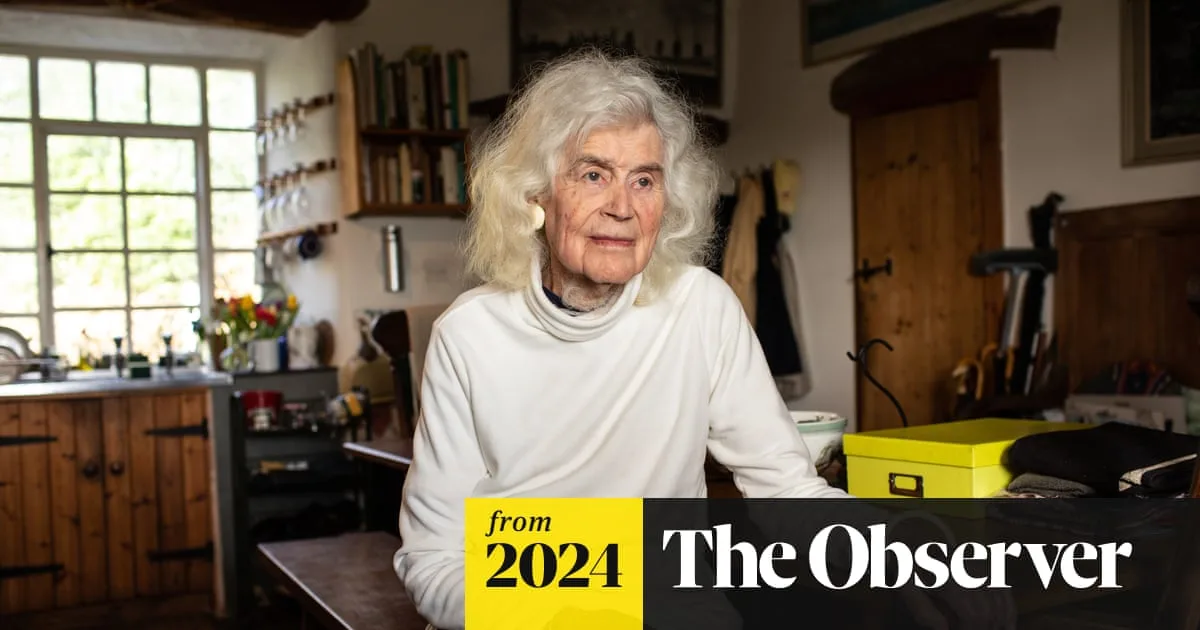
Welsh historian and travel writer Jan Morris, pictured in 1988, lived a life divided into two distinct phases. The first, from 1926 to 1971, chronicled James Morris—empire child, soldier, and reporter. Born near Bristol in 1926, Morris described herself as having witnessed more places and events in the twentieth century than anyone, "first as a man, then as a woman."
Morris enlisted underage in 1943 and thrived in the army, described as virile, popular, and exceptionally good-looking. After the war, she transitioned to journalism at The Times, where she scored the scoop of her first life as correspondent attached to Edmund Hillary's historic 1953 Everest expedition.
The Transition and Its Aftermath
From 1970 to 1974, everything was in flux: sex, profession, and marriage. In 1972, Morris traveled to Casablanca for gender reassignment surgery with French surgeon Georges Burou. Having found it "crueller and crueller to present myself as a male," Jan was released from self-hate.
Her bestselling memoir Conundrum documented this transformation, making Morris her own scoop. Yet her publisher Faber was disappointed by the book's "purple" prose, while Morris herself reveled in her rebirth as a woman.
Family Costs and Literary Reception
Morris's family—wife Elizabeth ("Tuppence") and children Mark, Henry, Twm Morys, and Suki—paid a fearful price for her transition. The Jan who was no longer a dad or husband morphed into what biographer Sara Wheeler describes as "a monster of vanity and self-will," cold and cruel toward her nearest and dearest.
The literary press engaged with mixed reactions. While Germaine Greer declared that "you cannot help liking Jan," American writer Nora Ephron executed a ruthless evisceration of Conundrum as "mawkish and embarrassing." Ephron concluded that "only a man could be so wrong about what it means to be a woman."
Defining a Writer's Identity
Morris struggled to define her literary identity post-transition. Was she a belle-lettrist, reporter, travel writer, or memoirist? There would never be a definitive answer about genre—or gender. Wheeler writes that Jan/James became "both," a sentimental hybrid: Jan, a Welsh person of different gender.
Despite being hailed as a trans pioneer, gender issues left Morris cold. When Granta offered substantial money for Conundrum: The Sequel, she hesitated then refused. For the rest of her long life, she became devoted to a bizarre identification with Wales and Welshness, her answer to unresolved contradictions.
Legacy of Eccentricity
In later years, Morris affected ambivalence about her story, pooh-poohing biographies while collaborating on memoirs. She described her Conundrum story as "just a mystery," calling it "an egotistical book. Take it or leave it."
Wheeler's biography captures Morris's obsessive scribbling, outrageous vanity, and fascinating oddness without allowing her whimsical old age to cloud final judgement. This exemplary Life portrays a strange English writer of rare gifts and peculiar greatness—an eccentric whose life became an allegory of limbo, always a little bit "dotty."
'Jan Morris: A Life' by Sara Wheeler is published by Faber on 9 April.