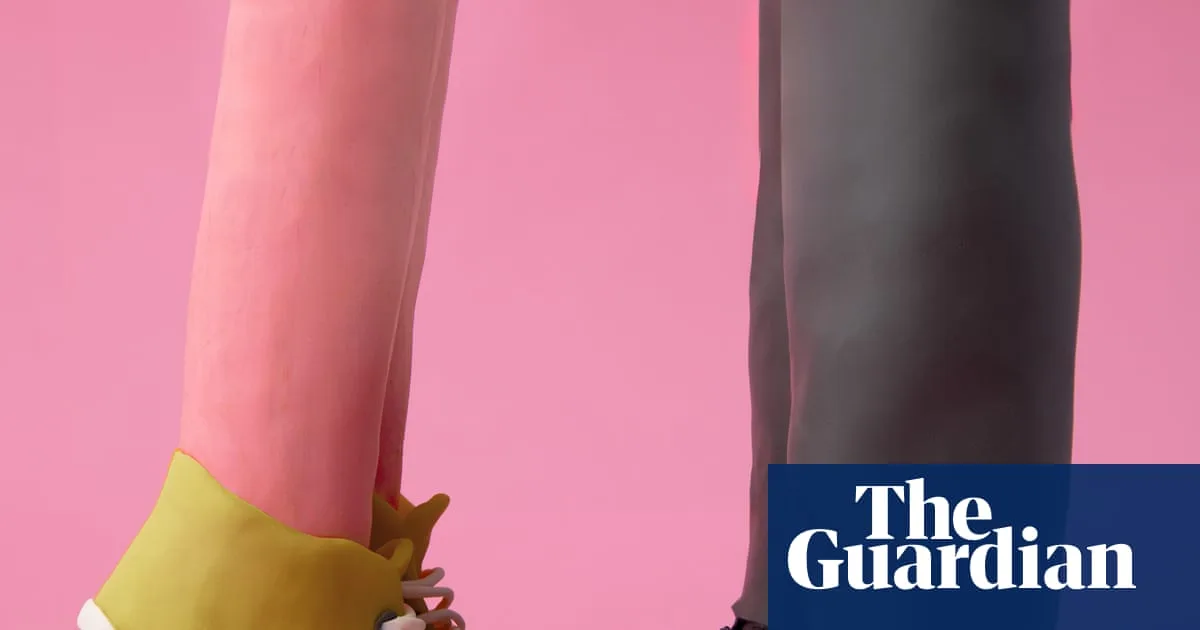
Romance fiction has long traded in familiar patterns, but in recent years a specific vocabulary of tropes has come to dominate the genre. Phrases such as “opposites attract”, “fake dating” and “forced proximity” now appear across book blurbs, social media posts and cover stickers, signalling to readers exactly what kind of story awaits before they turn a single page.
Lucy Stewart, commissioning editor for romance at Hodder, says tropes have become an essential shorthand. “As soon as I say ‘enemies-to-lovers’ in an acquisition meeting, I’ve already communicated so much to a room full of people in just three words: I’ve told them it’s a romcom, what the hook is and where it sits in the market.”
Tropes have evolved over time. The “hot billionaire” archetype has shifted from a princely figure to a more reluctant and dangerous one, while classic scenarios like “there’s only one bed” have spawned modern variations such as “oh no, now there are two beds”. Some writers question the limits of this categorisation. Author Rainbow Rowell recently asked on Instagram: “Is love itself a trope? Is motherhood? Is marriage the same as ‘only one bed’?”
Romance writer Laura Wood argues that tropes are nothing new. “Anything you read is made of tropes. Shakespeare loved tropes. So did Dickens, Austen – anyone you can think of.” The idea that stories are built from recurring archetypes was popularised by Christopher Booker’s The Seven Basic Plots and draws on Carl Jung’s theory of universal psychological patterns. Yet not all readers welcome the marketing focus. Eleanor Vendrell, a romance reader and writer, said: “I completely despair at the way books are reduced to their tropes, as if a menu of characteristics is in any way representative of a story.”
With more books published and accessible than ever before, tropes offer a practical way to navigate an overwhelming market. Even as debates continue about whether labels such as “MLM” (men loving men) describe a trope or simply represent queerness, the pull of a well-chosen tag remains strong. As one romance reader put it: “Tropes might make me pick up a book, but I’ll stay for the story.”